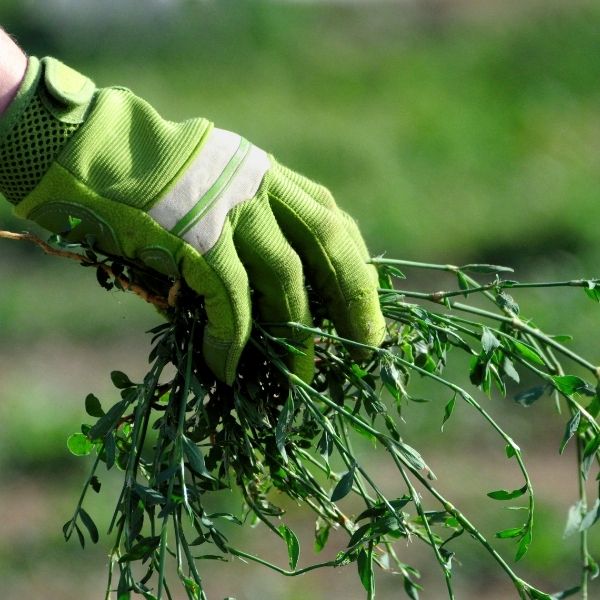
With warm weather and increased moisture, weeds grow rapidly and can quickly take over beds. Regularly remove them before they set seed and consider mulching to suppress new growth.
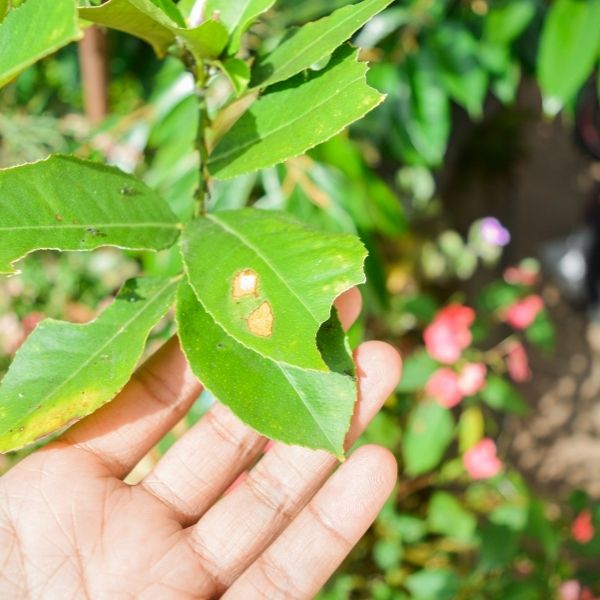
Spring growth attracts pests such as aphids, whitefly, thrips and red spider mites. Inspect plants regularly, remove affected leaves if needed and seek advice on safe control methods to keep infestations under control.
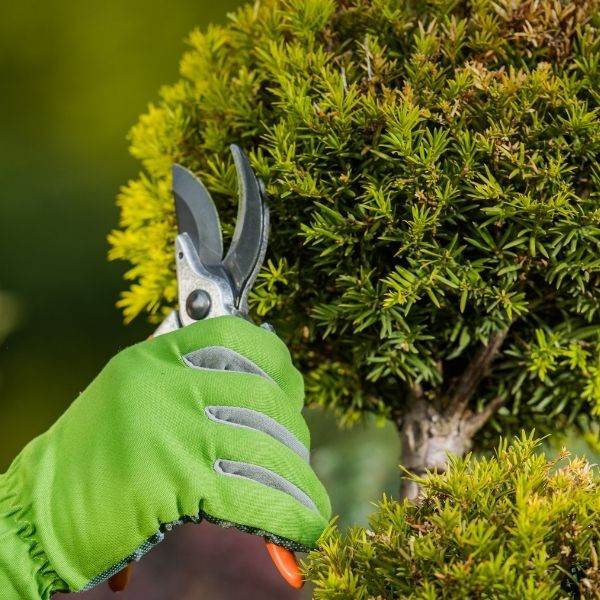
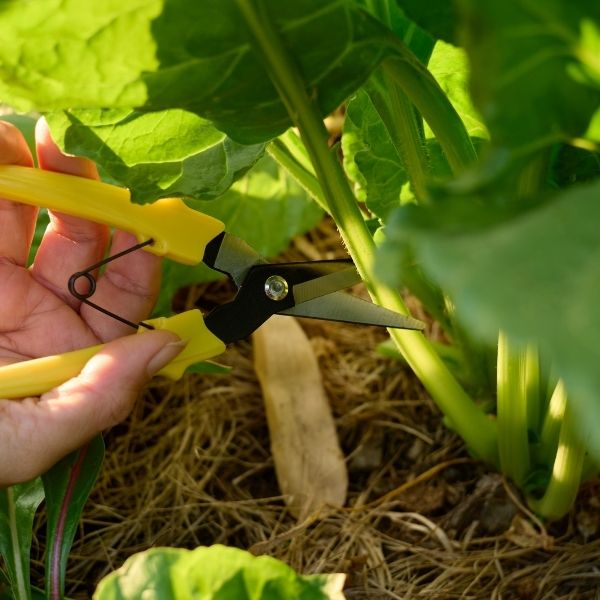
Trim spring-flowering shrubs after they finish blooming and shape hedges, roses and topiaries. Remove any dead or damaged wood to encourage healthy new growth.
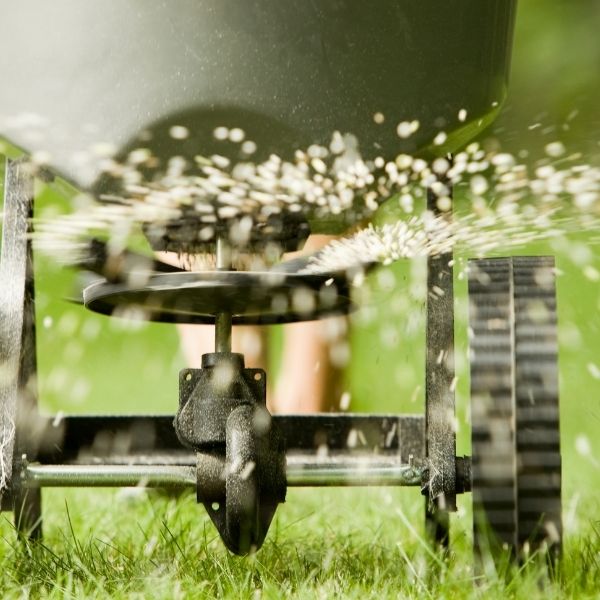
Plants are in active growth, so apply a balanced fertiliser or compost to shrubs, perennials and vegetables. This supports flowering, fruiting and robust foliage development.
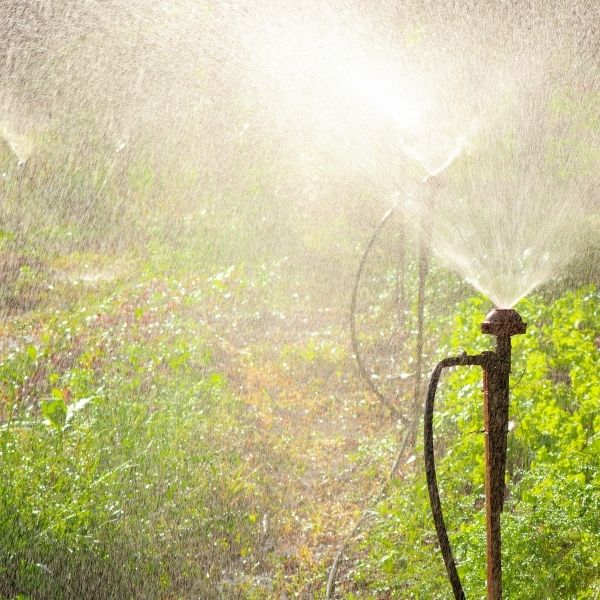
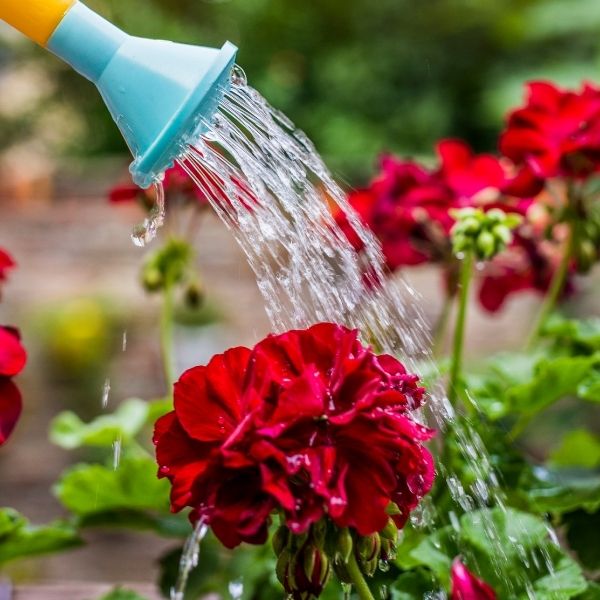
As temperatures rise, consistent watering becomes more important. Check irrigation systems, adjust schedules for warmer weather and water deeply to encourage strong root development.
Prune spring-flowering shrubs: Once shrubs like weigela, deutzia, philadelphus and forsythia have finished flowering, prune them to maintain shape and encourage fresh growth for next season.
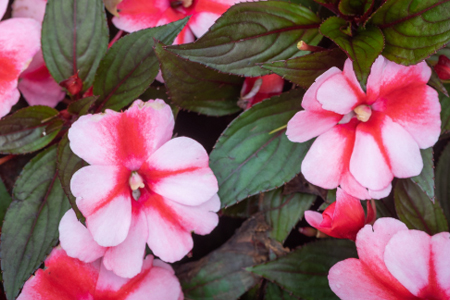
Plant perennials and fill gaps: Add new perennials to beds and borders to build long-term structure and colour. This is also a great time to fill any gaps with fresh plantings.
Feed regularly: Apply a balanced fertiliser such as 8:1:5 or 5:1:5 to flowering plants, shrubs and beds to support ongoing growth and blooms.
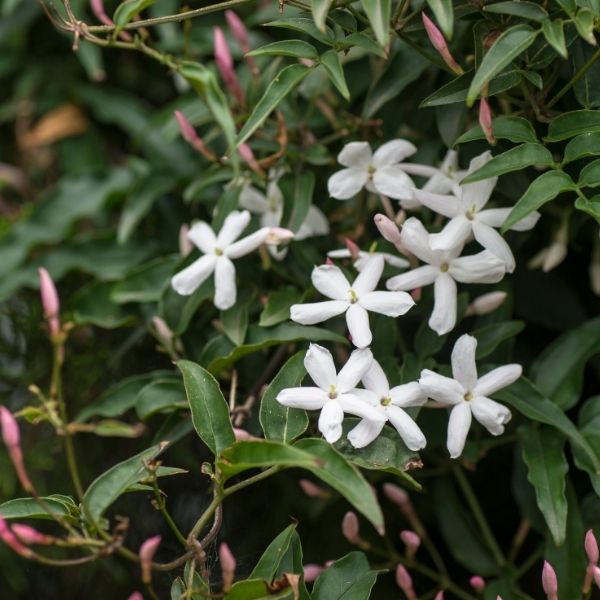
Prune back: spring flowering jasmine severely to prevent it from becoming too rampant.
Care for roses: Roses are in full bloom. Deadhead regularly. Fertilise as per normal with the regular monthly application of 8:1:5 or 5:1:5 rose fertiliser. Water deeply and regularly, especially if rainfall is scarce. Spray with insecticide, fungicide and miticide every two weeks or after each rainy period to prevent fungal infection and control insects and mites.
Look after your lawn: Feed lawns with a nitrogen-rich fertiliser and mow regularly to encourage thick, healthy growth. Address weeds early before they spread.
Keep weeds under control: Warm weather and rain encourage fast weed growth. Remove weeds frequently while they are still small.
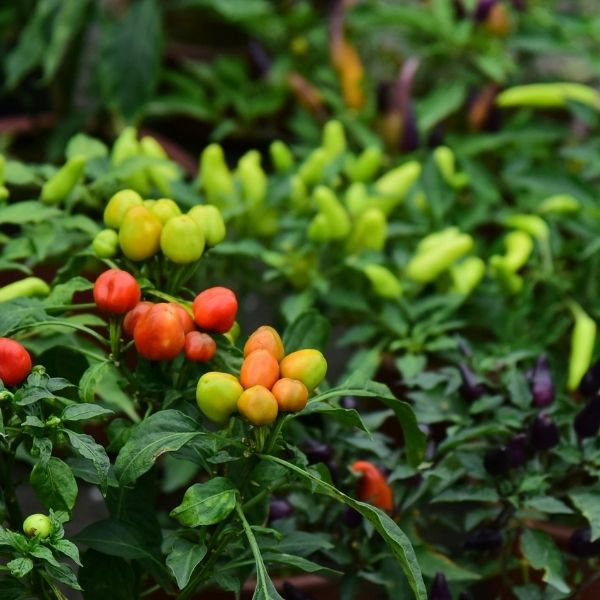
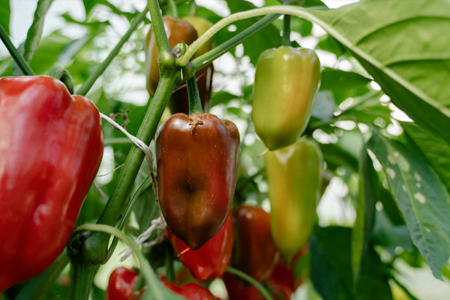
In the vegetable garden: Plant further batches of summer vegetable seedlings, especially peppers, chillies, tomatoes and egg plants. Sow more beans, maize, sweetcorn, baby marrow and pumpkin seeds.
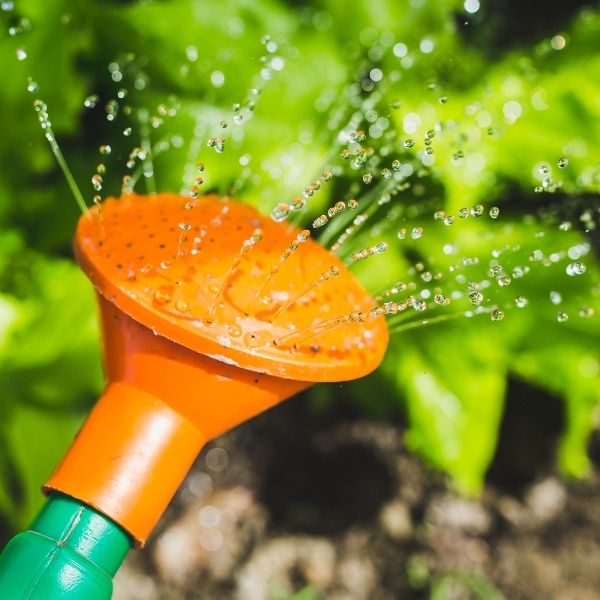
Water consistently: With increased temperatures and active growth, plants need regular watering to stay healthy and productive.

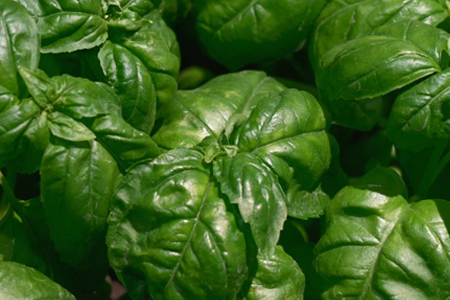
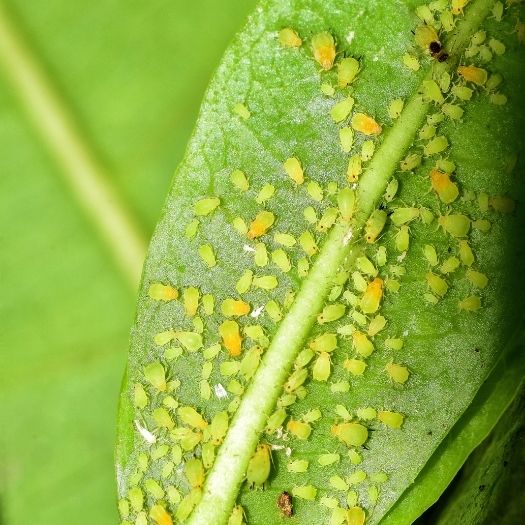
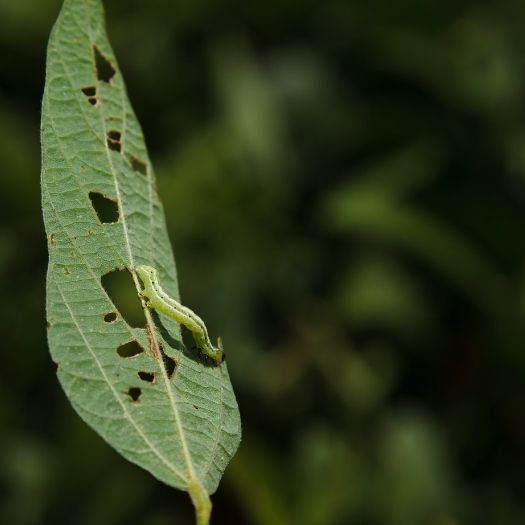
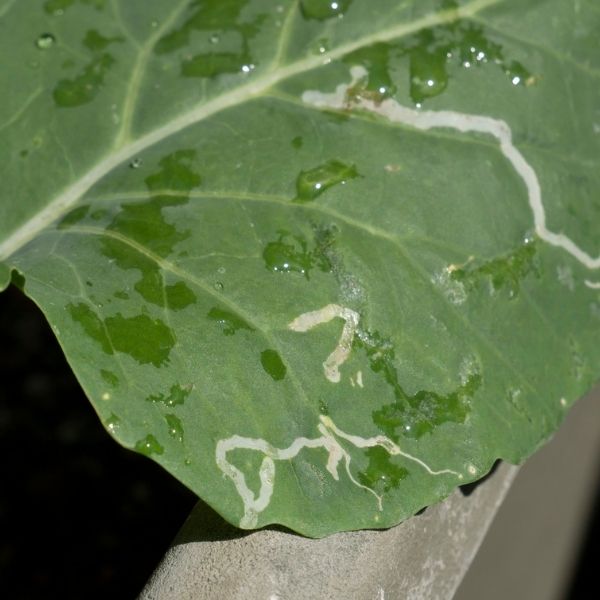


Aphids: Sap-sucking insects that multiply rapidly on soft new growth, weakening plants and spreading disease if left untreated. They can cause distorted growth and sticky honeydew, which may lead to sooty mold.
Ants: While not directly harmful to plants, ants can protect aphids and mealybugs, allowing infestations to worsen.
Bollworm: A common pest on crops like tomatoes; bollworms bore into fruit and buds, causing significant damage.
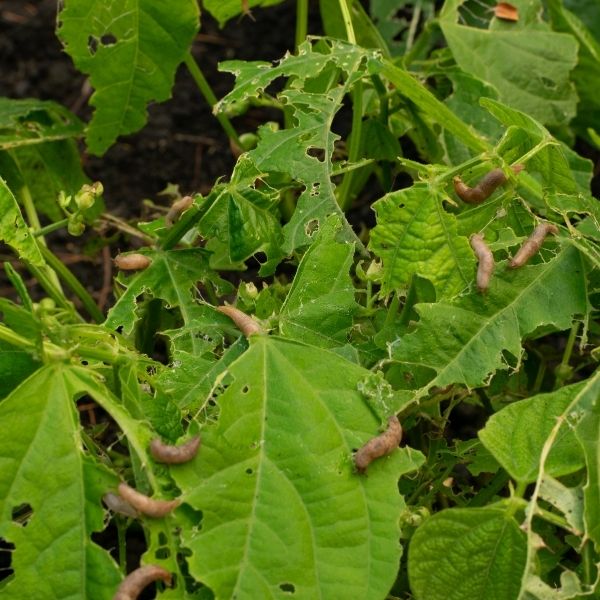
Caterpillars/Cutworms: Feed at night on young seedlings or chew leaves of vegetables and ornamentals.
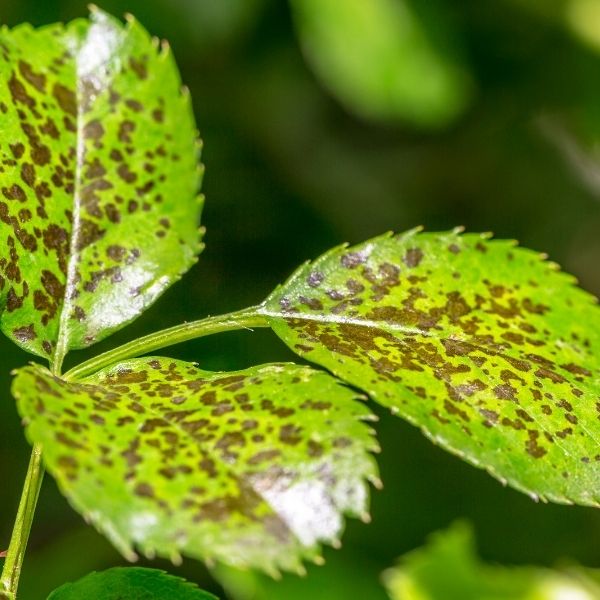
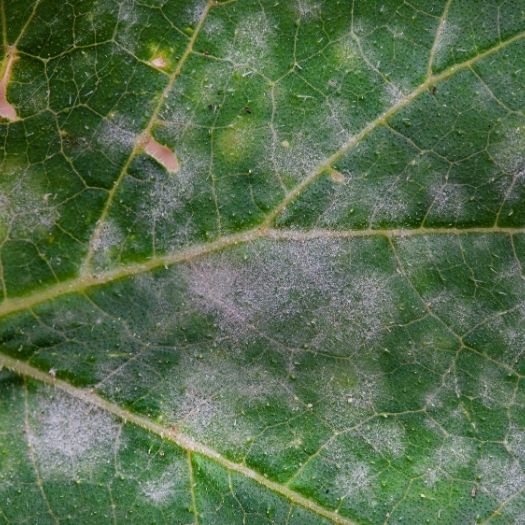
Fungal diseases: Warmth and moisture can lead to problems such as powdery mildew, black spot, and leaf spot. Ensure good airflow and avoid wetting foliage late in the day.
Leaf miners: Larvae tunnel through leaf tissue, leaving visible trails. Often found on beans, tomatoes, and ornamentals like pelargoniums.
Leaf spot (bacterial or fungal): Shows up as dark, circular spots on leaves, commonly affecting tomatoes, beans, and brassicas. Can weaken plants if severe.
Mealybugs: White, cottony insects that cluster on stems, leaves, and fruit. They can cause stunted growth and leaf yellowing.
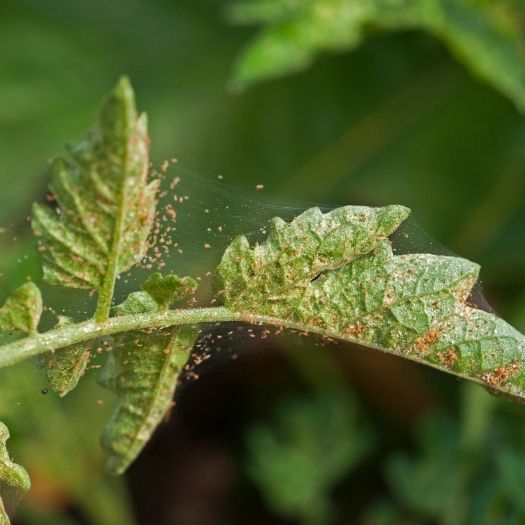
Red spider mites: Very small, red or brown mites, often seen as fine webbing on plants. Common on roses, vegetables, and ornamentals. They thrive in dry, sunny conditions but can also spike in spring with rapid plant growth.
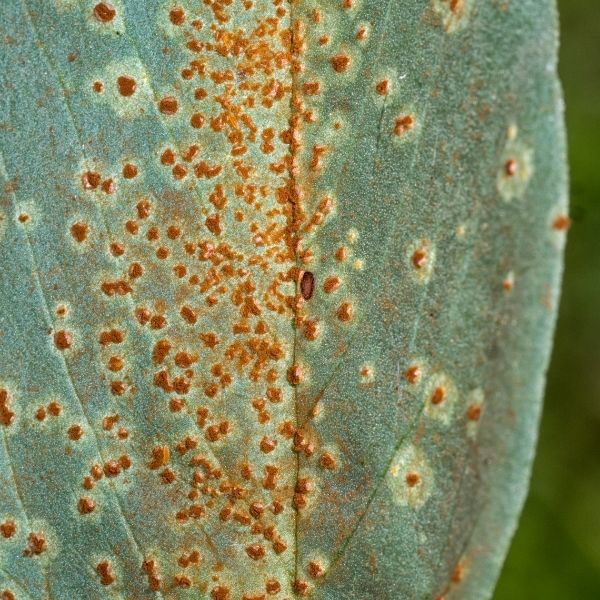
Rust: A fungal disease that produces orange or brown pustules on leaves. Common on roses and legumes.
Scale: Hard or soft scales attach to stems or leaves, sucking sap. Often overlooked until infestation is significant.
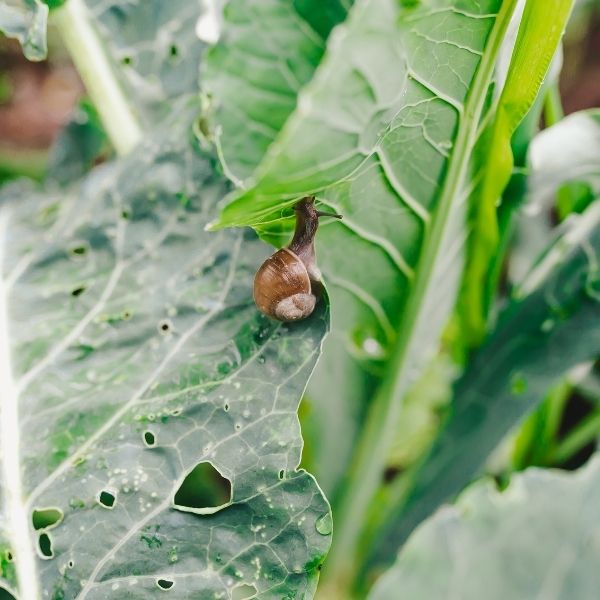
Snails and slugs: Thrive in warm, damp conditions and feed on young seedlings, soft new growth, and tender ornamental leaves. Damage often occurs overnight, leaving irregular holes or chewed edges.
Thrips: Tiny, slender insects that feed on flowers and leaves, causing silvery streaks on leaves and deformed flowers.
Weeds: Rapid growth conditions mean weeds can quickly take over beds. Remove them regularly before they spread.
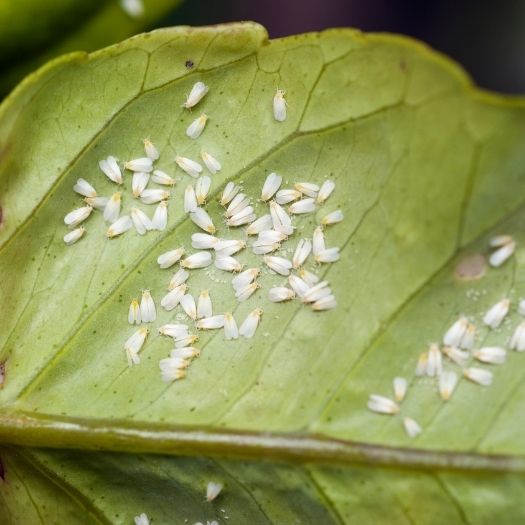
Whitefly: Tiny, white flying insects that congregate on the underside of leaves. They feed on sap, which can weaken plants and transmit viruses.