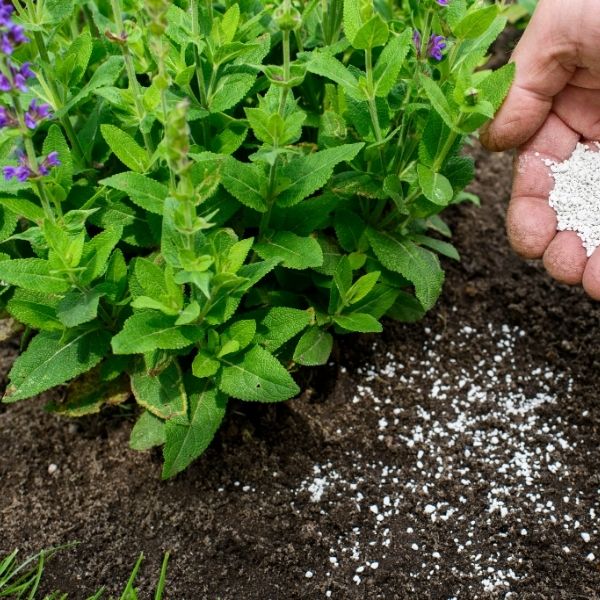
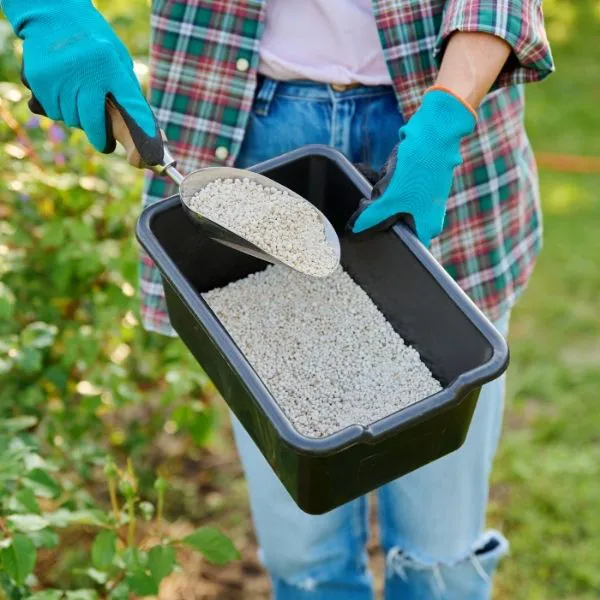
As plants begin to wake up, apply a balanced fertiliser or organic feed to nourish your entire garden and support new seasonal growth.
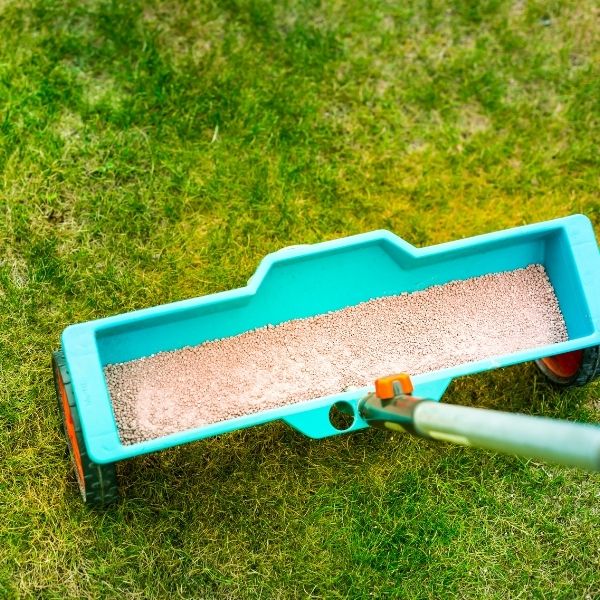
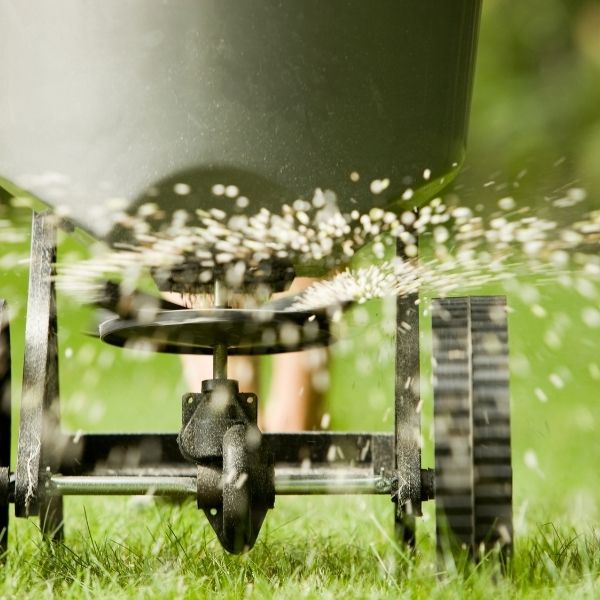
Treat and feed lawns now to encourage strong, green growth as temperatures rise. Repair any bare patches and keep weeds under control.
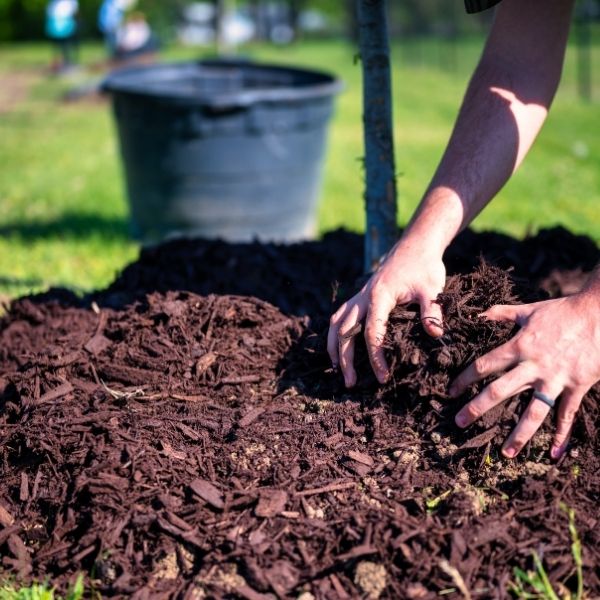
Add compost and mulch around trees and shrubs to improve soil health, retain moisture, and prepare plants for the growing season ahead.
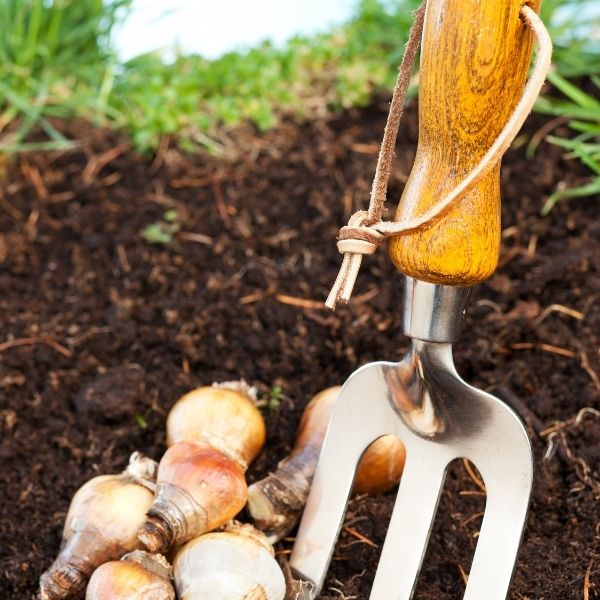
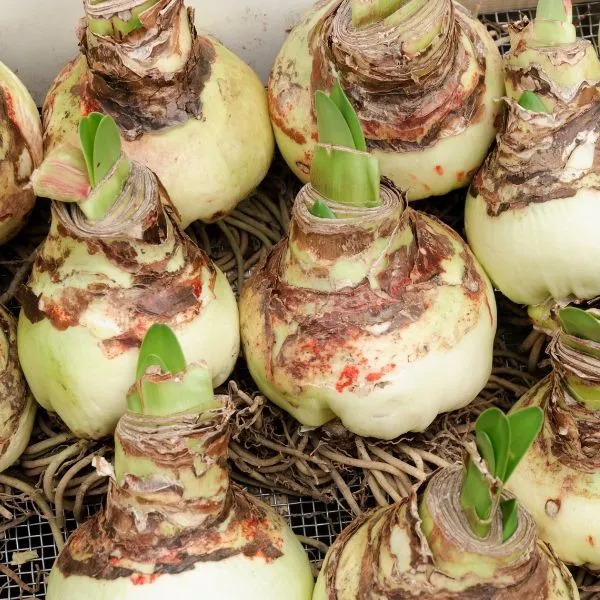
Get a head start on the season by planting summer and autumn flowering bulbs for vibrant colour in the months to come.
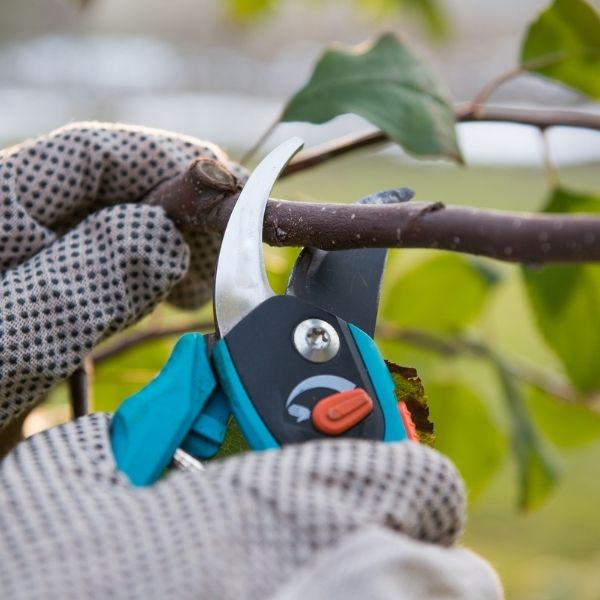
Cut back autumn and winter flowering shrubs such as leonotis, poinsettias and hypoestes. Feed and mulch after pruning to encourage fresh new growth.
Feed and nourish your whole garden: Apply a balanced fertiliser or organic feed to beds, shrubs and trees to support new growth as plants come out of dormancy.
Revive and treat your lawn: Feed your lawn to encourage fresh growth and repair any bare or patchy areas. This is also a good time to start managing weeds before they take hold.
Prune where needed: Finish pruning roses and deciduous fruit trees early in the month if you haven’t already. Cut back autumn and winter flowering shrubs to make way for new growth.
Plant summer-flowering bulbs: Plant bulbs such as dahlias, gladiolus and lilies now for a colourful display in the warmer months ahead.
Mulch and improve soil: Add compost, kraal manure or mulch to garden beds to enrich the soil, retain moisture and prepare for spring planting.
Start planting for spring: Begin planting early spring vegetables, herbs and flowering plants as conditions become more favourable.
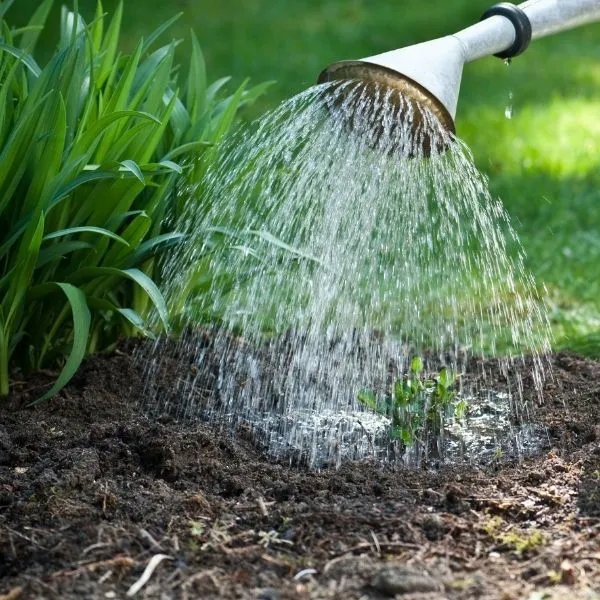
Keep an eye on watering: As temperatures rise, gradually increase watering, especially for new plantings and actively growing plants.
Aphids: These sap-sucking insects often appear on fresh new growth and can spread quickly if not controlled early.
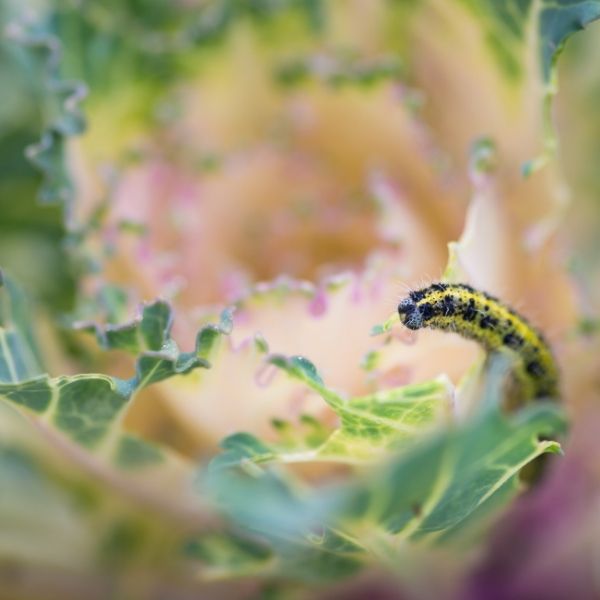
Caterpillars: As plants put on new growth, caterpillars begin feeding on leaves. Check plants regularly and treat before damage becomes severe.
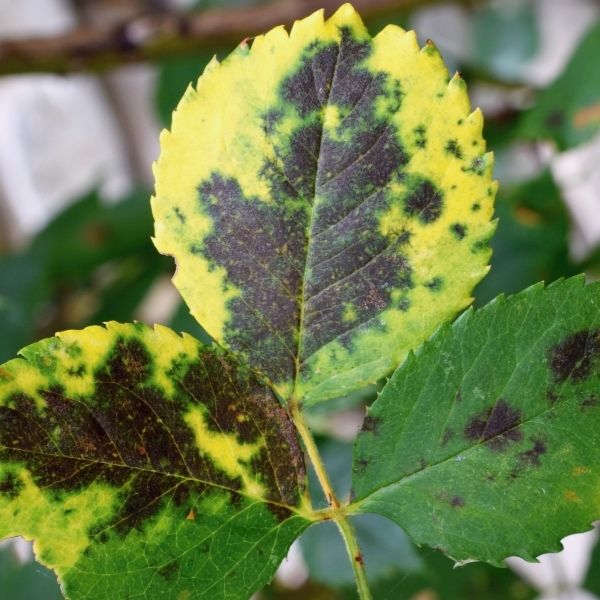
Fungal diseases: Fluctuating temperatures and early spring moisture can encourage diseases like mildew and leaf spot. Ensure good airflow and avoid overhead watering late in the day.
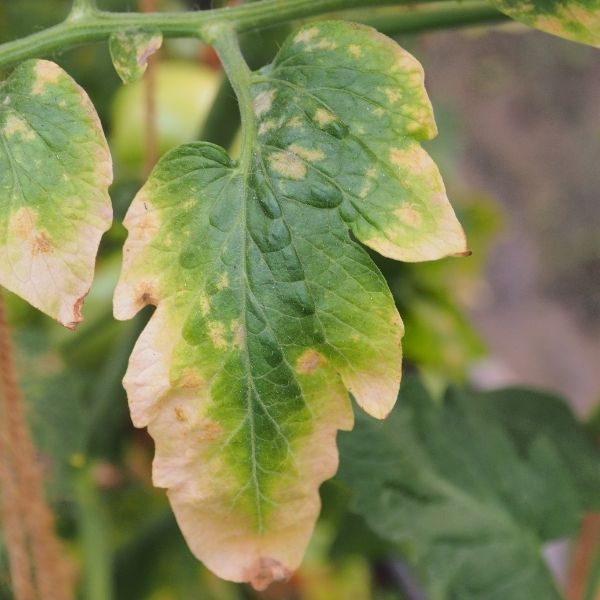
Nutrient deficiencies: As plants come out of dormancy, they need more nutrients; yellowing leaves or slow growth may indicate it’s time to feed.
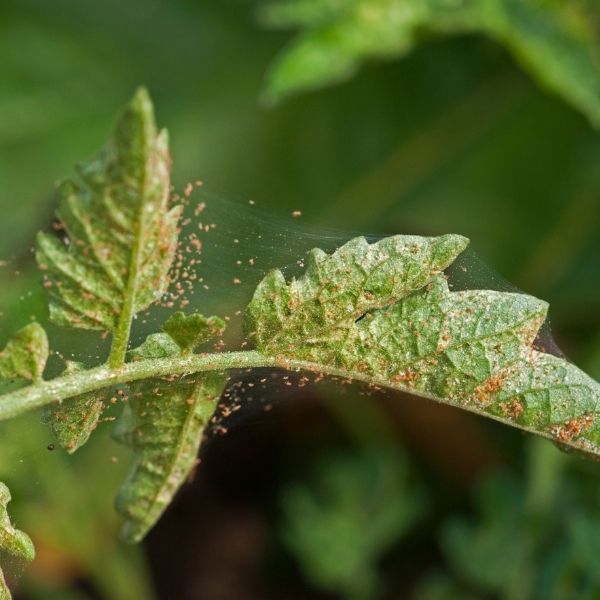
Red spider mites: With warmer, drier conditions, these tiny pests may appear, causing speckled or dusty-looking leaves.
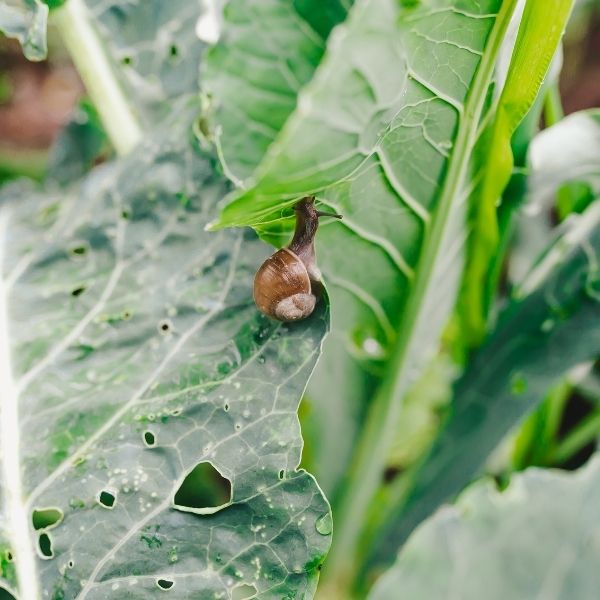
Snails and slugs: These pests return with early spring moisture, feeding on tender seedlings and soft new growth.
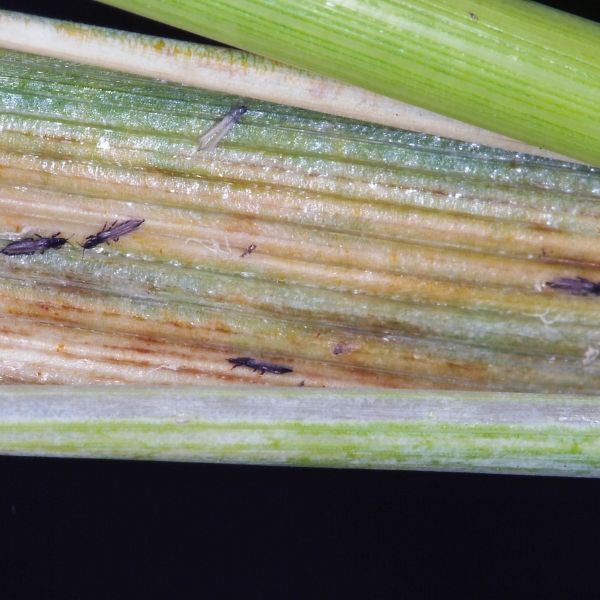
Thrips: Tiny insects that damage flowers and leaves, causing silvery streaks and distorted growth.
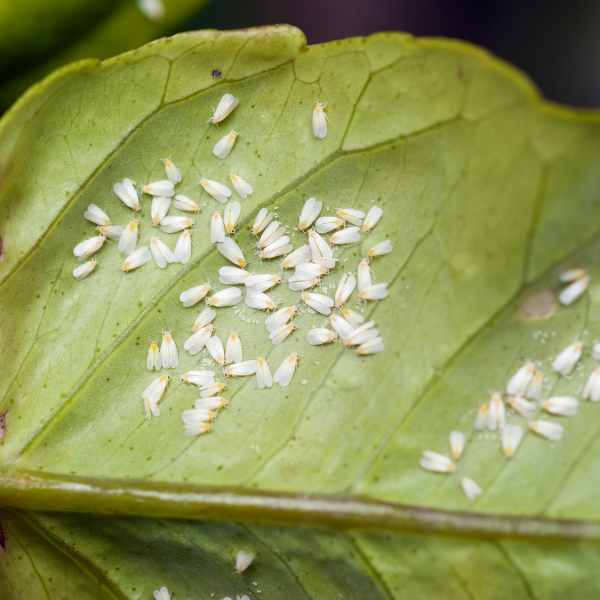
Whitefly: Small white insects found on the underside of leaves, feeding on sap and weakening plants.
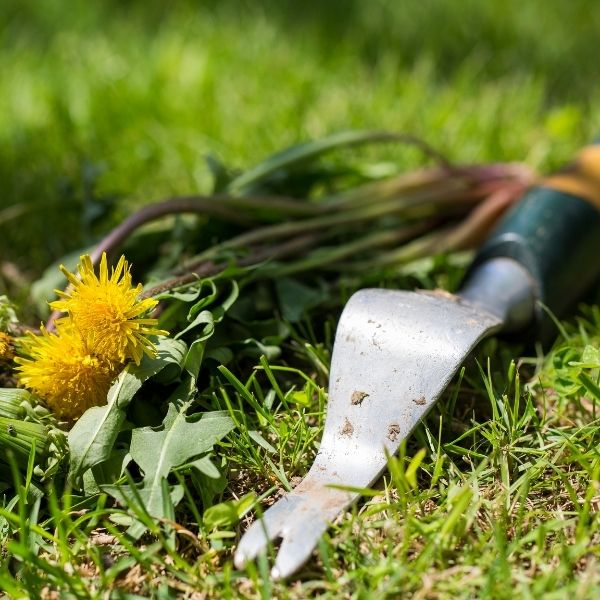
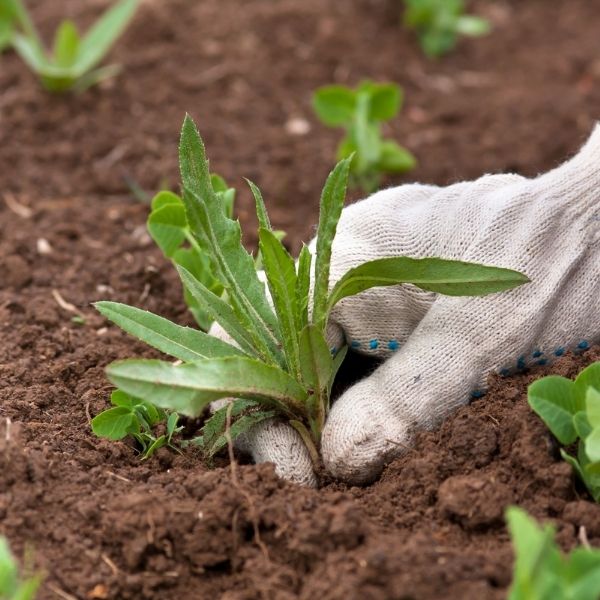
Weeds: Warmer weather and longer days trigger rapid weed growth; remove them early before they compete with garden plants.
Lawn weeds and early lawn pests: As lawns become active, weeds and early pest activity can establish quickly; early treatment helps maintain a healthy lawn.