November

November in the Garden

November is the start of summer in the garden. Warmer temperatures and increasing rainfall encourage strong growth and abundant flowering. Gardens are vibrant and full of life, but regular watering, feeding and pest control are essential to keep everything thriving.

November Quick Tips:

Watering

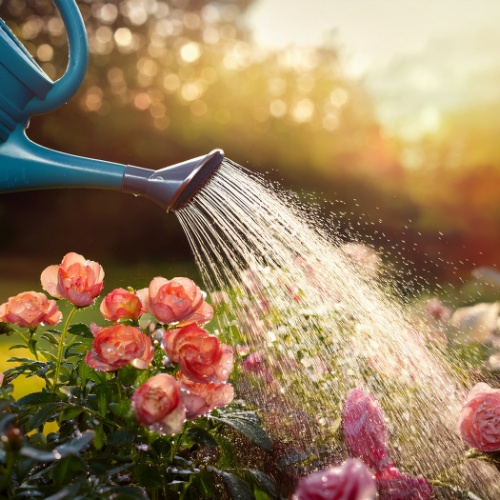
As temperatures rise and rainfall becomes less predictable, regular deep watering is essential to keep plants healthy and prevent stress.
 

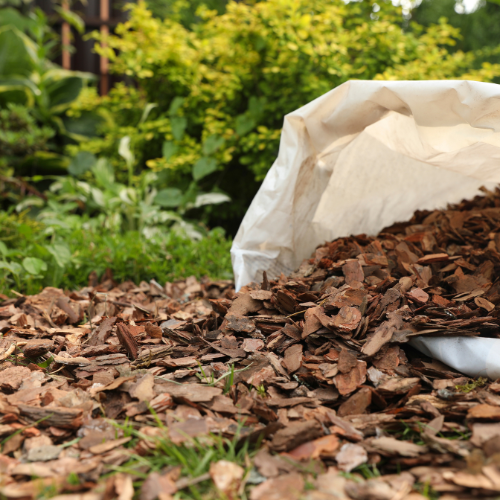
Mulching

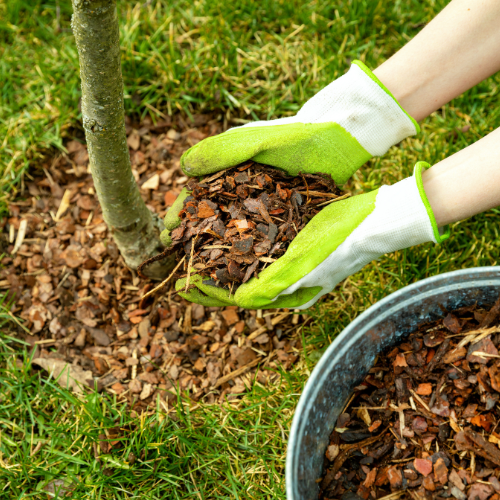
A layer of mulch helps conserve moisture, suppress weeds and keep plant roots cooler during hot weather.
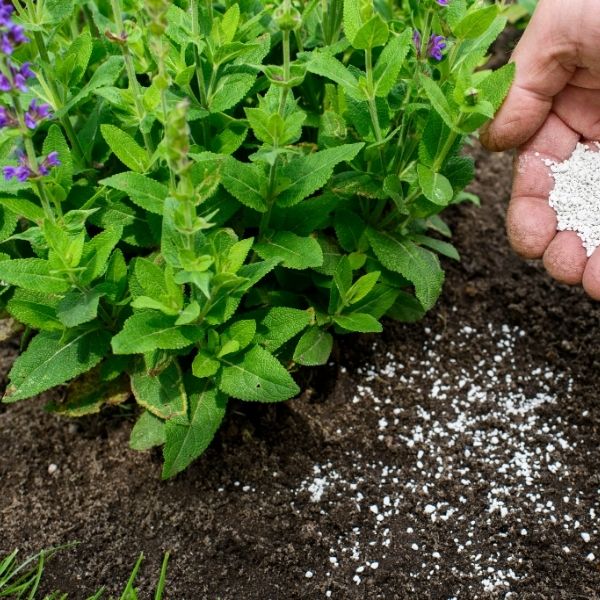
Feeding

Apply fertiliser to lawns, beds, and flowering plants to support strong growth, flowering, and overall plant health during the active growing season.
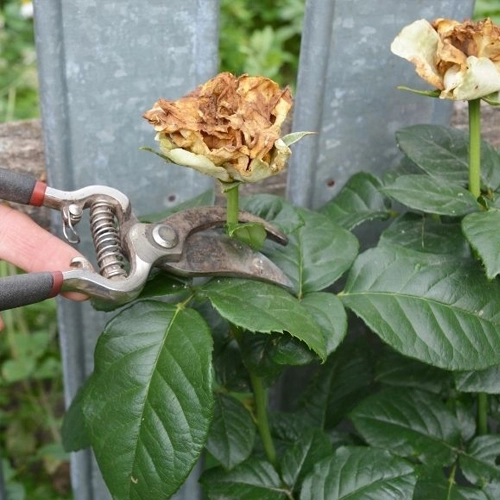
Deadheading

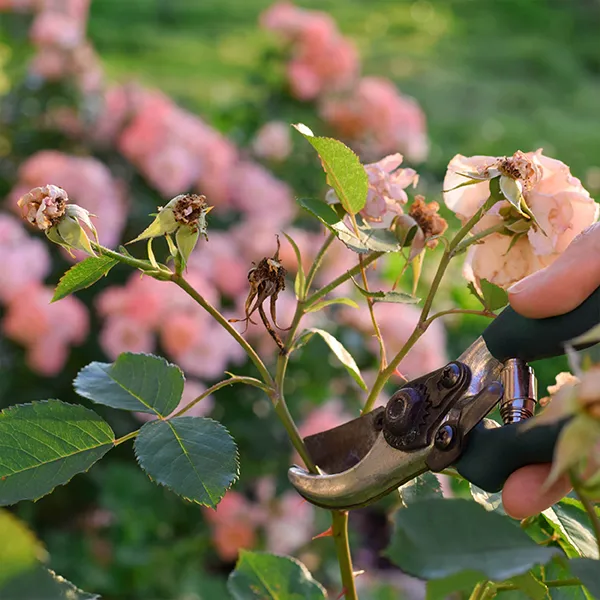
Remove spent flowers and tidy plants to encourage continuous blooming and keep the garden looking neat and productive.
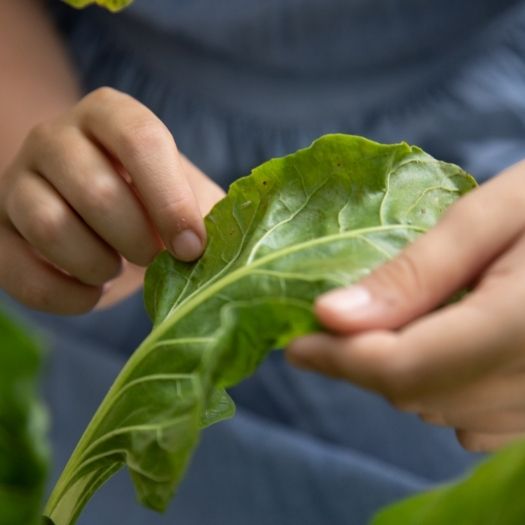
Pest Control

Warmer conditions encourage rapid pest activity, so regular inspection and early treatment help prevent infestations from spreading.

Top Garden Jobs in Nov:

Officially the last month of spring, November often has many rainy days making the garden difficult to access both for working in and recreation.  Good drainage becomes important at this time of year. 

Stay on top of weeds
Warm weather and regular rainfall encourage rapid weed growth. Remove weeds while they are still small to prevent them from competing with your plants for water, nutrients, and space.

Feed actively growing plants
November is a period of strong growth. Apply a balanced fertiliser to lawns, bedding plants, vegetables and ornamentals to support healthy foliage, flowering and root development.

Plant out summer colour and vegetables
This is an ideal time to plant summer annuals and warm-season crops such as tomatoes, peppers, herbs, and other heat-loving vegetables. Ensure young plants are well watered as they establish.

Mulch garden beds
Apply a layer of mulch around plants to help retain soil moisture, suppress weeds, and regulate soil temperature. This becomes especially important as the weather heats up.

Deadhead and tidy flowering plants
Remove spent blooms from annuals and perennials to encourage continuous flowering and keep plants looking neat. This also redirects the plant’s energy into producing more flowers.

Monitor for pests and diseases
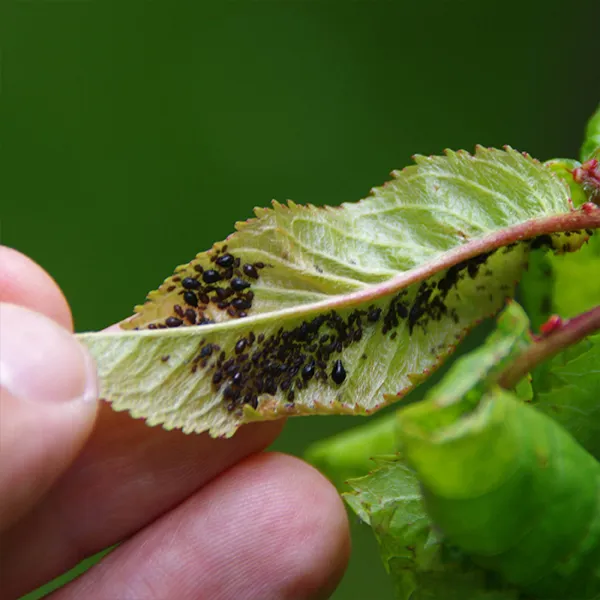
Warmer, more humid conditions can lead to increased pest activity and fungal issues. Keep an eye out for aphids, whitefly, and mildew, and treat early before problems spread.

Support and train vigorous growth
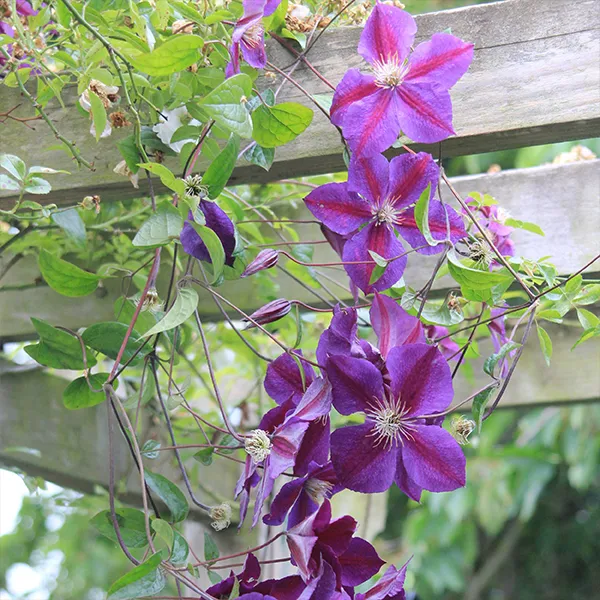
Many plants grow quickly in November. Stake tall or fast-growing plants, and train climbers to ensure they grow in the desired direction and don’t become tangled or damaged.

Mow and care for lawns regularly
Lawns grow rapidly in warm conditions. Mow frequently (but avoid cutting too short) and keep edges neat. Water lawns deeply rather than lightly and frequently.

Harvest vegetables regularly
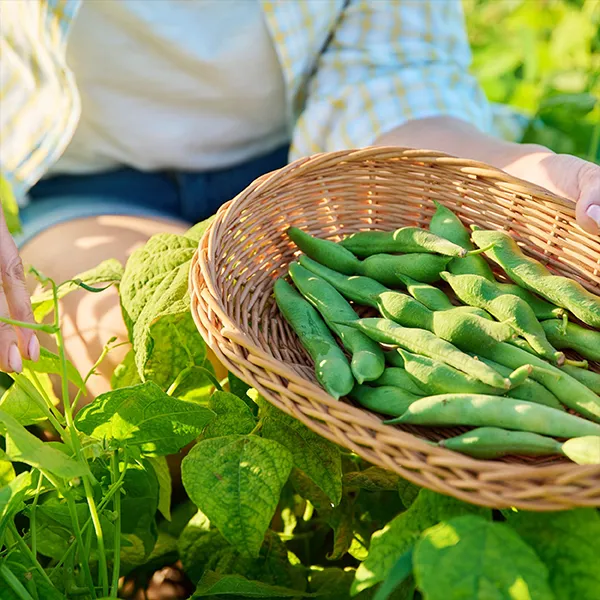
Pick crops such as beans, cucumbers and early tomatoes often to encourage continued production and prevent plants from going to seed too quickly.
What to Plant in November:

Planting the right plants at the right time is the secret to a thriving garden. Each month offers wonderful opportunities to add colour, flavour and fresh growth to your garden. Here are some of the flowers, vegetables and herbs that grow well when planted this month.

Flowers

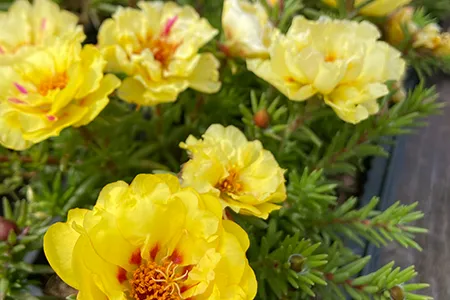
Portulaca

Flowers (Seedlings)

  • Begonia – Shade-loving plants with vibrant, long-lasting blooms, perfect for brightening sheltered areas.
  • Celosia – Bold, feathery or crested flowers in bright colours, ideal for adding texture and impact to sunny beds.
  • Cosmos – Light, airy plants with delicate daisy-like flowers, perfect for a relaxed, natural garden look.
  • Impatiens – Reliable choice for continuous colour in shade or semi-shade, ideal for beds and containers.
  • Marigold – Bright, hardy flowers that thrive in sunny spots and bring cheerful colour to the garden.
  • Petunia – Showy, long-flowering blooms ideal for beds, pots, and hanging baskets.
  • Portulaca – Low-growing, heat-tolerant plants with bright, rose-like flowers, perfect for sunny beds, borders, and containers.
  • Salvia – Upright spikes of colourful flowers that attract pollinators and add height to borders.
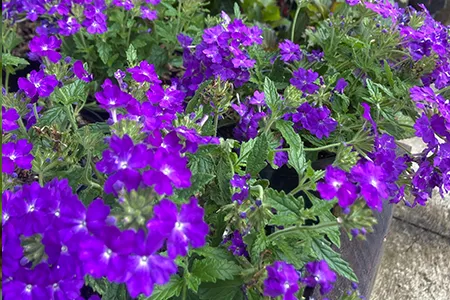
  • Verbena – Long-flowering, sun-loving plants that attract pollinators and add vibrant colour.
  • Zinnia – Easy-to-grow plants with bold, colourful blooms that brighten sunny garden spaces.

Flowers (Seeds)

  • African daisies (Osteospermum) – Vibrant daisy-like flowers that thrive in warm weather and open fully in sunshine, adding bold colour to beds.
  • Bokbaaivygies – Hardy, sun-loving ground covers with bright, papery blooms that perform well in dry, coastal-style conditions.
  • Cosmos – Tall, airy plants with delicate flowers that create a light, natural look while attracting bees and butterflies.
  • Marigold (Tagetes) – Reliable, fast-growing flowers that deliver continuous bright colour and perform well in warm, sunny beds.
  • Nasturtium – Quick-growing plants with vibrant edible flowers and leaves, ideal for adding colour to borders and containers.
  • Sunflower (Helianthus) – Fast-growing plants that produce large, striking blooms and make bold focal points in summer gardens.
  • Zinnia – Heat-loving, free-flowering plants that produce vivid, long-lasting blooms perfect for cutting and continuous garden colour.

Vegetables

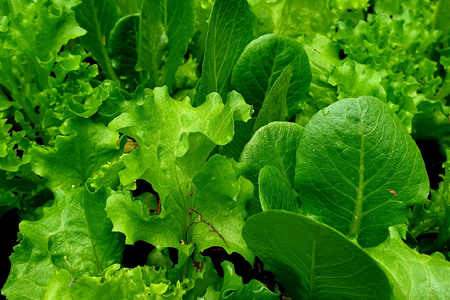
Lettuce Seedlings

Vegetables (Seedlings)

  • Beans (Bush & Climbing)
  • Beetroot
  • Capsicum (Sweet Peppers)
  • Chillies
  • Cucumber
  • Eggplant (Aubergine)
  • Lettuce (heat-tolerant varieties)
  • Okra
  • Pumpkin
  • Spinach (Swiss chard / perpetual spinach)
  • Sweetcorn
  • Tomatoes

Vegetables (Seeds)

  • Beans (Bush & Climbing)
  • Beetroot
  • Butternut
  • Capsicum (Sweet Peppers)
  • Carrots
  • Chillies
  • Cucumber
  • Eggplant (Aubergine)
  • Lettuce (heat-tolerant varieties)
  • Melons (including watermelon)
  • Okra
  • Pumpkin
  • Radish
  • Spinach (Swiss chard)
  • Sweetcorn
  • Tomatoes
  • Turnips


Herbs

Herbs

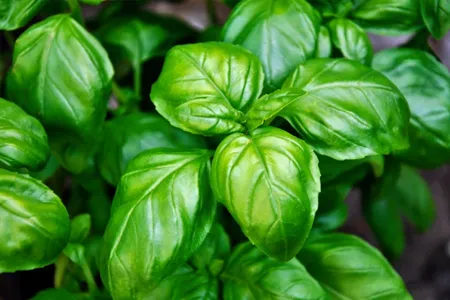
  • Basil
  • Chives
  • Coriander (Cilantro)
  • Dill
  • Lemongrass
  • Mint
  • Oregano
  • Parsley
  • Rosemary
  • Sage
  • Thyme

Spring Stars in the Garden

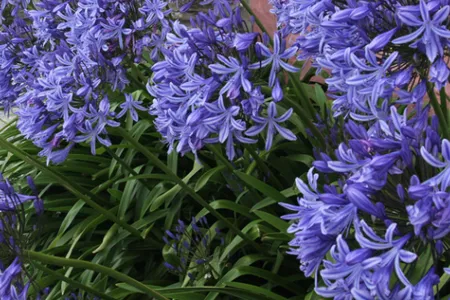
A firm favourite in local gardens. Tall stems topped with blue, purple, or white flower heads make a striking display in borders and mass plantings. Tough, reliable and indigenous.

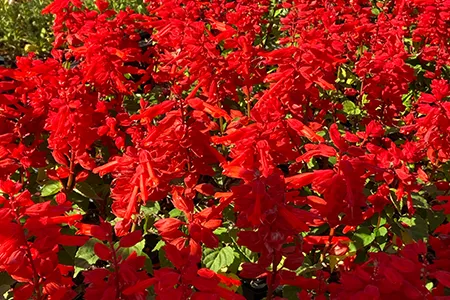
Bold spikes of colourful flowers bring strong vertical interest to the garden. Salvias handle the heat well and are ideal for creating vibrant, eye-catching displays.

Light and airy, verbena adds a soft, natural feel to the garden. Clusters of small flowers in purples, pinks, reds and whites attract butterflies and fill spaces beautifully without looking heavy.

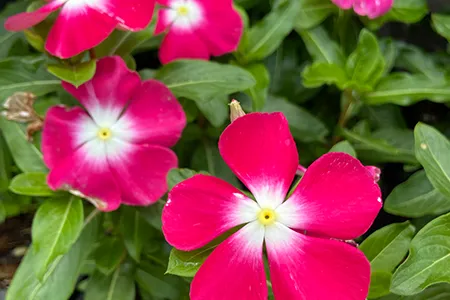
A summer essential in KZN. Vincas thrive in heat and humidity, producing continuous colour in sunny beds and containers. They’re low-maintenance, drought-tolerant and incredibly rewarding.

Problems to watch for in the Garden in November

Hot, humid conditions encourage rapid plant growth,
but they also create ideal conditions for pests and diseases.

If you’re dealing with pests, diseases, or garden challenges, our knowledgeable team at your nearest Blackwood’s is here to help. We can advise on a range of solutions to suit your garden, from natural and organic options to safe chemical approaches, so your plants can thrive.

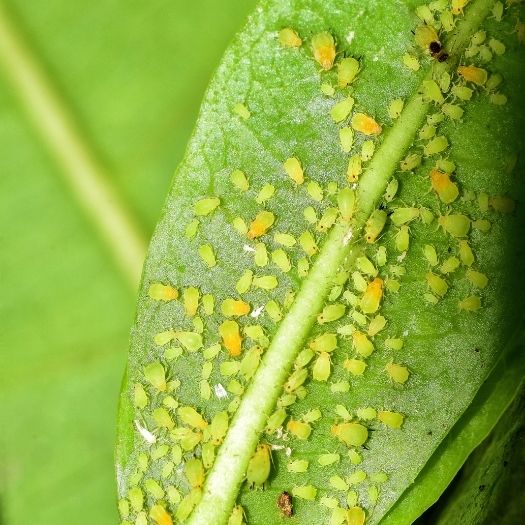
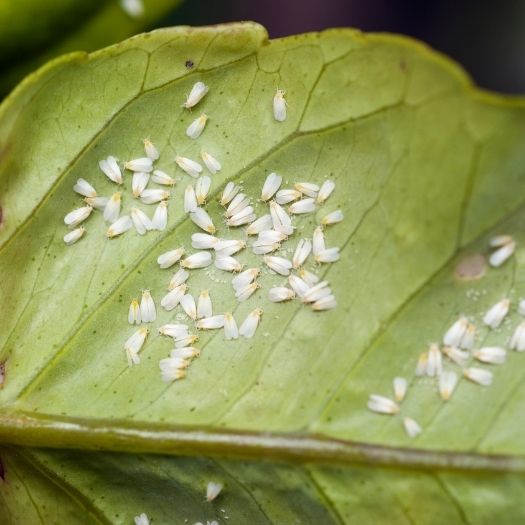
Aphids and whitefly: These sap-sucking insects multiply rapidly on new growth, weakening plants and spreading disease if not controlled early.

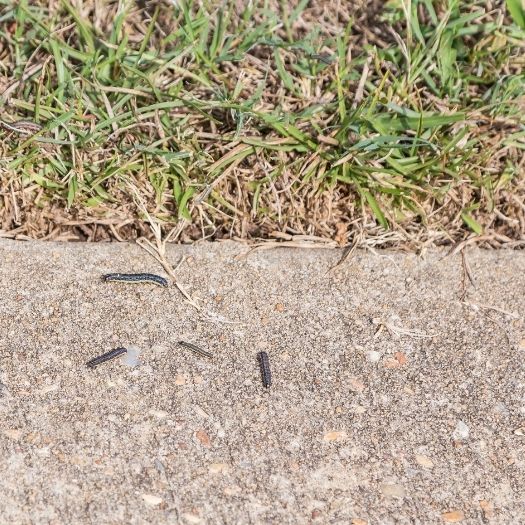
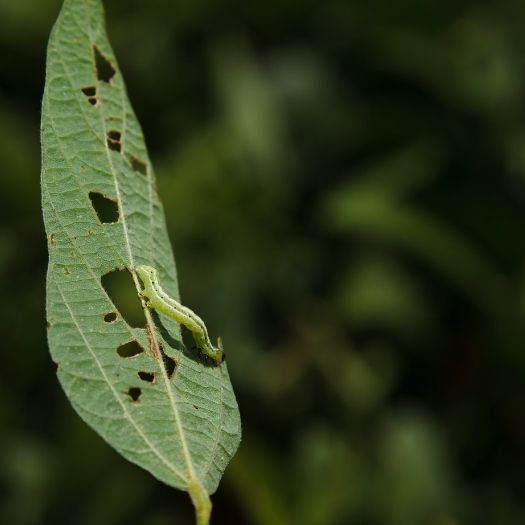
Caterpillars: Warm conditions encourage active feeding on leaves, buds, and vegetables. Check plants regularly and treat before damage becomes severe.

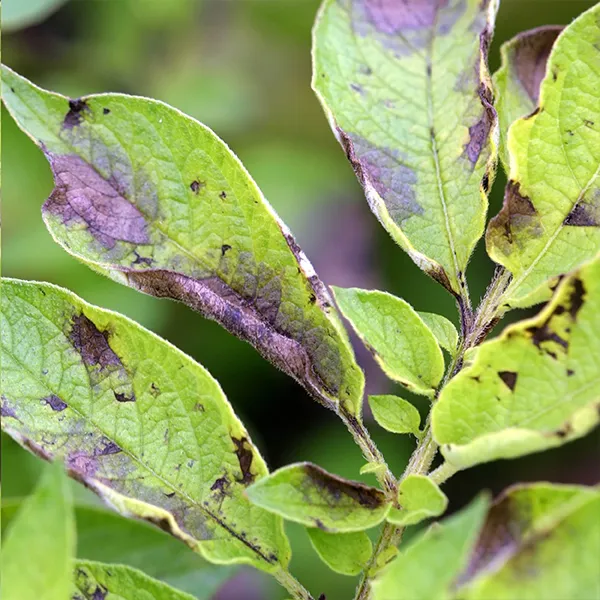
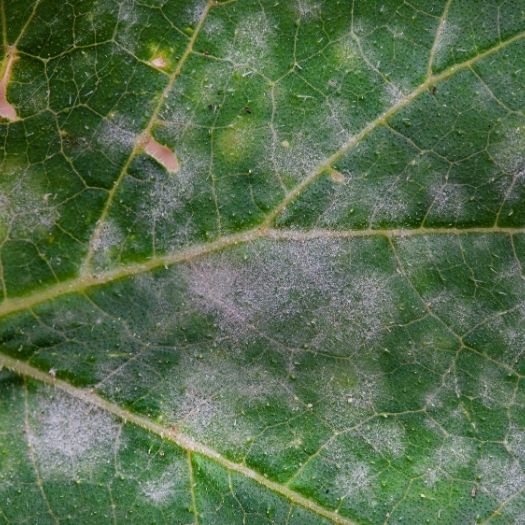
Fungal diseases (powdery mildew, leaf spot and blight): Heat combined with humidity and rain can trigger fungal problems. Ensure good airflow and avoid wetting foliage late in the day.

Lawn pests (armyworms and beetles): Lawns may develop brown patches as pests feed on roots or blades. Early detection is key to preventing widespread damage.

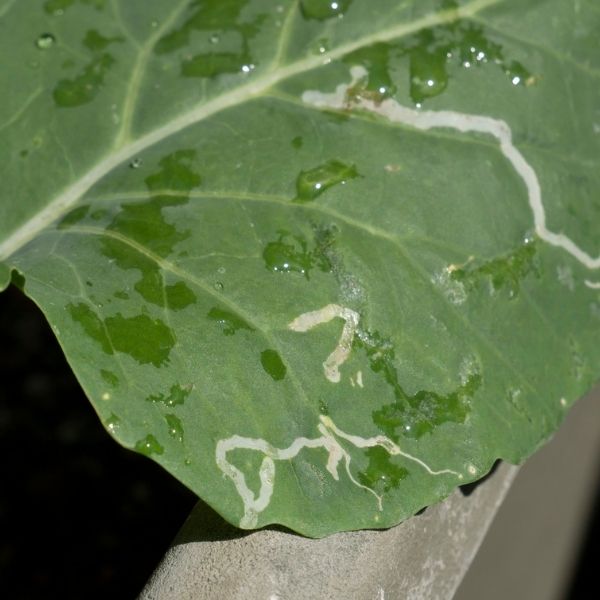
Leaf miner: Larvae tunnel through leaves, leaving visible trails and damaging foliage, especially on vegetables and soft new growth.

Mealybugs: White, cottony insects found on stems and leaves, feeding on sap and weakening plants, especially in warm, sheltered areas.

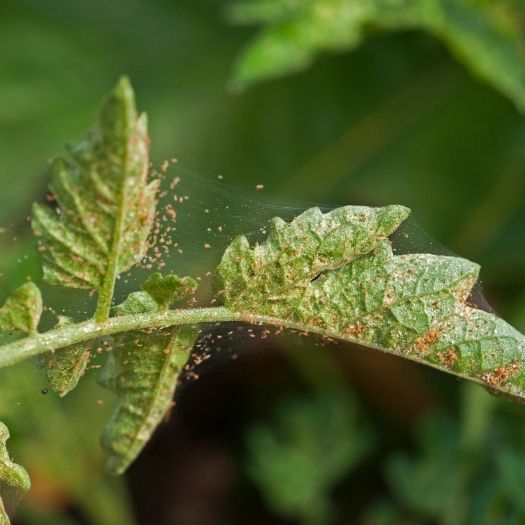
Red spider mites: Hot, dry conditions can lead to outbreaks, causing speckled, dusty-looking leaves and stressed plants.

Snails and slugs: Increased moisture and garden watering create ideal conditions for these pests, which feed on tender growth and seedlings.

Thrips: Tiny insects that damage flowers and new growth, causing silvery streaks and distorted blooms.

Weeds: Warm temperatures and summer rains encourage rapid weed growth. Remove weeds early before they compete with plants for nutrients and space.


MICHELE
BLACKWOOD’S
HOWICK

Gardening Tip from the Blackwood’s Team:

As gardens burst into growth in November, perennials need a little extra attention to stay at their best.

Plants like day lilies and agapanthus are coming into their own now, but warmer, humid conditions can also encourage pests and diseases. Keep an eye out for signs of rust on leaves and watch for lily borer damage. Regularly remove affected foliage and treat early to keep plants healthy, strong, and flowering beautifully right through summer.

DISCLAIMER:  The information presented on this website is intended solely as a general guide. We neither endorse specific plant varieties over others nor claim expertise in stock performance. All information is believed to be accurate, based on private inquiries and experiences, and is provided in good faith. Blackwood’s, including its employees, disclaims any responsibility for harm, loss, cost, or damage arising from the use or reliance upon any information on this website, especially if any part of the information proves to be inaccurate or incomplete. Please note that the displayed photos are not representative of current stock but are used for illustrative purposes only.