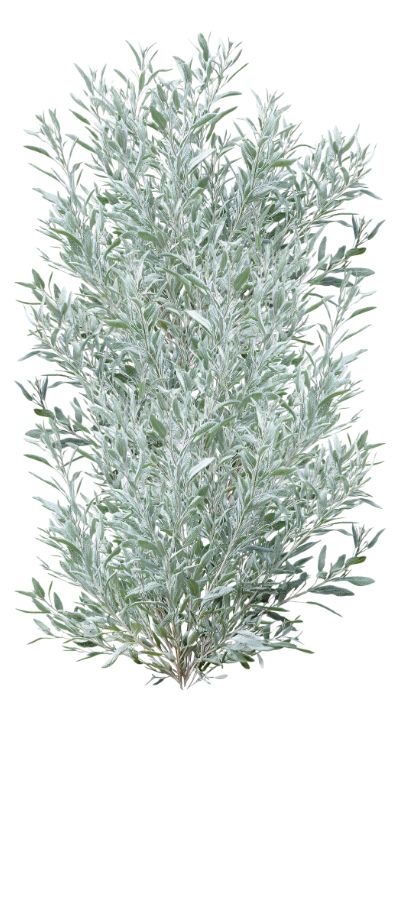
How to grow Shrubs

Growing Shrubs

The backbone of a beautiful garden

Shrubs are the quiet achievers of the garden. They provide structure, shape and greenery all year round, with many offering flowers, fragrance or colourful foliage along the way. From compact feature plants to larger screening shrubs, they form the framework that ties a garden together.

Choose the right shrub for your space and conditions and you’ll enjoy a dependable, long-lasting plant that improves with age.

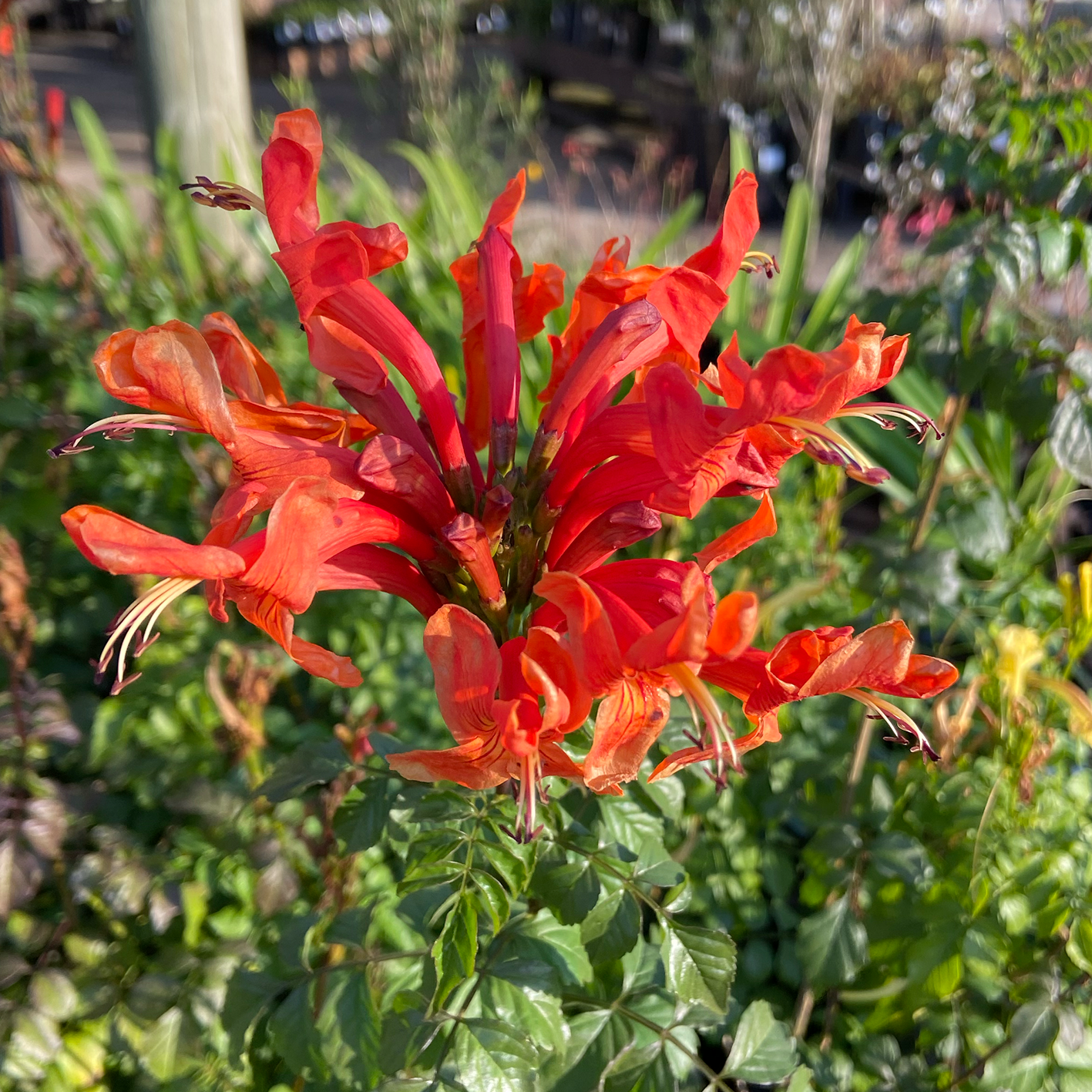
Get the 'Grow How'

Shrubs are generally easy to grow and forgiving. Good planting, sensible watering while they establish, and occasional feeding are usually all they need to thrive.
Planting Procedure
Fertilising and Care
Pests and Diseases
Garden Uses

THE BASICS:

A good start leads to years of success. Correct placement and soil preparation help shrubs establish quickly and grow into strong, well-shaped plants.

Quick Tips:

  • Plant in the correct light conditions for the shrub type
  • Improve soil with compost before planting
  • Dig a hole wider than the root ball, not deeper
  • Allow enough space for the shrub’s mature size

  • Dig a square hole (some prefer round) hole about 3 times as wide and twice the depth of the nursery container the shrub is growing in.
  • Keep two thirds of the top soil to one side and add compost equal to one third of the volume to the soil along with bone meal or superphosphate at the recommended rate.
  • Mix all these ingredients together thoroughly before filling the hole.
  • If the soil is dry then fill empty hole with water first and allow to drain before returning the soil mixture.
  • Firm down the soil before digging a small hole to fit the root ball of the shrub.
  • Carefully remove nursery container.
  • Place root ball of shrub in planting hole making sure that it’s at the same level with the surrounding ground.
  • Fill in around the root ball and firm soil down gently.
  • Form an irrigation basin around the planted shrub to facilitate efficient watering.
  • Once planting is complete water well to settle in and continue regular watering until the plants is established.


KEEP THEM HAPPY:

Steady care keeps shrubs healthy and attractive. Most shrubs don’t need heavy feeding, but they do benefit from regular maintenance.

Quick Tips:

  • Feed in spring with a general-purpose fertiliser
  • Prune lightly to maintain shape and encourage bushiness
  • Refresh mulch annually to improve soil health

  • Apply a layer of mulch around the plant to keep the roots cool and repel weeds.
  • Regular fertilising with a balanced granular fertiliser (5:1:5 formula is ideal) every 6 to 8 weeks ensure healthy growth.
  • Lanky or leggy shrubs may need pruning back or staking with a stout stick until they fill out.
  • Prune back any plants that get straggly or untidy preferably immediately after flowering.


GOOD TO KNOW:

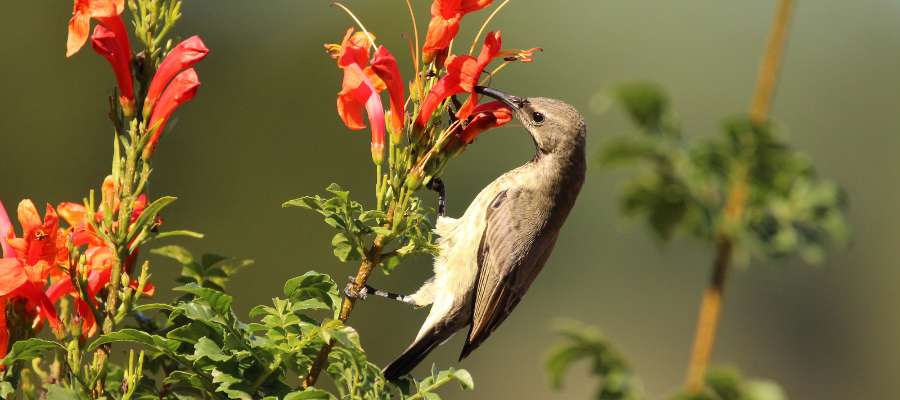
Healthy shrubs are naturally resilient. Problems are usually linked to stress from poor drainage, overcrowding or lack of airflow.

Quick Tip:
  • Ensure good spacing and airflow
  • Avoid overwatering

  • Aphids gather on the soft new growth tips and suck the sap out of the plant – control with a general insecticide.
  • Caterpillars, beetles and grasshoppers chew the leaves – treat with a systemic insecticide (only suitable for use on non-edibles).
  • Red spider mites are a problem on some plants in summer – use a suitable miticide.
  • Fungal diseases like mildew and rust on the leaves – spray with a broad spectrum fungicide.


GREAT FOR:

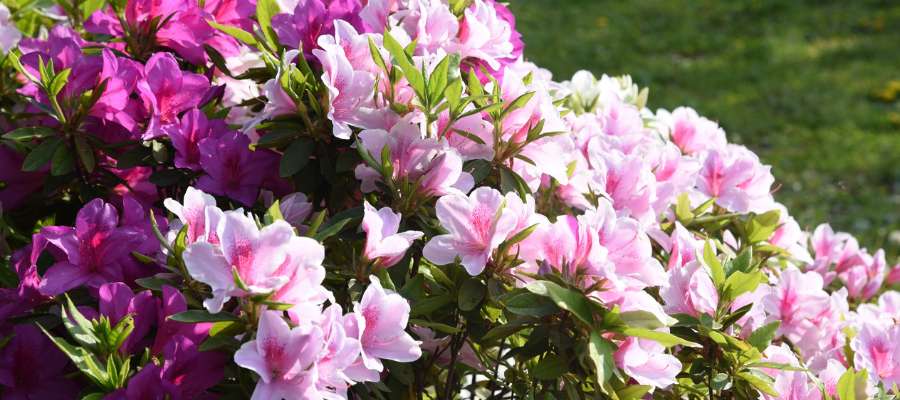
Shrubs bring balance and structure to every garden style. They’re incredibly versatile and can be used in many different ways.

Quick Tips:
  • Ideal for hedging and screening
  • Use as feature plants or fillers in garden beds
  • Perfect for defining garden spaces

  • Splendid in aloe gardens or mixed with other succulents
  • Superb in rock gardens or on hot dry banks
  • Many species are important in indigenous only landscapes
  • Excellent feature plants especially those with a statuesque shape
  • Good specimen plants in pots and containers, both large and small
  • Combine well with cycads or proteas, interspersed with ornamental grass


Shopping List

  1. Tools for preparing the soil and planting.
  2. Compost or kraal manure to dig into the soil.
  3. Fertiliser to promote root growth (superphosphate or bone meal).
  4. Pruning shears to assist if pruning is necessary
  5. Watering can or hosepipe.
  6. Mulch material for spreading after planting.
  7. Snail bait.

DISCLAIMER: 
 The information presented on this website is intended solely as a general guide. We neither endorse specific plant varieties over others nor claim expertise in stock performance. All information is believed to be accurate, based on private inquiries and experiences, and is provided in good faith. Blackwood’s, including its employees, disclaims any responsibility for harm, loss, cost, or damage arising from the use or reliance upon any information on this website, especially if any part of the information proves to be inaccurate or incomplete. Please note that the displayed photos are not representative of current stock but are used for illustrative purposes only.