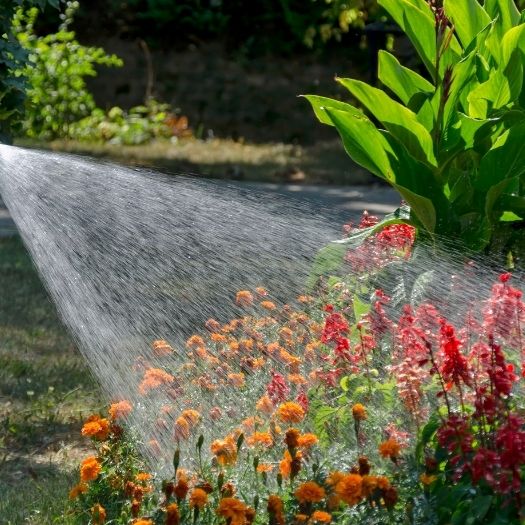
High temperatures and active growth mean plants need consistent, deep watering to prevent stress.
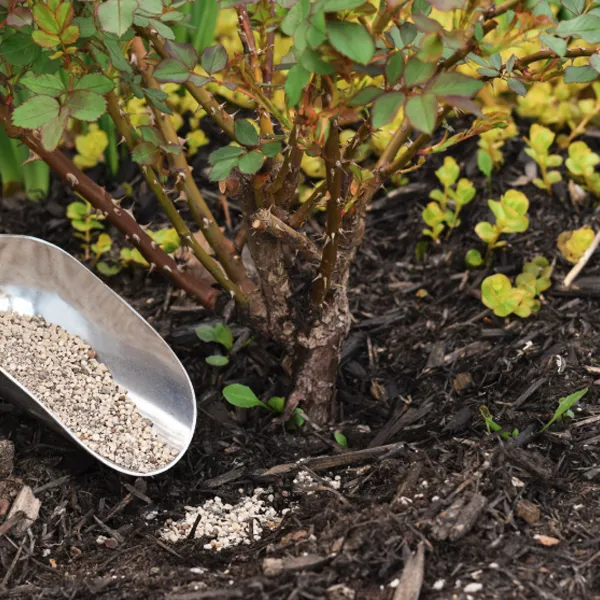
Apply fertiliser to support continued flowering, fruiting, and healthy growth during peak season.
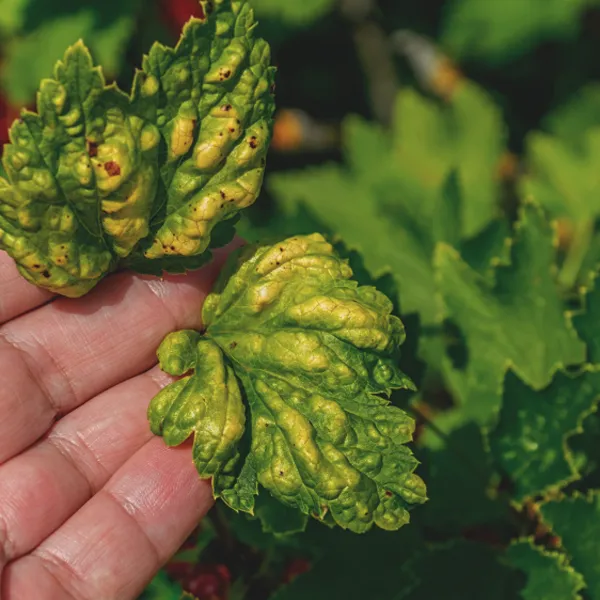
Warm, humid conditions encourage rapid pest outbreaks, so inspect plants regularly and treat early.
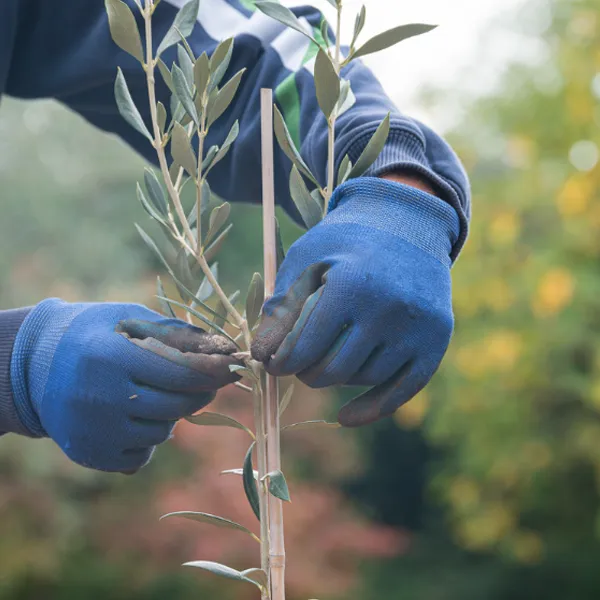
Fast-growing plants may need support to prevent damage from wind or heavy summer rain.
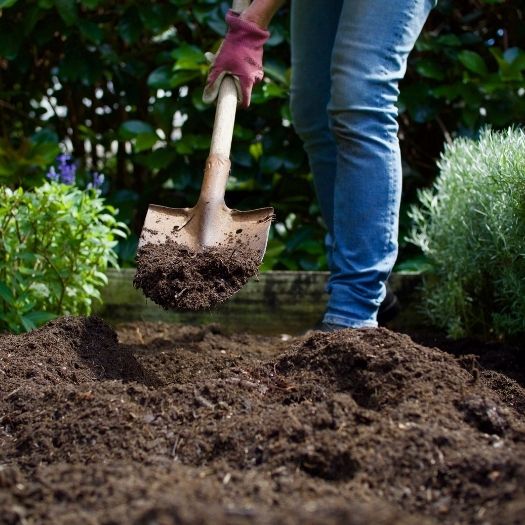
Prepare beds now so they are ready for planting when temperatures begin to cool.
The heat and humidity of February keep gardens growing at full pace. Regular maintenance and attention to key tasks will help plants stay healthy and productive through the peak of summer.
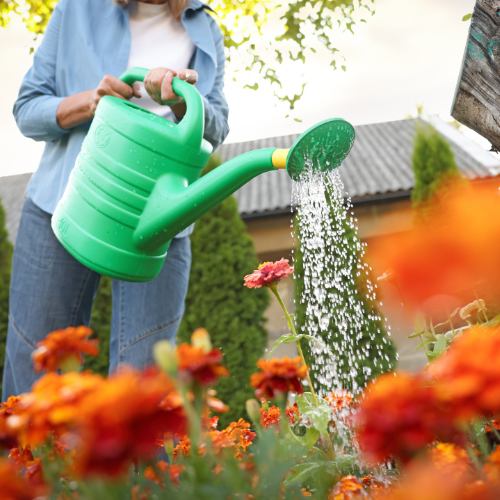
Water deeply and consistently:
Hot temperatures and active growth mean plants need regular, deep watering. Water early in the morning to reduce evaporation and ensure moisture reaches the roots. Containers and hanging baskets may require daily watering during very hot spells.
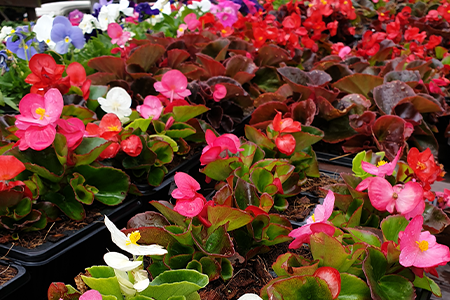
Feed and support growth:
Continue feeding flowering plants, vegetables, and lawns to sustain strong growth and abundant blooms. Fast-growing plants may also need staking or support to prevent damage from wind and heavy summer rain.
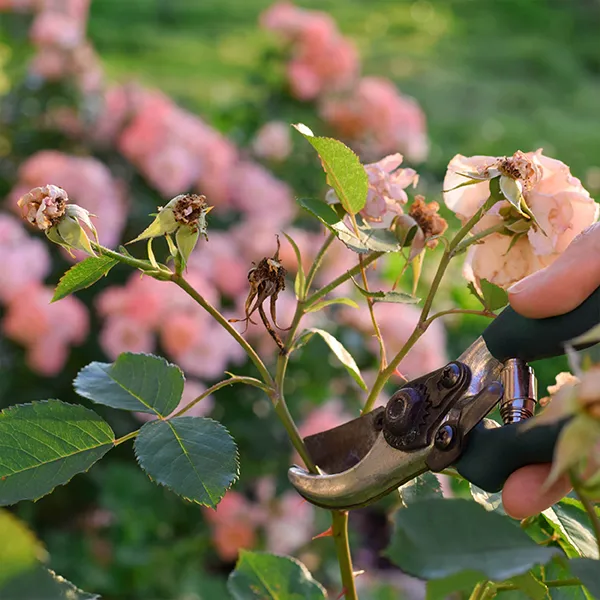
Deadhead and maintain flowering plants:
Remove spent flowers from annuals, perennials, and roses to encourage continuous blooming and keep plants looking tidy. This helps plants direct their energy into producing more flowers.
Monitor and control pests:
Warm, humid conditions encourage rapid pest activity. Check plants regularly for signs of insects or disease and treat early to prevent problems from spreading.
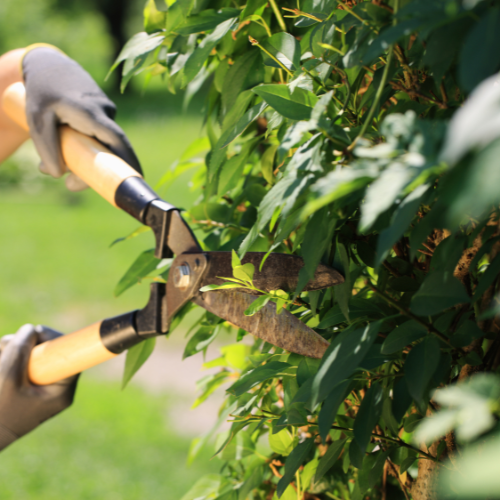
Light pruning and tidying:
Trim back leggy or overgrown plants and remove any damaged growth. This encourages fresh, healthy growth and keeps plants neat and compact.
Keep weeds under control:
Weeds thrive in the heat and rain of February. Remove them while they are still small to prevent them competing with your plants for nutrients and water.
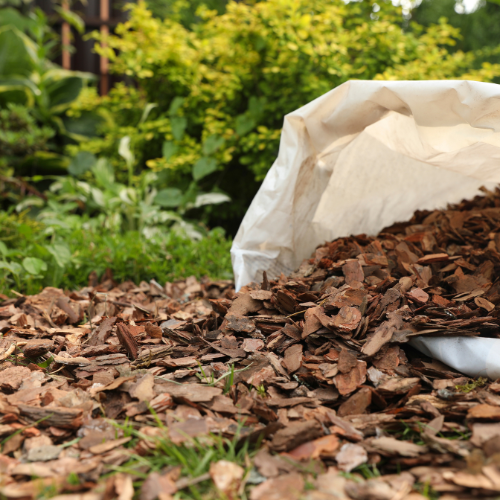
Mulch to retain moisture:
Apply mulch around plants to help conserve soil moisture, regulate temperature and suppress weed growth during the hot months.
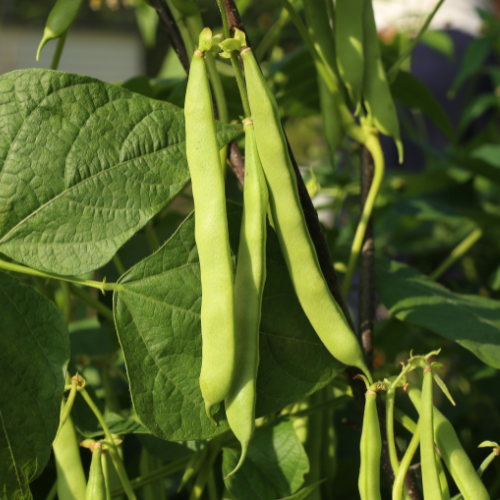
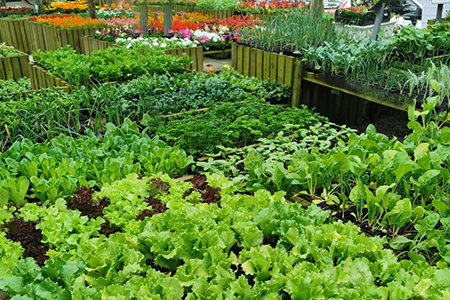
Harvest regularly:
Pick vegetables like beans, tomatoes and cucumbers frequently to keep plants productive and encourage continued cropping.
Care for roses:
Deadhead spent blooms and lightly feed plants to support another flush of flowers later in the season.
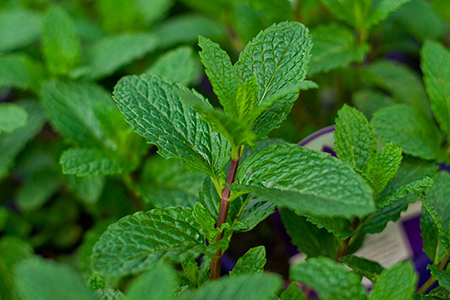
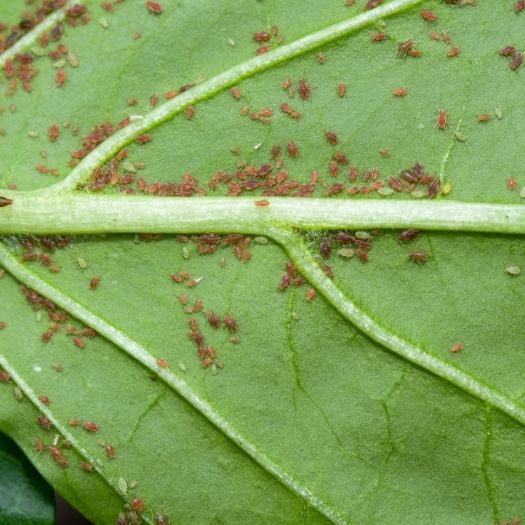

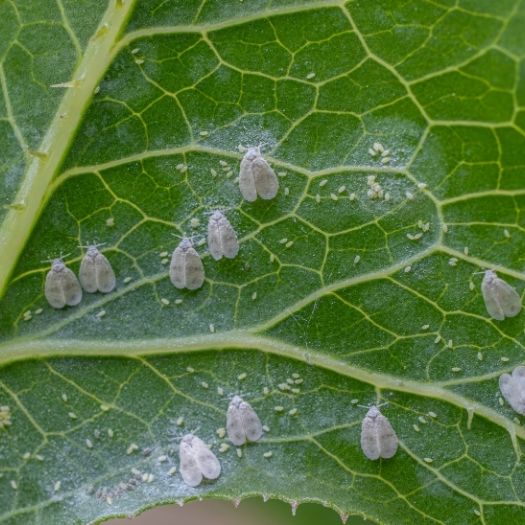
Aphids and whitefly: These sap-sucking insects multiply rapidly on soft new growth, weakening plants and spreading disease if not controlled early.
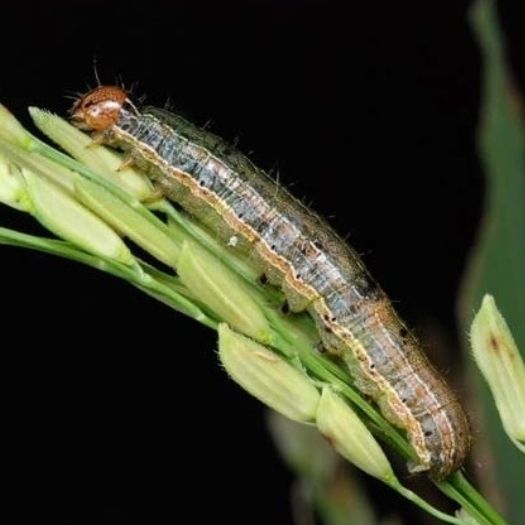
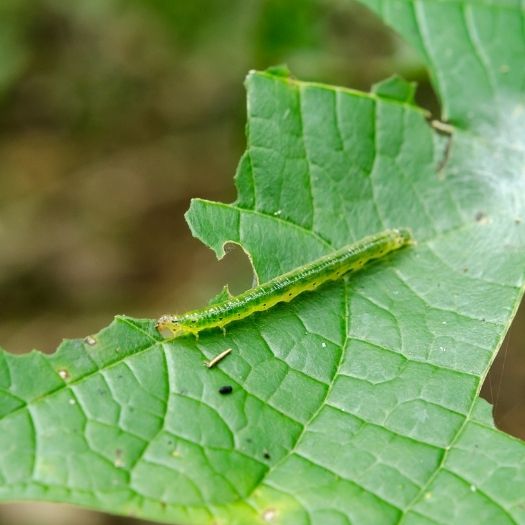
Caterpillars: Warm conditions encourage active feeding on leaves, buds, and vegetables. Check plants regularly and treat before damage becomes severe.
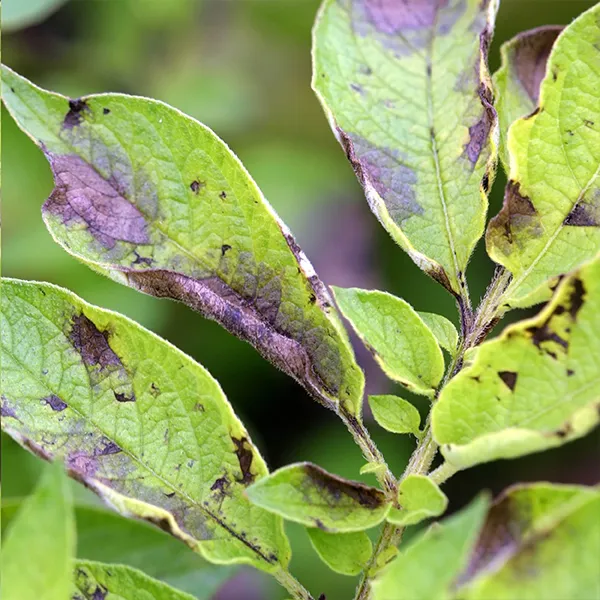
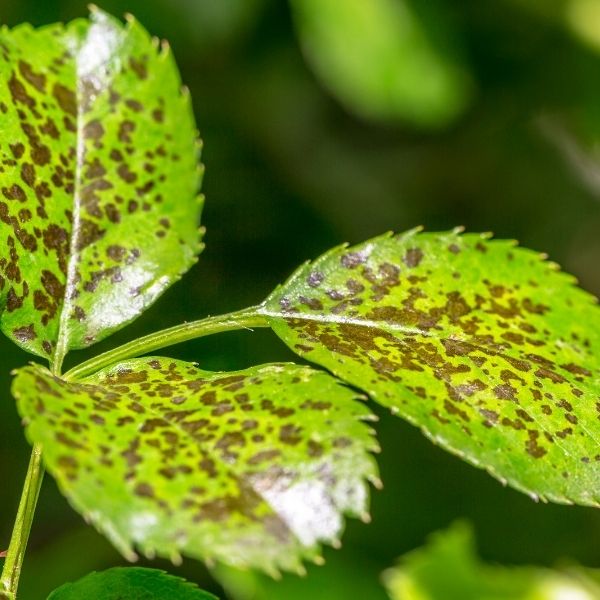
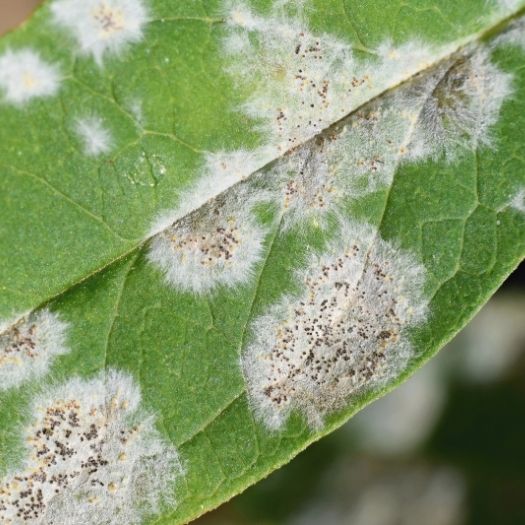
Fungal diseases (powdery mildew, leaf spot and blight): Heat, humidity, and summer rainfall create ideal conditions for fungal problems. Ensure good airflow and avoid wetting foliage late in the day.
Lawn pests (armyworms and beetles): Lawns may develop brown patches as pests feed on grass blades and roots. Check lawns regularly for early signs of damage.
Leaf miner: Larvae tunnel through leaves, leaving visible trails and damaging foliage, especially on vegetables and soft new growth.
Mealybugs: White, cottony insects that cluster on stems and leaves, feeding on sap and weakening plants.
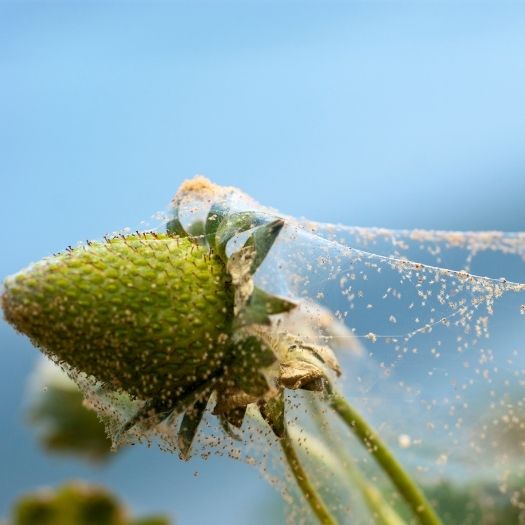
Red spider mites: Hot, dry spells can trigger outbreaks, causing speckled, dusty-looking leaves and plant stress.
Snails and slugs: Thrive in moist conditions and feed on seedlings and soft new growth, often causing damage overnight.
Thrips: Tiny insects that damage flowers and new growth, causing silvery streaks and distorted leaves or blooms.
Weeds: Warm temperatures and regular rainfall encourage rapid weed growth. Remove them early before they compete with garden plants.