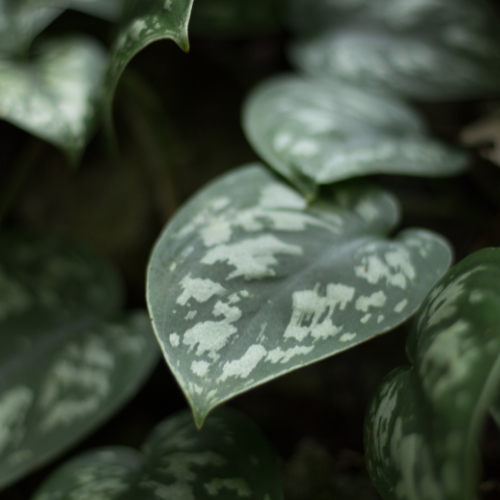
Scindapsus pictus or Satin Pothos

Scindapsus pictus

A stylish indoor climber admired for its velvety leaves and striking silver markings

Thrives in Bright to
Medium Light

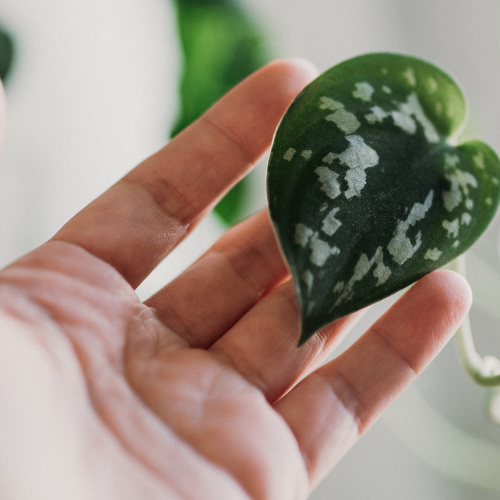
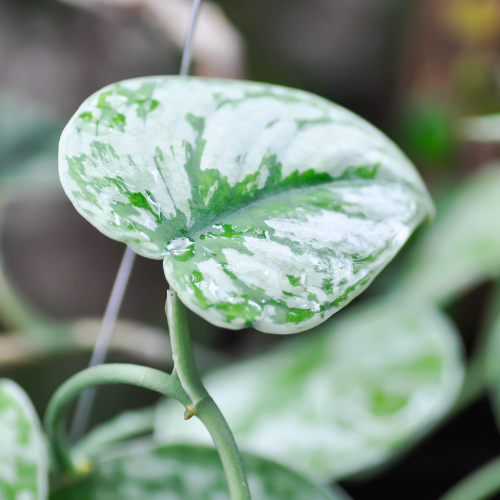
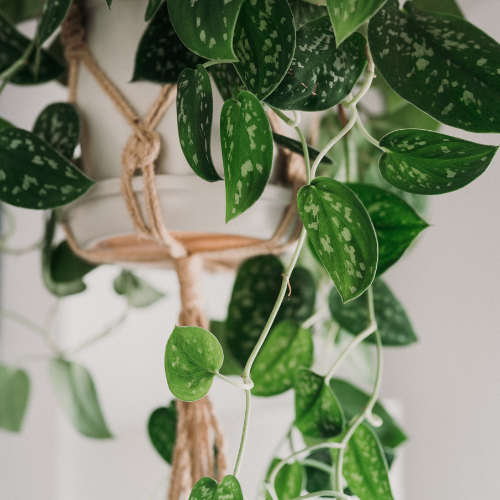
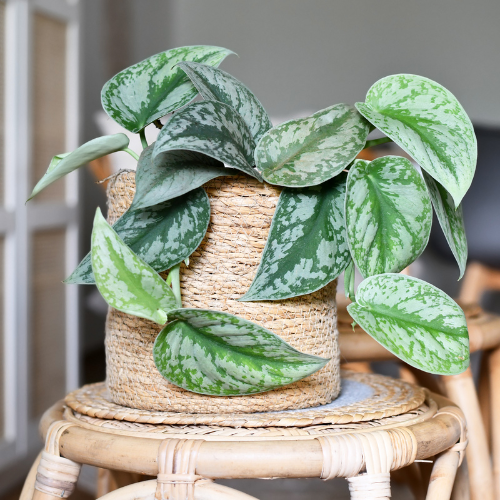
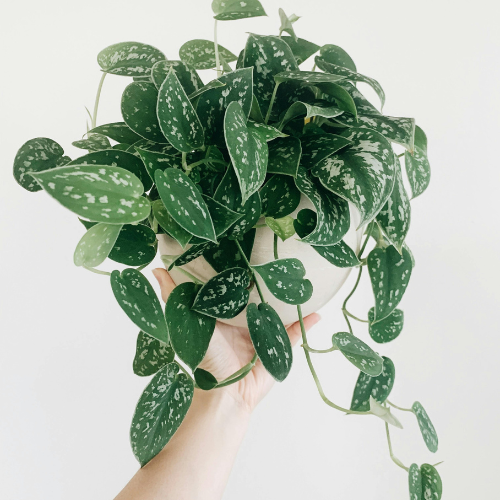
The scindapsus has the reputation of being one of the easiest houseplants to keep alive. It is known for its heart-shaped matte leaves, splashed with spots of iridescent gray, and fast-growing trailing vines. They are great specimens to train to climb up a coir pole, or be placed on a ledge or shelf to cascade over as a trailing plant!
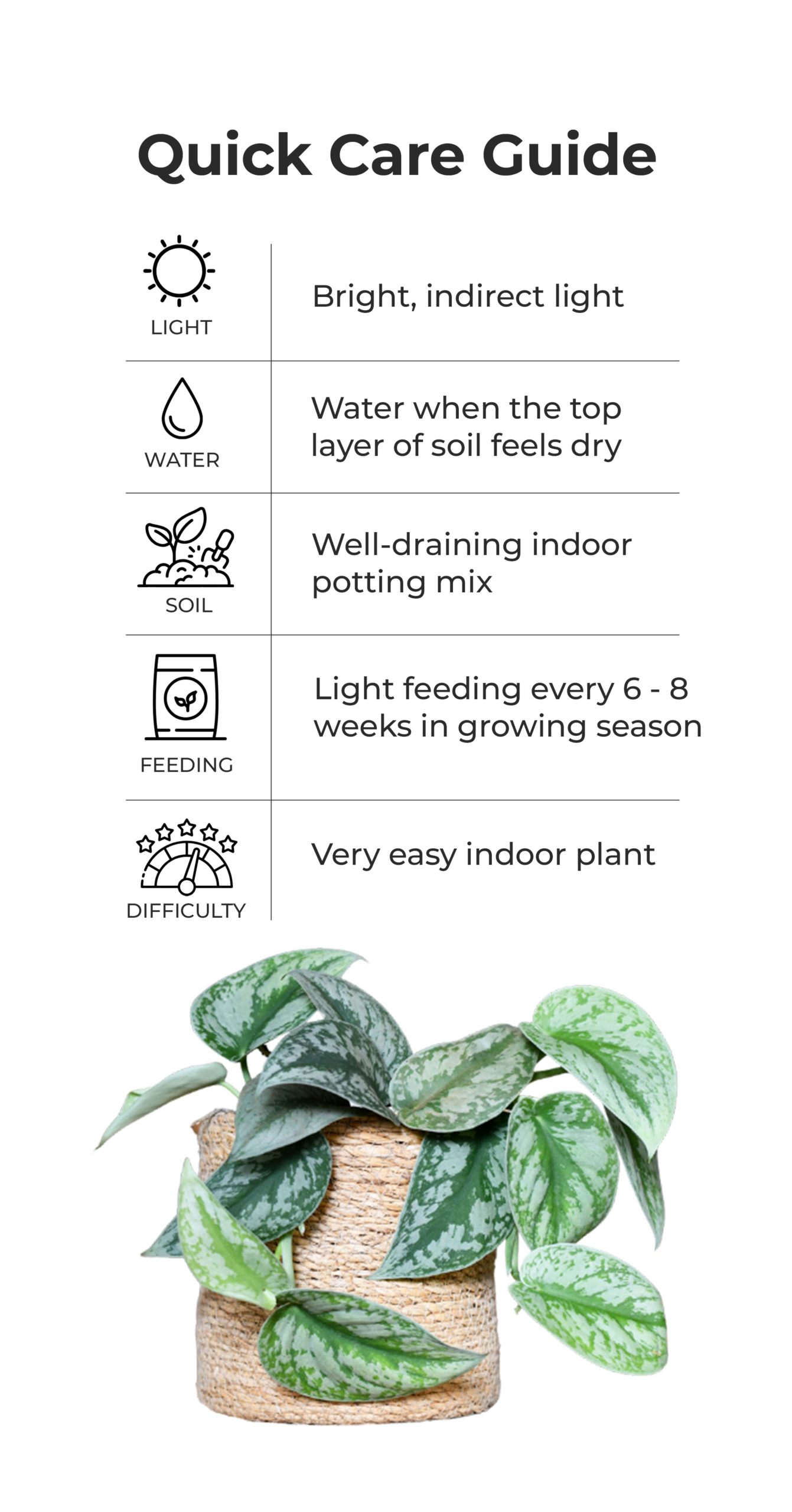
GUIDANCE FOR SUCCESSFUL INDOOR GROWING

Scindapsus pictus Growing & Care Guide

FAQ

Why are the leaves of my Scindapsus pictus turning yellow?

Yellow leaves are often caused by overwatering. Allow the top layer of soil to dry slightly between watering and ensure the pot drains well.

Why is my Scindapsus pictus becoming leggy?

Leggy growth usually indicates that the plant is not receiving enough light. Moving it to a brighter spot with indirect light will encourage fuller growth.

Can Scindapsus pictus grow in low light?

It can tolerate moderate light but grows best in bright indirect light. Very low light may slow growth and reduce the silver markings on the leaves.

Where do Scinapsus pictus Work Best Indoors?

Hanging baskets in living rooms, shelves and bookcases, office desks, bedrooms with filtered light, bathrooms with good natural light, trailing from plant stands or wall planters.

Light

Scindapsus will thrive in bright, indirect light, but they are also quite tolerant of lower light.  Lower light will mean that they may start to lose their characteristic leaf markings.  Tip: If you don’t have enough natural light, you can replace with artificial light. Scindapsus grow just as well under lights as they do with indirect sun!

WATER

Scindapsus require water every 1-2 weeks, allowing soil to dry out between waterings. Expect to water more often in brighter light and less often in lower light.  It’s important not to overwater this houseplant. If you’re not sure whether your Scindapsus needs water, it’s usually better to wait.

SOIL

Choose a nutrient-rich, well-draining potting mix. Any good quality houseplant potting mix will be suitable.  Scindapsus does poorly in wet, soggy soil.

FERTILISER

Scindapsus can be fertilised  in the warm months of spring and summer when the plant is putting more energy into active growth.  Use a general fertiliser for use on houseplants and follow the directions for application rate and frequency. You can use less fertiliser than it recommends, but never use more.

REPOTTING

It is important to re-pot scindapsus every 2 to 3 years if the plant has become root-bound. The new pot should be a few centimetres larger than the original pot. It’s best to re-pot in the spring.

COMMON ISSUES

  • Yellow leaves: Often from overwatering. Allow soil to dry a bit more between waterings.
  • Brown leaf edges: Can signal low humidity or inconsistent water.  Adjust care.
  • Dull variegation: Low light.  Try a brighter filtered light spot.

SPECIAL NOTES

Scindapsus pictus is loved for its silvery, splashy foliage and trailing habit — beautiful on shelves or in hanging pots. It benefits from slightly higher humidity and occasional leaf wiping to remove dust and keep leaf surfaces healthy. With consistent care, satin pothos can be a showpiece in any indoor space.

 
DISCLAIMER:  (Note: The information provided in this article is based on general guidelines for cultivating Scindapsus pictus. Individual plant care may vary, so always observe your plant’s specific needs and adjust your care accordingly.)
The information presented on this website is intended solely as a general guide. We neither endorse specific plant varieties over others nor claim expertise in stock performance. All information is believed to be accurate, based on private inquiries and experiences, and is provided in good faith. Blackwood’s, including its employees, disclaims any responsibility for harm, loss, cost, or damage arising from the use or reliance upon any information on this website, especially if any part of the information proves to be inaccurate or incomplete. Please note that the displayed photos are not representative of current stock but are used for illustrative purposes only.