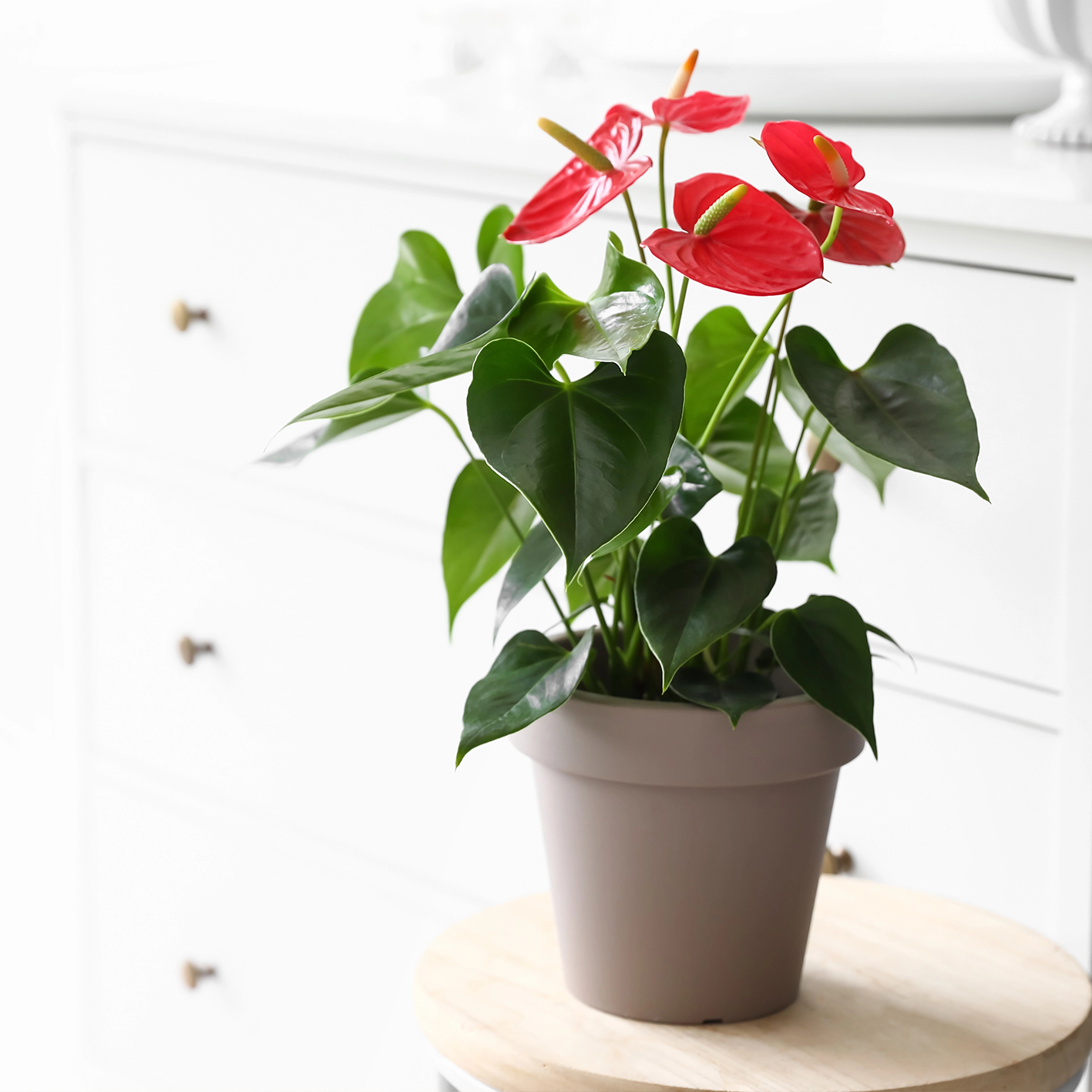
Anthurium (Flamingo Flower)

A striking indoor plant known for its glossy leaves and long-lasting, heart-shaped blooms

Thrives in Bright
to Medium Light

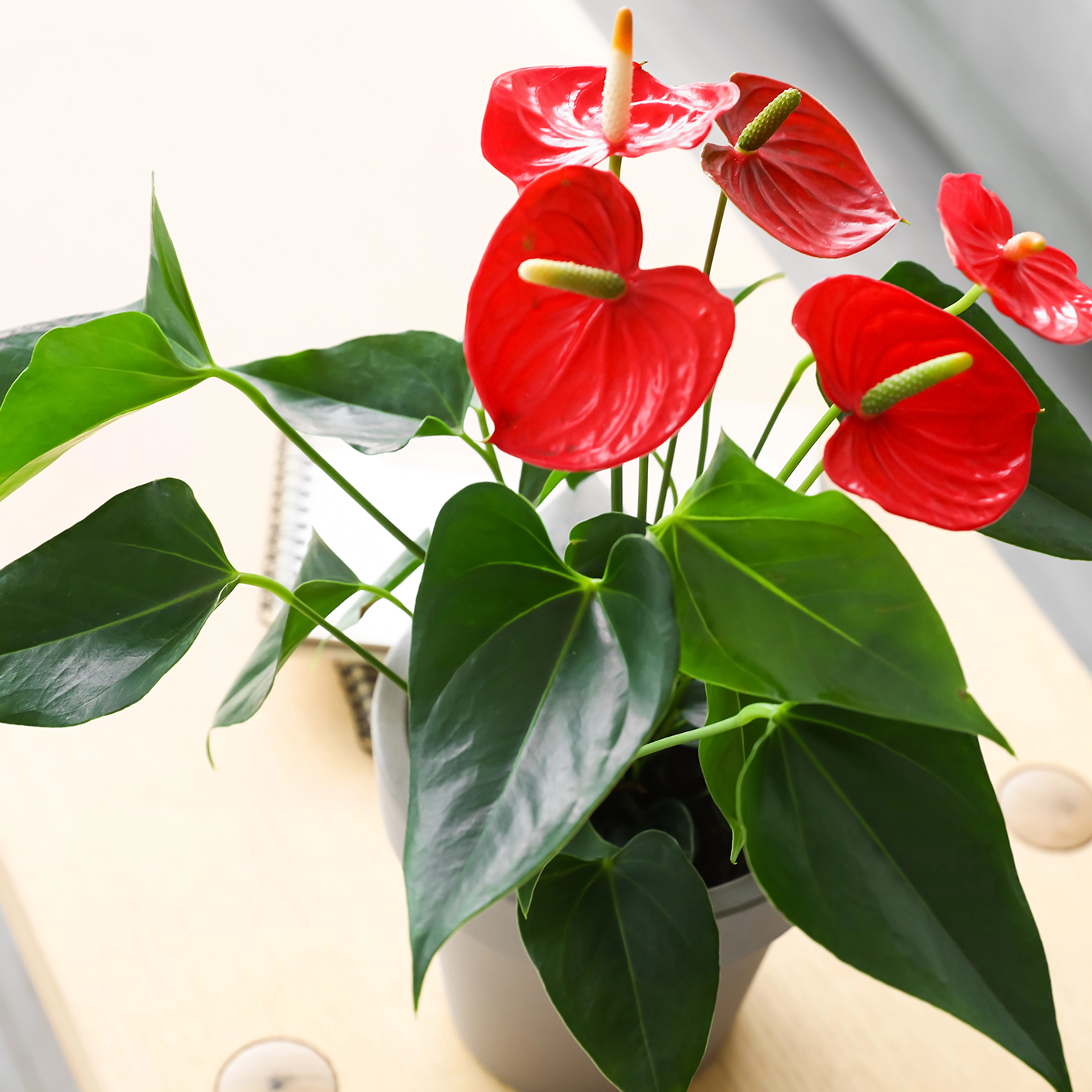
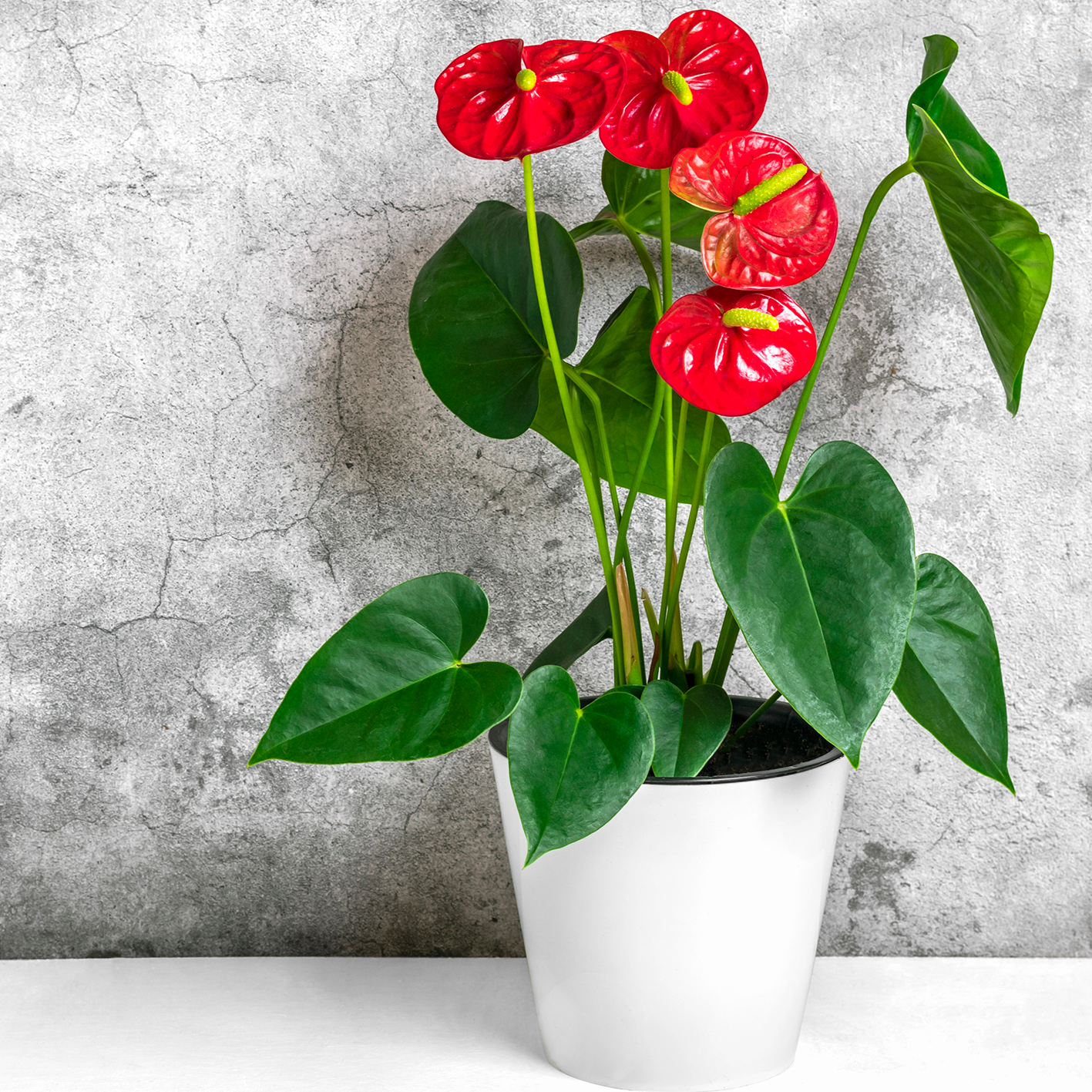
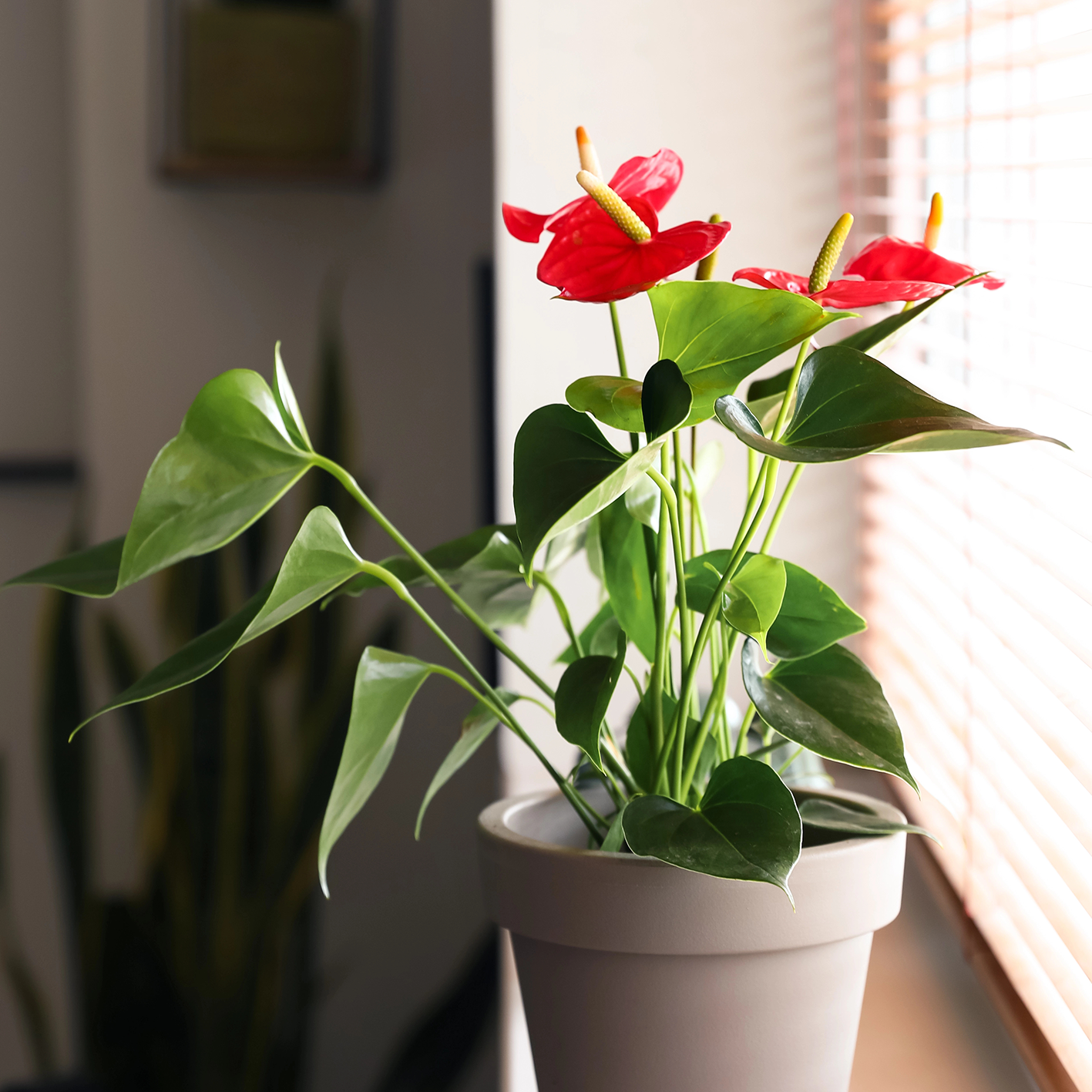
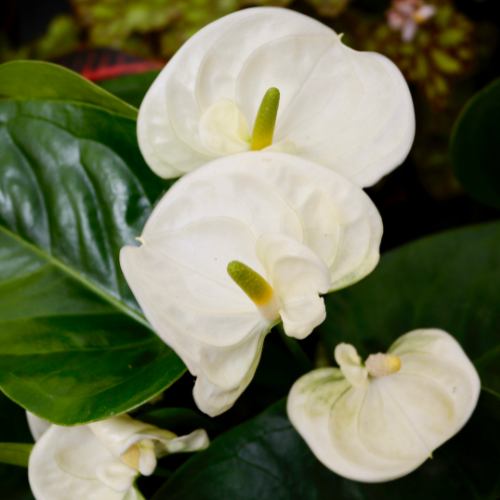
Anthuriums, with their thick, glossy leaves and dramatic spathes, easily add a tropical look and feel to any room. They are popular indoor plants, due to their long-lasting tropical blooms. Because anthuriums are native to tropical climates, they thrive in humidity, making your bathroom a potentially ideal location. Just ensure that your bathroom receives sufficient light to support your anthurium.
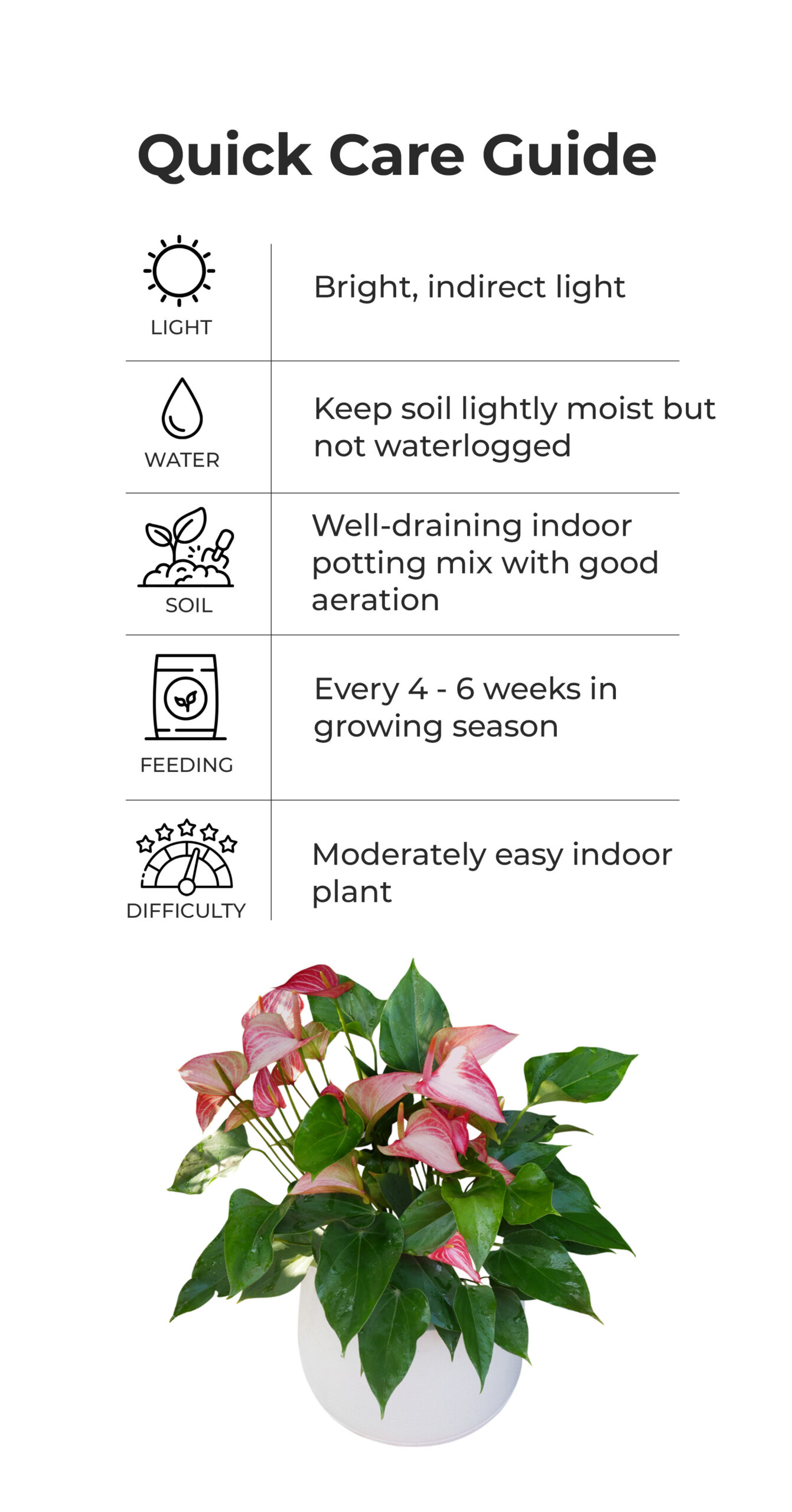
GUIDANCE FOR SUCCESSFUL INDOOR GROWING

Anthurium Growing & Care Guide

FAQ

Why are my Anthurium leaves turning yellow?

Yellow leaves are often caused by overwatering or poor drainage. Make sure the potting mix drains well and allow the top layer of soil to dry slightly between watering.

Why is my Anthurium not flowering?

Anthuriums need bright indirect light to produce flowers. If the plant is kept in low light, it may grow leaves but produce fewer blooms.

Should I mist Anthuriums?

Anthuriums enjoy humidity. Occasional misting or placing the pot on a pebble tray with water can help create a more humid environment.

Where Anthuriums Work Best Indoors?

Living room side tables, bright office desks, dining room consoles, bedrooms with bright natural light, bathrooms with good natural light and humidity, sheltered, shady patios or verandahs.

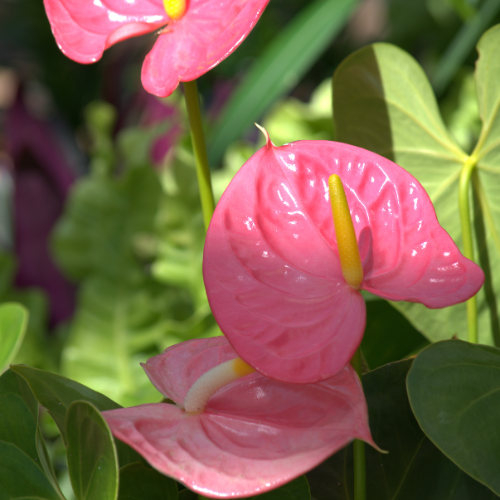
Light

Anthuriums prefer a warm, well-lit environment indoors. The more light these plants receive, the more flowers they produce. However, they should never be exposed to direct sunlight. Filtered light is preferable. If your anthurium isn’t blooming or appears to be struggling to grow, it may be lacking in light. Consider moving it to a brighter location.

WATER

While these tropical plants enjoy humidity, don’t confuse it with their water requirements. You can increase humidity by misting these plants frequently, placing a tray of moistened pebbles beneath the plant’s saucer, or placing them in a bright shower or bathroom. Anthuriums require moist, but not wet, soil. Take care not to overwater these plants. If they receive too much, they will slump. Allow the soil to dry out between waterings, and only water when the top quarter of the growing medium in the pot is dry.

SOIL

Anthuriums prefer potting soil that is coarse and well-draining. An orchid mix with added sand and peat moss makes an excellent potting mix for anthuriums. In their natural environment, anthuriums absorb water from the air or from damp bark or moss.  They dislike having their roots sit in sludgy, clinging soil.

FERTILISER

Only fertilise your anthurium plants during the growing season, which is in the spring and summer. Apply a phosphorous-rich fertiliser, such as a 10:30:20 ratio, every four to six weeks. Before applying the fertiliser, dilute it to one-quarter strength. Fertilising too much is worse than not enough, so feed your anthurium sparingly.

REPOTTING

Repotted anthuriums should be done every two to three years, or when they outgrow their current pot. When possible, wait until the plant’s new growth begins in the spring before repotting. A severely root-bound anthurium, on the other hand, should be repotted as soon as possible. When repotting anthuriums, some wilting occurs, so don’t be concerned if your plant isn’t completely happy for a few days. It should perk up quickly.

COMMON ISSUES

  • Overwatering can cause leaves to slump or yellow, while insufficient light often results in poor flowering or slow growth.
  • Cold draughts and direct sunlight may also stress the plant. Adjusting placement, improving drainage, and allowing the soil to dry slightly between waterings usually resolves these problems quickly.

SPECIAL NOTES

Anthuriums are long-lasting indoor plants that thrive in warm, humid environments. They absorb moisture from the air, so regular misting or placing them in naturally humid rooms can encourage healthier growth and better flowering. 

 
DISCLAIMER:  (Note: The information provided in this article is based on general guidelines for cultivating Anthuriums. Individual plant care may vary, so always observe your plant’s specific needs and adjust your care accordingly.)
The information presented on this website is intended solely as a general guide. We neither endorse specific plant varieties over others nor claim expertise in stock performance. All information is believed to be accurate, based on private inquiries and experiences, and is provided in good faith. Blackwood’s, including its employees, disclaims any responsibility for harm, loss, cost, or damage arising from the use or reliance upon any information on this website, especially if any part of the information proves to be inaccurate or incomplete. Please note that the displayed photos are not representative of current stock but are used for illustrative purposes only.