July

July in the Garden

July is the heart of winter in the garden. Cold temperatures and dry conditions keep growth slow and subdued. This is an ideal time to focus on pruning, planting winter crops and preparing your garden for the coming spring.

July Quick Tips:

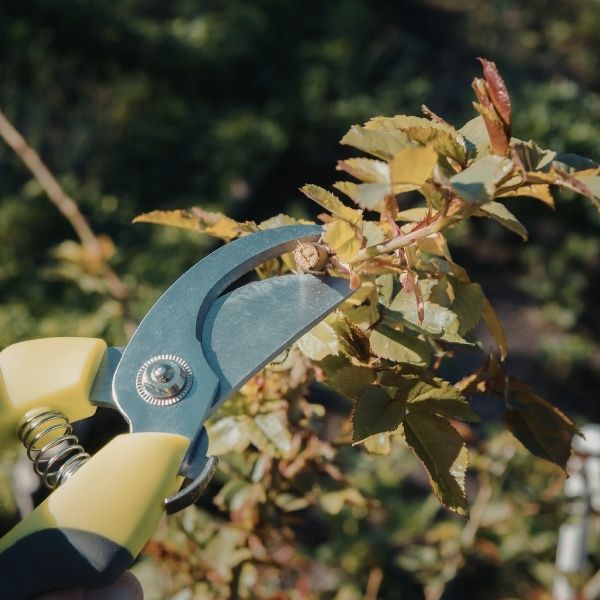
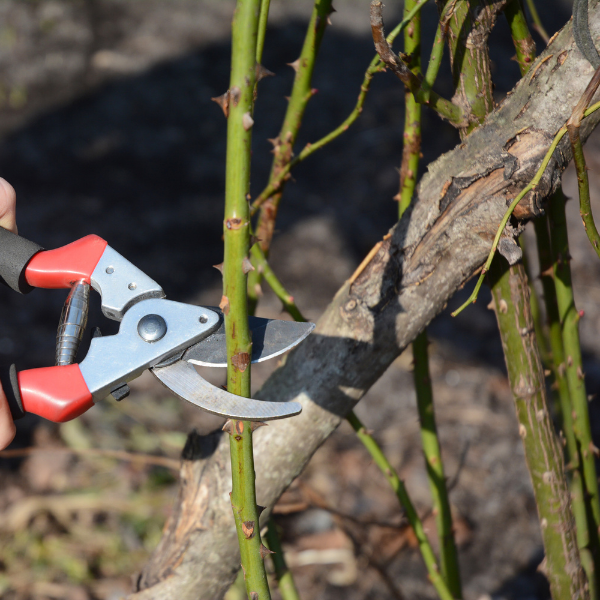
Prune Roses & Fruit Trees

Mid-winter is the ideal time to prune deciduous fruit trees and roses while they are fully dormant, encouraging strong spring growth.
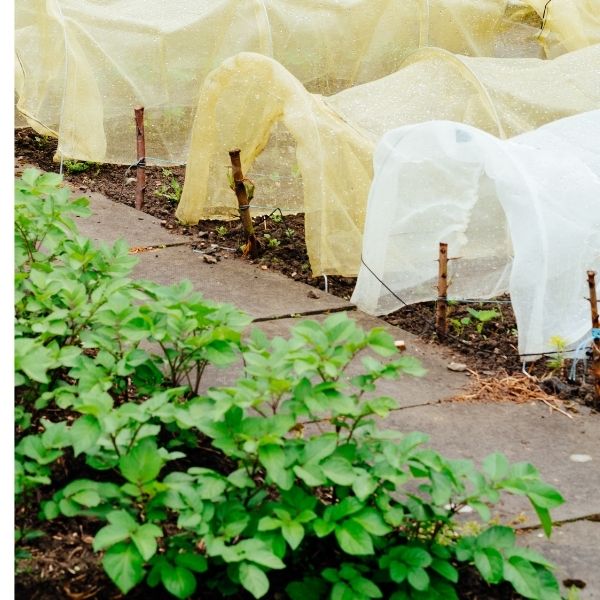
Protect Against Frost

Keep frost covers handy and protect sensitive plants on very cold nights, especially in inland areas.

Garden Maintenance

Take advantage of the quieter season to repair, paint, and maintain fences, trellises, and garden furniture.
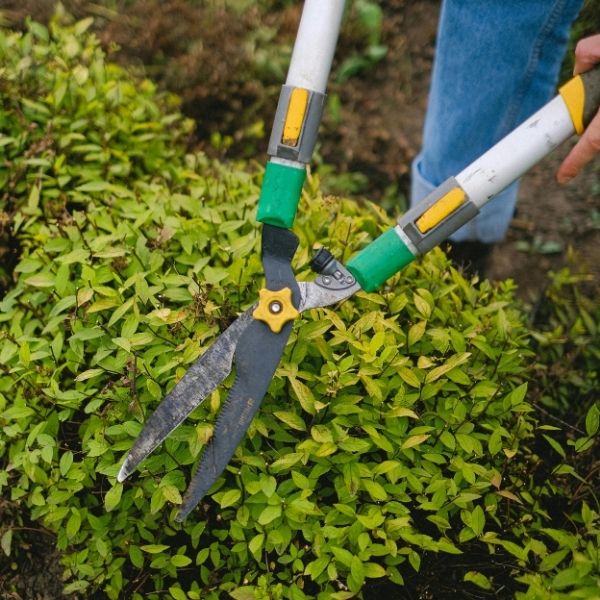
 

Clip Garden Hedges

It’s an ideal time to neaten and tidy formal or clipped hedges. Prune them back to size and shape before spring growth commences.
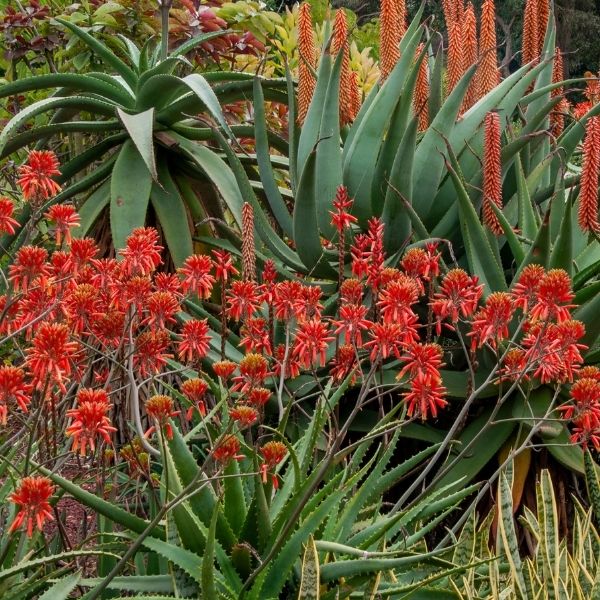
Aloes & Succulents

It’s a great time to purchase new aloes for the garden while they’re in bloom. It makes selection that much easier.  Succulents are in their prime and also ready for planting into the garden or pots and containers.

Top Garden Jobs in July:

July is mid-winter in the garden, with cold, dry conditions and very little active growth. While the garden may seem quiet, this is one of the most important months for preparation. The work done now lays the foundation for a healthy, productive spring.

Prune deciduous fruit trees and roses:  With plants fully dormant, this is the ideal time to prune. Remove dead or overcrowded branches and shape plants to encourage strong, healthy growth in spring.

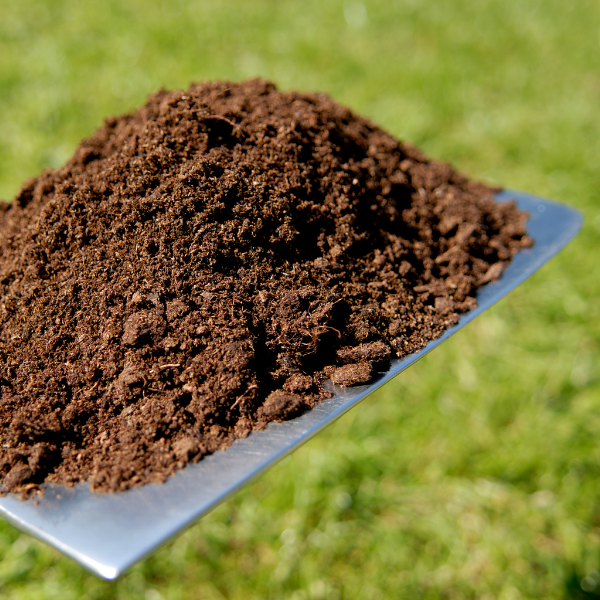
Prepare and improve your soil:  Add compost, kraal manure, or organic matter to garden beds. This allows nutrients to break down and enrich the soil ahead of the growing season.

Protect plants from frost:  Keep frost protection on hand for sensitive plants. Move containers to sheltered spots and cover vulnerable plants during cold snaps.

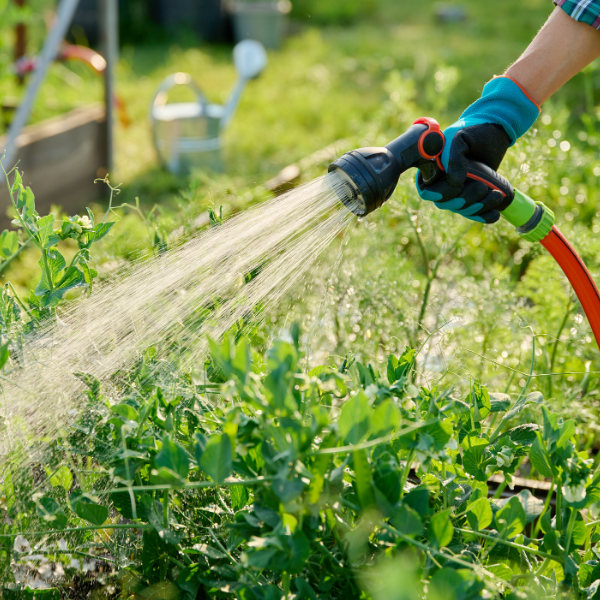
Keep watering when needed:  Although growth is slow, plants still need moisture. Water deeply during dry spells, particularly for newly planted items and winter vegetables.

Water winter rainfall plants:  Like proteas and their many relatives. It’s also a good time to purchase and plant out young plants of proteas and other types of Cape fynbos.

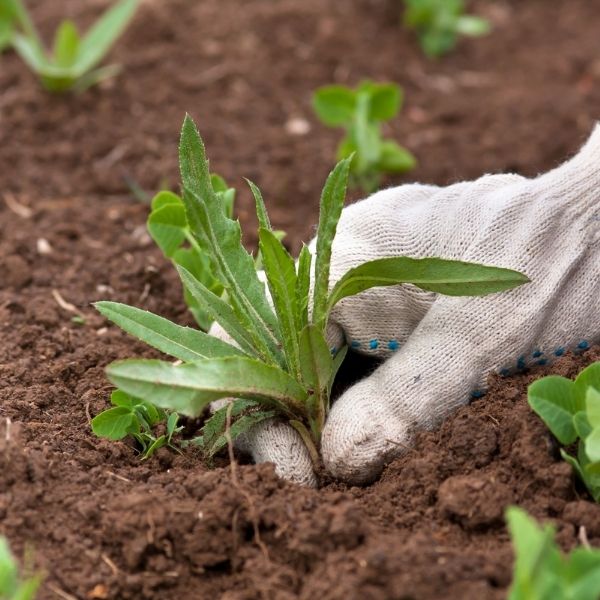
Control weeds early:  Winter weeds may grow slowly, but removing them now prevents them from seeding and spreading in spring.

Seasonal fillers for planting now:  Osteospermums, argyranthemums, pelargoniums, petunias, calibrachoas.

Plan your spring garden:  Use this quieter time to plan new plantings, refresh beds, and decide what you’d like to grow in the coming season.
What to Plant in July:

Planting the right plants at the right time is the secret to a thriving garden. Each month offers wonderful opportunities to add colour, flavour and fresh growth to your garden. Here are some of the flowers, vegetables and herbs that grow well when planted this month.

Flowers

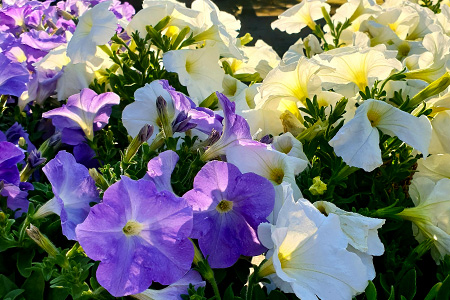
Petunias

Flowers (Seedlings)

  • Alyssum – Low-growing, fragrant flowers perfect for edging and filling gaps in beds and borders.
  • Brachyscome – Compact, daisy-like flowers in soft shades, ideal for adding colour to borders and containers.
  • Calendula – Easy-to-grow, cheerful blooms that brighten beds and containers in cooler months.
  • Dianthus – Neat, compact plants with colourful flowers, perfect for borders and pots.
  • Nemesia – Delicate, long-flowering plants with vibrant blooms, ideal for sunny beds and containers.
  • Pansy – Classic cool-season flowers that bring bright, bold colour to beds and containers.
  • Petunia – Showy, long-flowering blooms that perform well in sunny spots.
  • Primula – Excellent for shady areas, providing soft, long-lasting colour in cooler weather.
  • Snapdragons – Upright spikes of colourful flowers that thrive in cooler conditions.
  • Verbena – Long-flowering, sun-loving plants that attract pollinators and add colour to beds and pots.

Flowers (Seeds)

  • Alyssum – Easy-to-grow, low-growing flowers with a sweet fragrance, perfect for edging and filling gaps.
  • Calendula – Cheerful, hardy blooms that are simple to grow and brighten beds and containers.
  • Poppy – Delicate, eye-catching flowers that add a soft, natural feel to beds and wildflower plantings.
  • Sweet Pea – Climbing plants with beautifully scented flowers, ideal for trellises, fences, or pergolas.
  • Verbena – Free-flowering plants that add long-lasting colour and attract pollinators to the garden.

Vegetables

Spinach

Vegetables (Seedlings)

  • Beetroot
  • Broccoli
  • Cabbage
  • Cauliflower
  • Kale
  • Lettuce
  • Onion
  • Spinach
  • Swiss Chard

Vegetables (Seeds)

  • Broad Beans
  • Carrots
  • Lettuce
  • Peas
  • Radish
  • Spinach
  • Turnip


Herbs

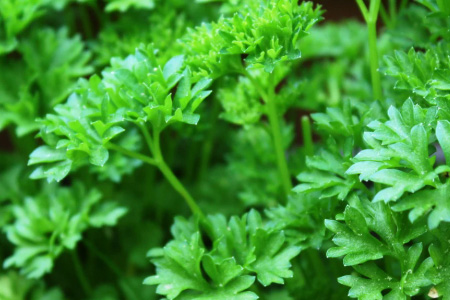
Parsley

Herbs

  • Chives
  • Coriander
  • Garlic
  • Oregano
  • Parsley
  • Rosemary
  • Sage
  • Thyme
  • Coriander
  • Fennel
  • Mint
  • Oreganum
  • Thyme

Winter Stars in the Garden

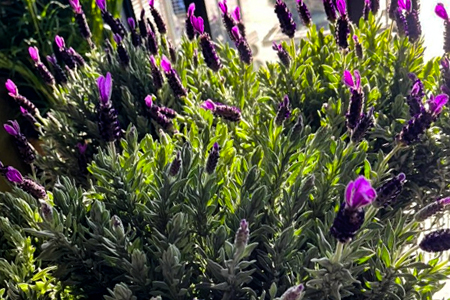
Fragrant, silvery foliage with distinctive purple flower heads, ideal for sunny spots and attracting pollinators.

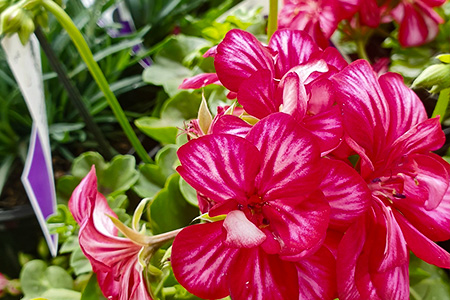
Indigenous, sun-loving plants with bright, cheerful blooms that provide reliable colour through the cooler months.

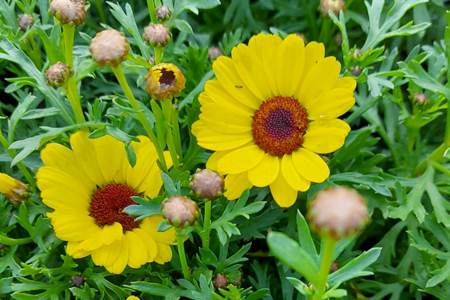
Free-flowering plants with masses of daisy-like blooms, bringing bright colour to beds, borders and pots in winter.

Compact, daisy-like flowers in soft shades, perfect for adding colour to borders, containers, and hanging baskets.

Problems to watch for in the Garden in July

Cold, dry mid-winter conditions keep most garden problems to a minimum, but a few issues can still affect plants during this time.

If you’re dealing with pests, diseases, or garden challenges, our knowledgeable team at your nearest Blackwood’s is here to help. We can advise on a range of solutions to suit your garden, from natural and organic options to safe chemical approaches, so your plants can thrive.

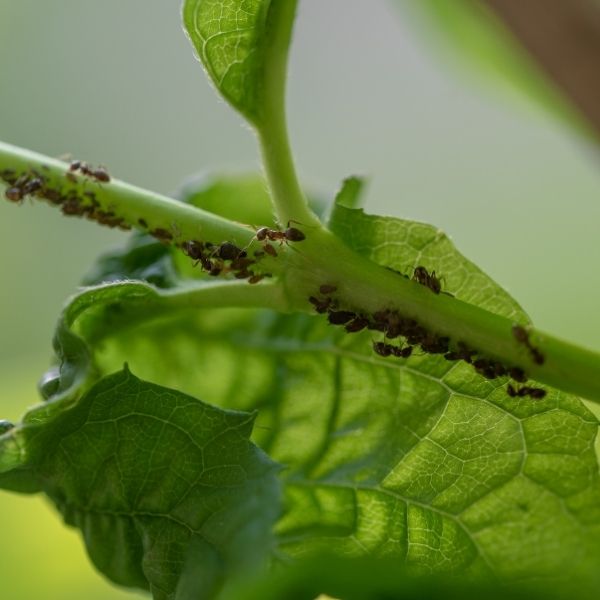
Aphids: These pests may still appear on winter vegetables and new growth, especially during milder spells. Check plants regularly.

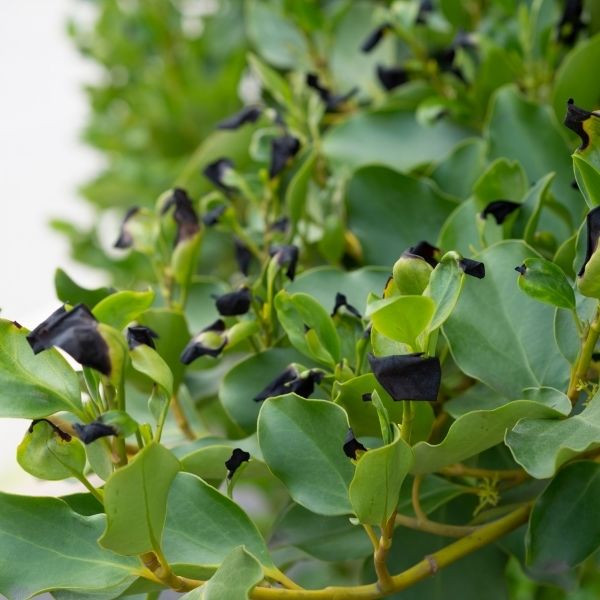
Cold and frost damage: Heavy frost in colder areas can damage tender plants, while cold winds can stress sensitive species. Protect vulnerable plants where possible.

Dry soil: Winter rainfall is often low, and combined with dry air, soil can become very dry. Water plants occasionally to prevent stress.

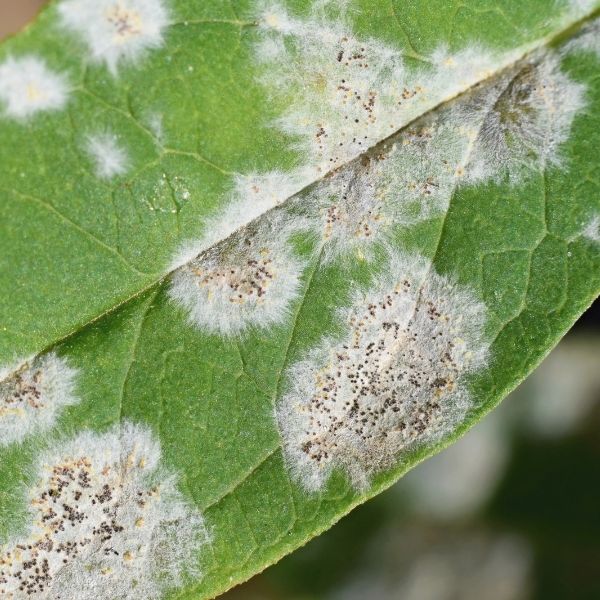
Fungal diseases: Cool, moist conditions can lead to issues like leaf spot and mildew, particularly where airflow is poor.

Mealybugs: These cottony pests may appear on indoor or sheltered plants, feeding on sap and weakening growth.

Overwatering and poor drainage: Slower growth means plants need less water; waterlogged soil can lead to root problems.

Scale insects: Sap-sucking pests that can be more noticeable in winter on stems and leaves of shrubs and indoor plants.

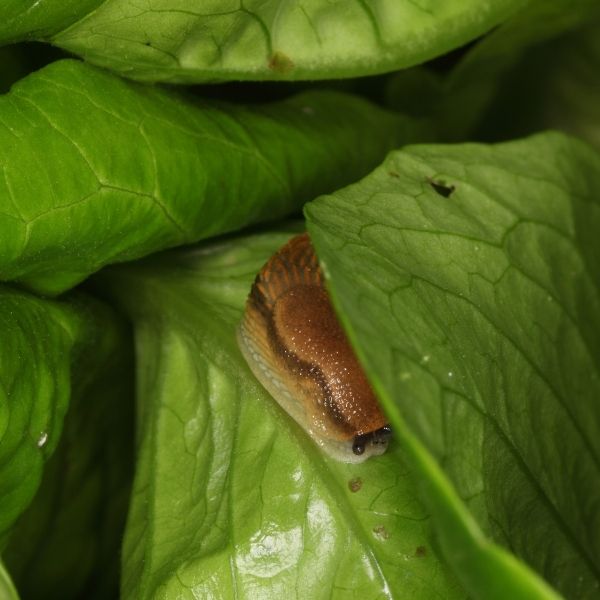
Slugs and snails: Active in damp, sheltered spots, feeding on young seedlings and leafy greens.

Weeds: Winter weeds continue to grow slowly and can establish if left unchecked.

CALLUM
BLACKWOOD’S
HILTON

Gardening Tip from the Blackwood’s Team:

July is prime time for pruning in the garden, but it’s important to know which plants to leave alone.

Many spring-flowering shrubs such as hydrangeas, weigelas, deutzias and philadelphus should not be pruned in winter, as they have already set their flower buds. Pruning now will remove these buds and reduce or even prevent their spring display. Rather wait until just after flowering to trim and shape these plants.  If in doubt, just chat to our team for assistance.

DISCLAIMER:  The information presented on this website is intended solely as a general guide. We neither endorse specific plant varieties over others nor claim expertise in stock performance. All information is believed to be accurate, based on private inquiries and experiences, and is provided in good faith. Blackwood’s, including its employees, disclaims any responsibility for harm, loss, cost, or damage arising from the use or reliance upon any information on this website, especially if any part of the information proves to be inaccurate or incomplete. Please note that the displayed photos are not representative of current stock but are used for illustrative purposes only.