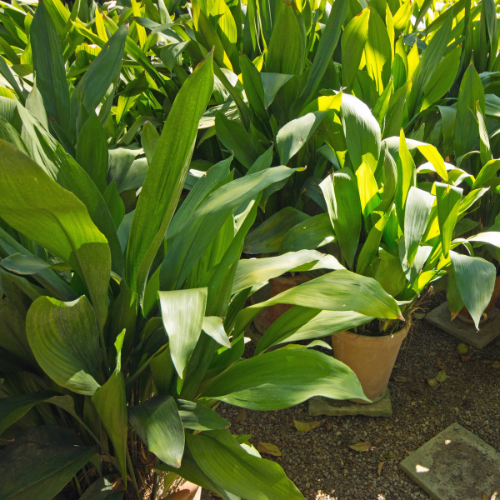
Aspidistra elatior or Cast Iron Plant

Aspidistra elatior (Cast Iron Plant)

A tough, dependable indoor plant admired for its broad, glossy leaves and low-maintenance nature

Thrives in Low, Medium
and Bright Light

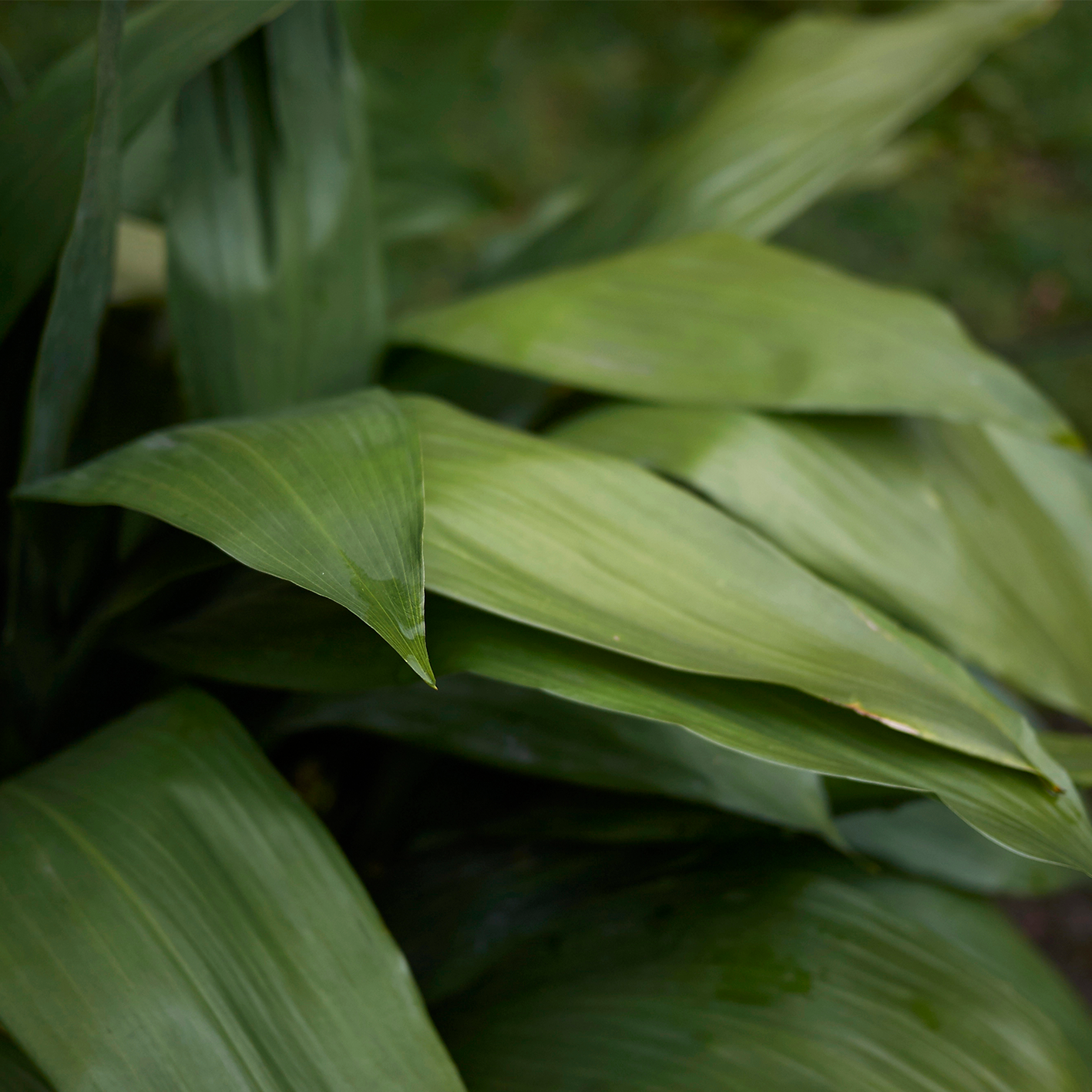
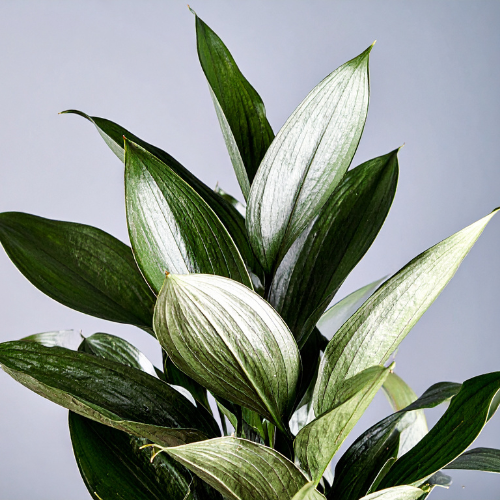
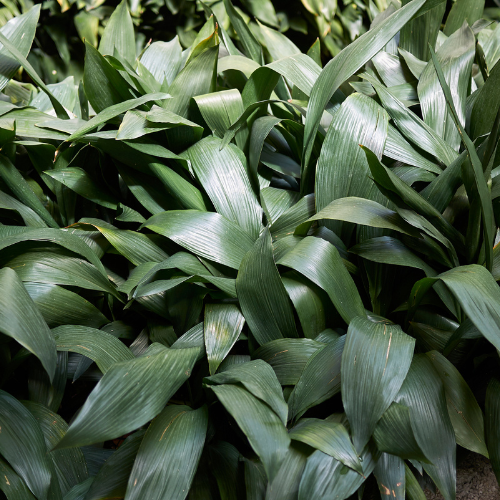
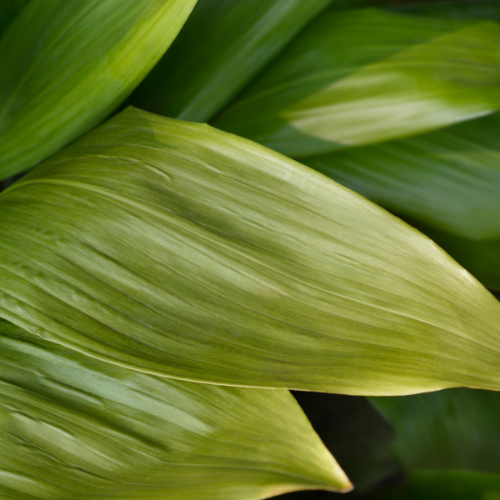
Clump-forming perennials known for their attractive paddle-shaped, dark green opulent leaves.  They can tolerate conditions such as low light & temperatures, dust accumulation and other adverse conditions.  This makes them a much-loved option for indoor greenery.  
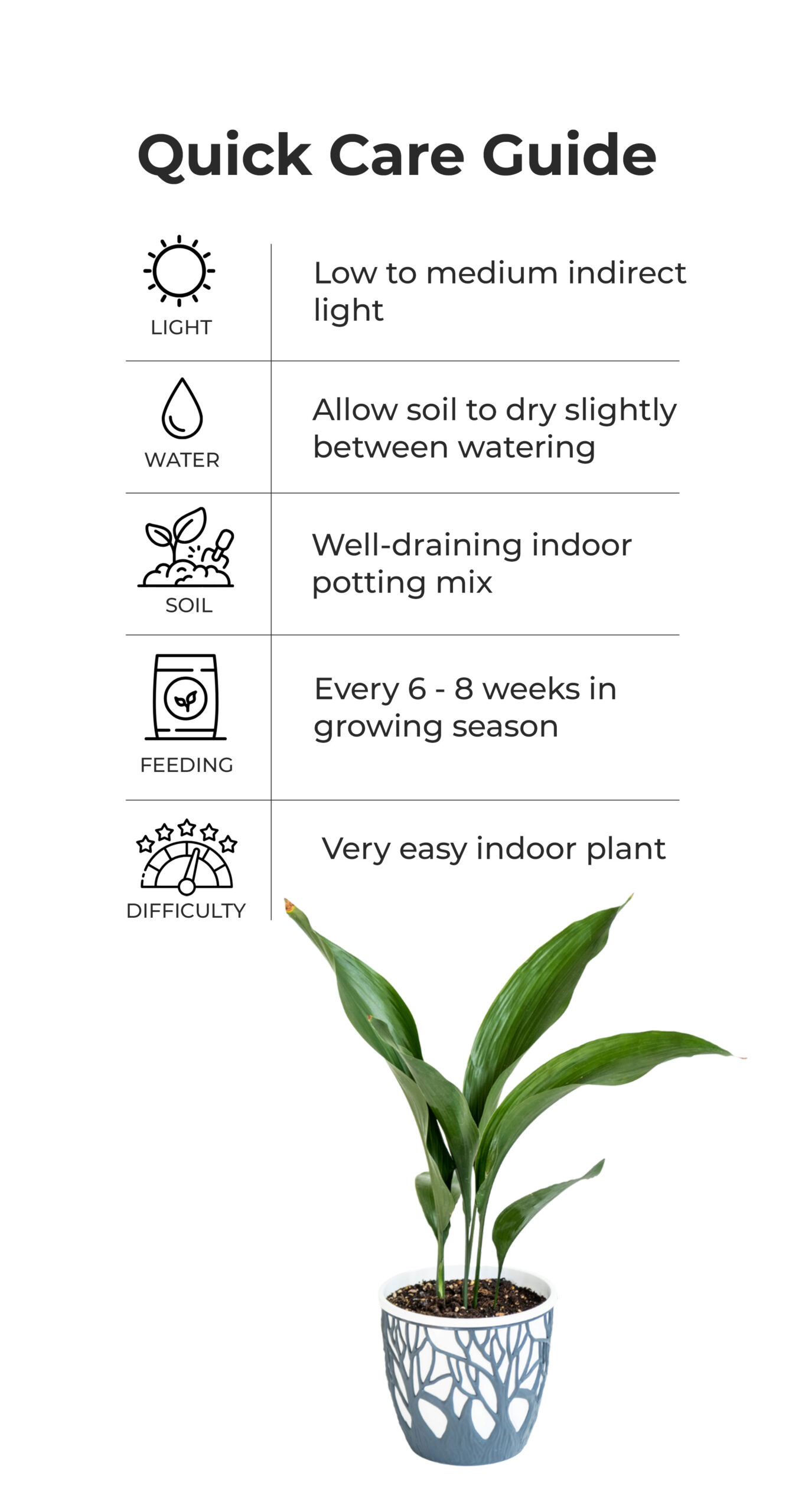
GUIDANCE FOR SUCCESSFUL INDOOR GROWING

Aspidistra elatior Growing & Care Guide

FAQ

Why are the tips of my Aspidistra leaves turning brown?

Brown leaf tips can be caused by very dry air, inconsistent watering, or a build-up of salts from fertiliser. Trim damaged tips and water consistently.

Can Aspidistras grow in low light?

Yes. Aspidistras are famous for tolerating low light, which is why they are often called the Cast Iron Plant. They are ideal for rooms with limited natural light.

Why are my Aspidistra leaves turning yellow?

Yellow leaves are usually a sign of overwatering. Allow the soil to dry slightly before watering again and make sure the pot drains well.

Where do Aspidistras Work Best Indoors?

Shaded living room corners, hallway tables, bedrooms with soft natural light, offices with low light, entryways and foyers, covered patios or verandas with shade.

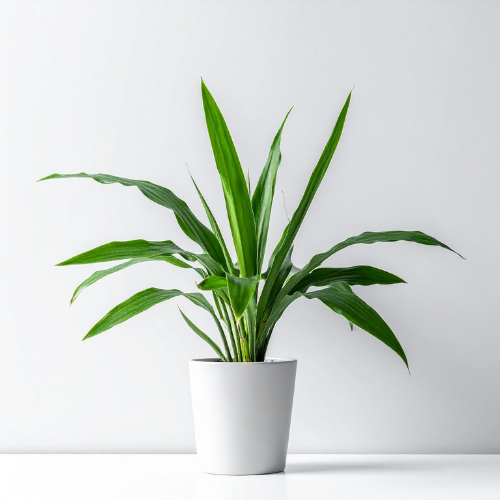
Light

Keep aspidistras away from direct sunlight, which can bleach and burn the leaves.   They don’t require much light or aeration, tolerating pretty much any light they’re given.  This makes them great beginner plants or plants for rooms with low light.

WATER

While these plants have some drought tolerance, they do like a moderate amount of moisture in the soil, so look at watering once a week or when the top of the soil is dry.  Just remember, the lower the light, the less often a cast-iron plant needs to be watered.

SOIL

Cast-iron plants tolerate a wide range of soils, as long as they have good drainage. They prefer organically rich soil.  For container plants, simply use a standard quality potting mix.

FERTILISER

Fertilise with an all-purpose fertiliser once a month from spring through summer.  Fertilising during autumn and winter is not necessary.

REPOTTING

This should be done every four to five years or once the plant has outgrown the pot and the roots grow over the edge of the pot.  Aspidistras don’t take well to root disturbances. When re-potting, choose a new pot that is only about 3cm to 5cm larger than its existing one. Transfer the plant from one pot to another with minimal disturbance of the roots, unless root-bound.  If this is the case, tease a few roots loose. Backfill the pot with fresh soil and replace the plant in its original position.

COMMON ISSUES

  • Yellow or brown leaves: often from overwatering. Let soil dry more between waterings.
  • Brown tips: can be from low humidity, excess fertiliser or underwatering.
  • Pests (rare): spider mites or scale may appear . Wipe leaves with a damp cloth or use gentle insecticidal soap if needed.

SPECIAL NOTES

Affectionately called the Cast Iron Plant, aspidistra earns its name by being extremely resilient, tolerating low light, temperature changes and everyday life with very little fuss. Regular leaf cleaning helps keep it looking lush, and it’s a beautiful choice for beginners or low-maintenance spaces.

 
DISCLAIMER:  (Note: The information provided in this article is based on general guidelines for cultivating Aspidistras. Individual plant care may vary, so always observe your plant’s specific needs and adjust your care accordingly.)
The information presented on this website is intended solely as a general guide. We neither endorse specific plant varieties over others nor claim expertise in stock performance. All information is believed to be accurate, based on private inquiries and experiences, and is provided in good faith. Blackwood’s, including its employees, disclaims any responsibility for harm, loss, cost, or damage arising from the use or reliance upon any information on this website, especially if any part of the information proves to be inaccurate or incomplete. Please note that the displayed photos are not representative of current stock but are used for illustrative purposes only.