How to grow Citrus

Growing Citrus

Fresh, fragrant and wonderfully rewarding

Citrus trees are one of the most satisfying plants you can grow at home. From glossy green leaves and fragrant blossoms to fresh fruit, they offer beauty and productivity in equal measure. Citrus trees thrive with sunshine, good feeding and consistent care. Choose the right variety for your space and climate and you’ll enjoy homegrown fruit for years to come.
Get the 'Grow How'

Citrus trees love the sun and respond well to a little extra attention. With regular watering, proper feeding and good drainage, these trees will reward you with healthy growth, abundant flowers and reliable crops. The key is consistency. Citrus dislike extremes.
Planting Procedure
Fertilising and Care
Pests and Diseases
Garden Uses

THE BASICS:

Strong roots mean healthy trees. Plant citrus in a sunny, sheltered position with well-prepared soil, and avoid letting roots sit in water.

Quick Tips:
  • Plant in full sun for best flowering and fruiting
  • Ensure excellent drainage
  • Improve soil with compost before planting
  • Water deeply after planting to settle roots

  • Dig square planting holes one third deeper than the height of the nursery container and twice the width.
  • Add compost and superphosphate to the bottom of the dug hole at the recommended rates and mix them in with the soil.
  • Firm down the soil in the base of the hole to prevent post-planting subsidence.
  • Carefully remove the nursery pot or bag from the rootball of the tree and place the rootball into the hole.
  • The top of the rootball should be 2cm to 3cm above the surrounding soil level.
  • Fill in the soil around the rootball, firming down as the level rises, until it is level with the surrounds.
  • Create an irrigation basin with the remaining soil 30cm to 50cm away from the stem of the tree in a circle.  This prevents water from draining away.
  • Water in thoroughly, then check for further soil subsidence.  Top up soil if necessary.
  • Mulch around the tree, extending to the irrigation basin with pine bark or dry straw.
  • Check watering regularly to ensure that the young tree doesn’t dry out.
  • Insert a strong stake (wooden, bamboo or metal) next to the tree and tie the tree securely to the stake.
  • In extremely hot climates, young trees may need shade protection during summer to prevent sunburn to exposed stems.
  • Do not allow the soil to build up around the base of the stem.
  • In cold climates, young trees may require protection from the winter frost.

KEEP THEM HAPPY:

Citrus are hungry plants and feeding matters. Regular feeding is essential for good leaf colour, flower production and fruit development.

Quick Tips:
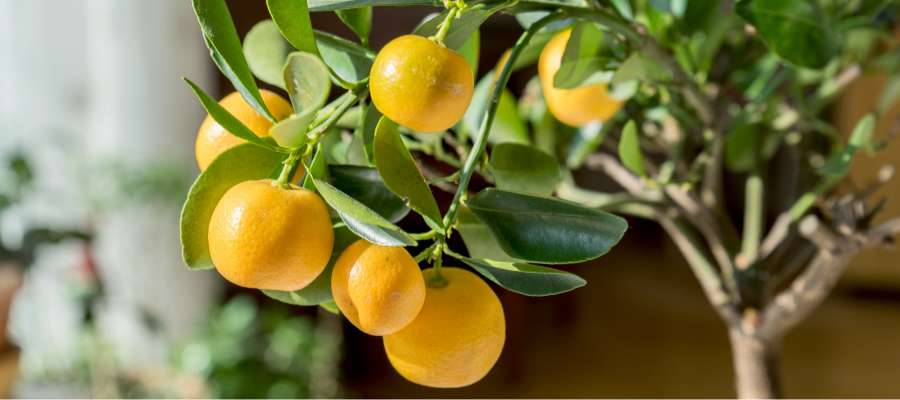
  • Feed regularly with a citrus-specific fertiliser
  • Water deeply and consistently, especially during flowering and fruit set
  • Mulch well to retain moisture and protect roots
  • Watch for nutrient deficiencies.  Yellowing leaves often signal feeding needs

  • Keep weed and lawn grass growth away from the citrus tree extending from the stem to the drip line (the imaginary line on the ground at the furthest edge of a tree’s canopy).  Surface roots are compromised by competing plant growth.
  • Maintain a mulch layer over the root zone.
  • Fertilise every 3 to 4 months with a balanced, blended plant food.  5:1:5 slow release nitrogen is recommended.  Apply at the recommended rate relative to the age and development of the tree.
  • Apply L.A.N. in early spring at the recommended rate.
  • Apply an annual application of Trelmix, either as a foliar spray or a soil drench in spring or summer.  This corrects trace element deficiencies.
  • Check plants regularly for rootstock re-growth (Rootstock is the base and root portion of grafted plant).  Cut out any rootstock growth immediately to prevent this from dominating the cultivated tree.
  • Citrus in pots or containers will need additional nutrition.  Use 2:1:2 water soluble plant food every 4 to 6 weeks for this purpose.
  • Citrus require little pruning.  Any growth that may cause the tree to look unbalanced or misshapen should be cut back.  Old, unproductive trees can be pruned back hard to rejuvenate them.


GOOD TO KNOW:

Early detection keeps problems manageable. Citrus can attract pests, but healthy, well-fed trees are far more resilient.

Quick Tips:
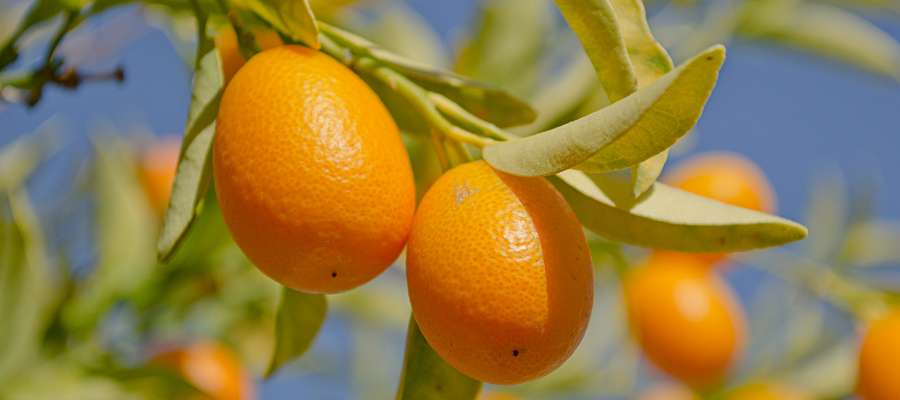
  • Check leaves regularly for aphids, scale and leaf miners
  • Treat pests early with appropriate control methods
  • Maintain good airflow around trees
  • Avoid overwatering, which can lead to root problems

  • Check stems, branches and leaves for citrus scale – tiny red to brown flaky insects.
  • Citrus psylla causes bumps on the upper surface of leaves.  Trees need to be sprayed with an insecticide when new leaf growth emerges.
  • Aphids are often found on new growth tips.
  • Poor drainage around the root zone can result in phytophthora, or root rot disease.  This is often detected by dead patches of bark on the stem or trunk close to the ground, exuding a gummy sap.
  • Black sooty mould occurs on leaves where honeydew is prevalent.  It’s usually secreted by aphids.  Treat the insect infestation.
  • Orange dog caterpillars feed on the leaves and can be damaging to young trees.
  • For further information and advice, call in at your nearest Blackwood’s.


GREAT FOR:

Citrus combines beauty with productivity. They work just as well as ornamental trees as they do productive ones.

Quick Tips:
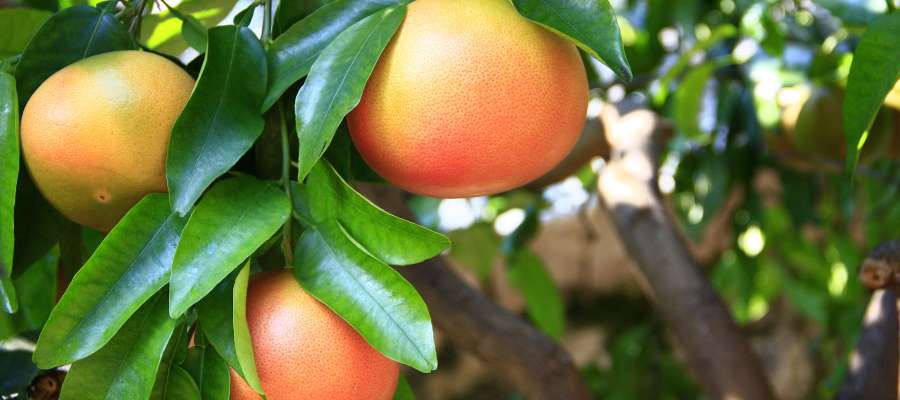
  • Grow as feature trees in the garden
  • Fragrant flowers attract pollinators

  • Plant citrus in fruit orchards or kitchen gardens
  • They are attractive in ornamental landscapes
  • Useful evergreen hedges – especially kumquats or Bearr’s limes
  • Great in pots or large containers, especially in formal garden styles
  • Fragrant blossoms enhance the garden ambience.


Shopping List

  1. Tools for preparing planting hole
  2. Pots or containers if needed
  3. Selected citrus plants
  4. Mulch for soil surface
  5. Compost and superphosphate
  6. Potting soil or growing medium
  7. Stake for tying the young tree
  8. Water or irrigation equipment

DISCLAIMER: 
 The information presented on this website is intended solely as a general guide. We neither endorse specific plant varieties over others nor claim expertise in stock performance. All information is believed to be accurate, based on private inquiries and experiences, and is provided in good faith. Blackwood’s, including its employees, disclaims any responsibility for harm, loss, cost, or damage arising from the use or reliance upon any information on this website, especially if any part of the information proves to be inaccurate or incomplete. Please note that the displayed photos are not representative of current stock but are used for illustrative purposes only.