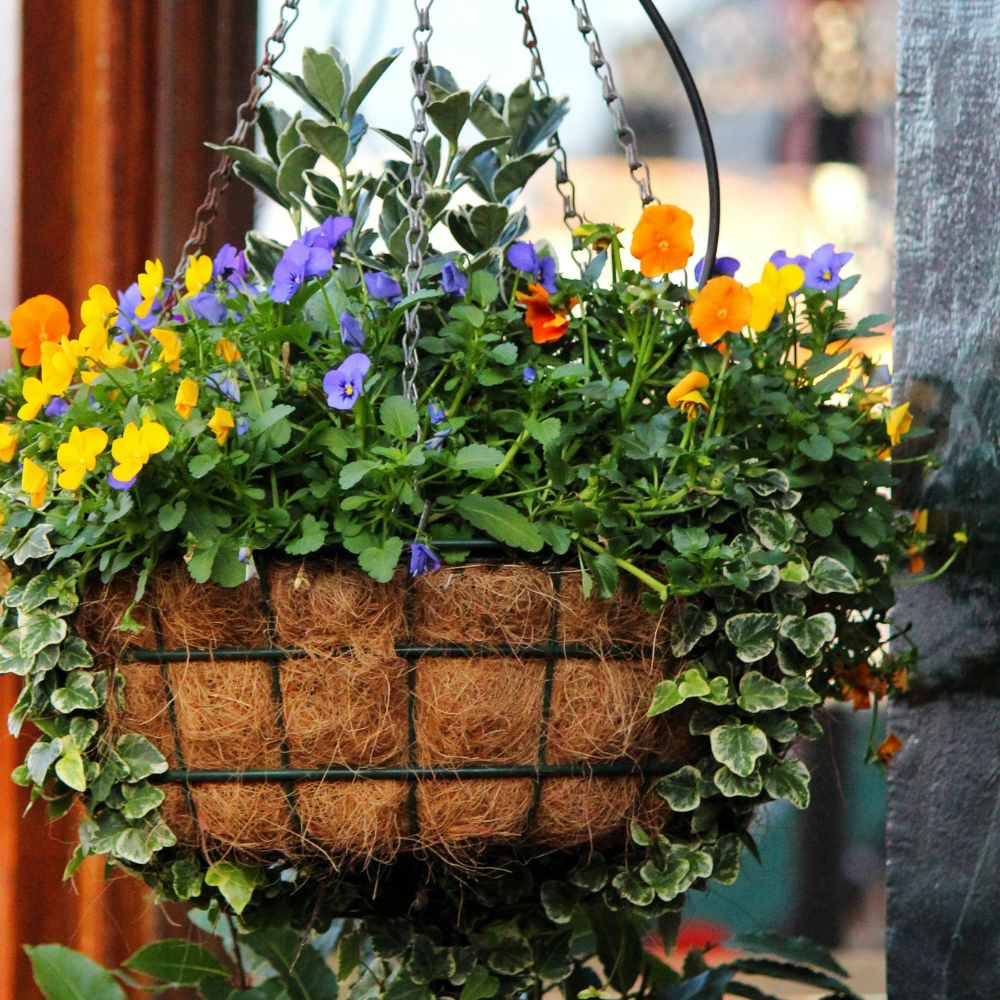
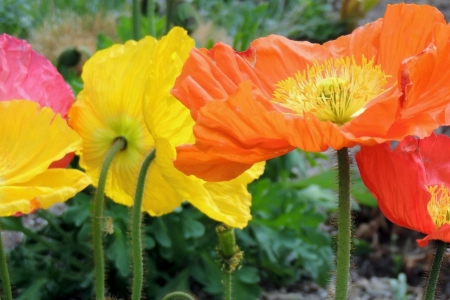
May is the perfect time to plant up mixed hanging baskets using a combination of annuals and perennials for long-lasting colour.
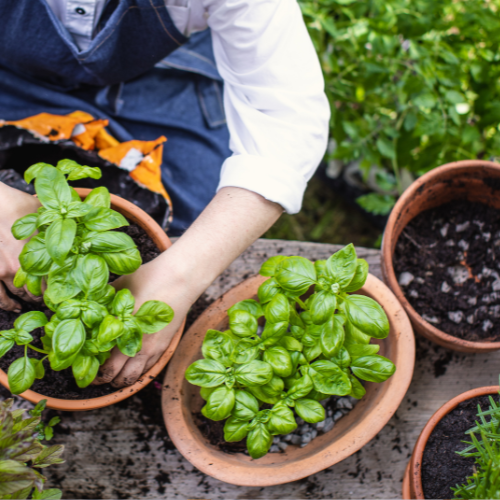
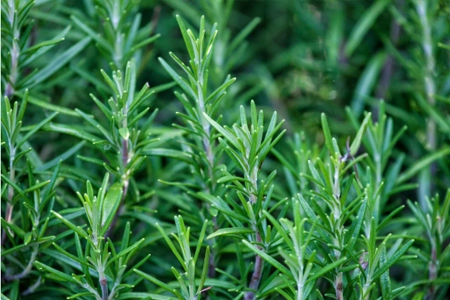
Herbs continue to grow well this month. Replace any old or unproductive plants to keep your harvest fresh and abundant.
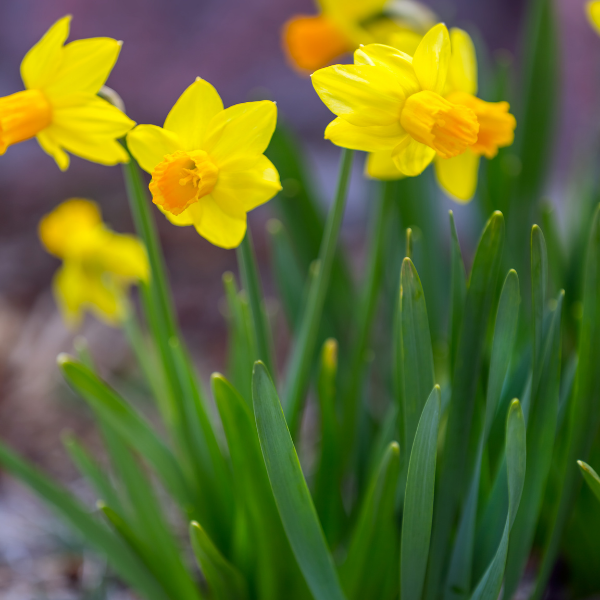
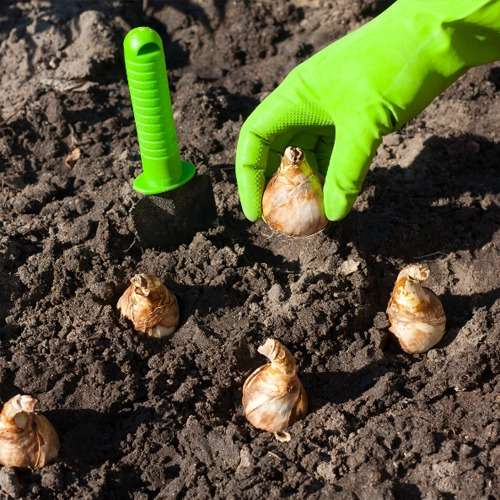
Plant daffodil, narcissus and tulip bulbs now. Lilium bulbs can also be planted during May and June for beautiful seasonal blooms.
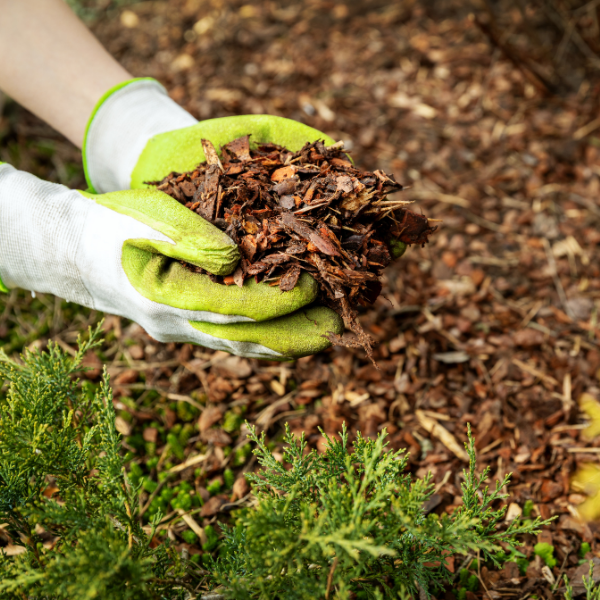
Apply a thick layer of mulch around shrubs, trees and beds to protect roots from upcoming cold spells, conserve moisture and suppress weeds.
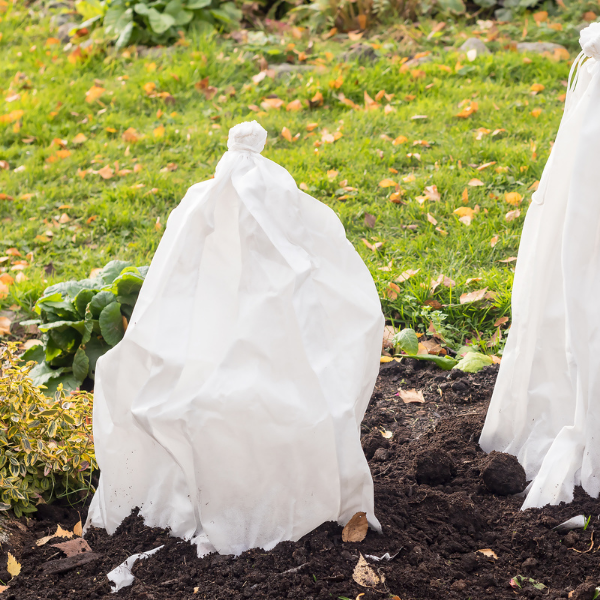
In colder areas, be ready for early frosts by keeping frost protection on hand for sensitive plants.
Plant spring-flowering bulbs: May is an ideal time to plant bulbs such as daffodils, freesias and hyacinths. Ensure they are watered well after planting so they establish before winter sets in.
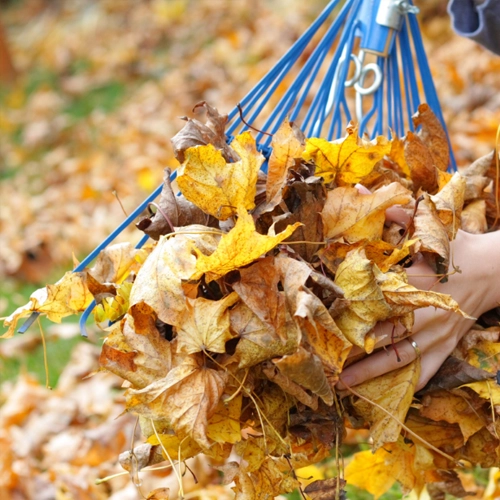
Tidy and clean the garden: Remove fallen leaves, old plant material and rotting fruit to reduce hiding places for pests like snails and to prevent disease carryover into winter.
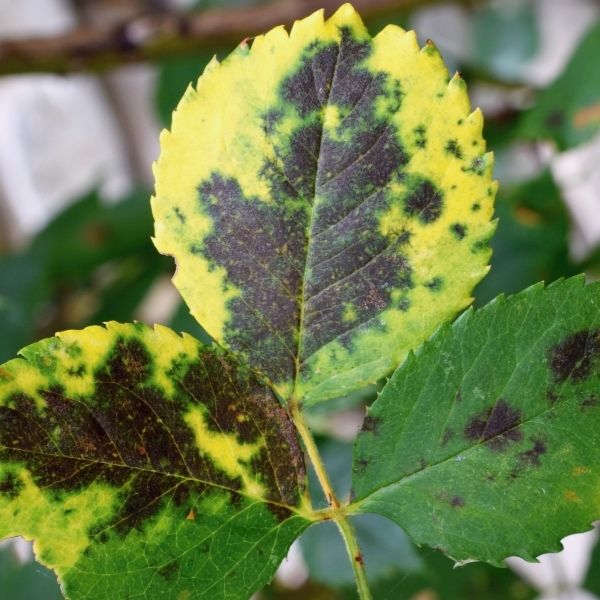
Care for roses and flowering shrubs: Reduce feeding as growth slows, but continue watering and monitoring for fungal diseases like black spot and mildew, which can increase in cooler conditions.
Protect plants from cold: Prepare for dropping temperatures by moving potted plants to sheltered areas and using frost protection where needed. Even in milder regions, occasional cold snaps can damage tender plants.
Mulch and conserve moisture: Apply mulch to beds to retain moisture, regulate soil temperature and protect plant roots during colder nights. Autumn leaves can be used effectively as mulch.
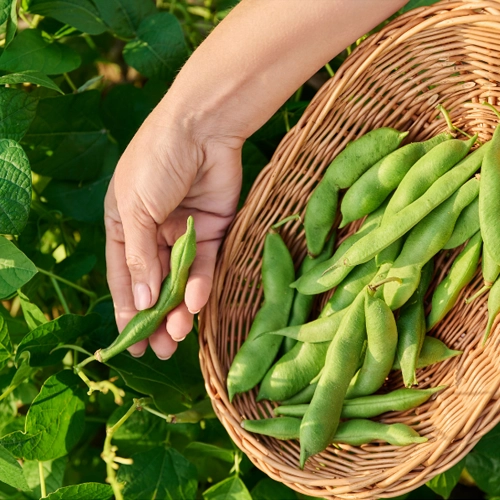
Harvest remaining summer crops: Pick the last of tomatoes, beans, cucumbers and peppers before plants decline. Clearing spent crops also helps prevent pests and diseases from overwintering in your beds.
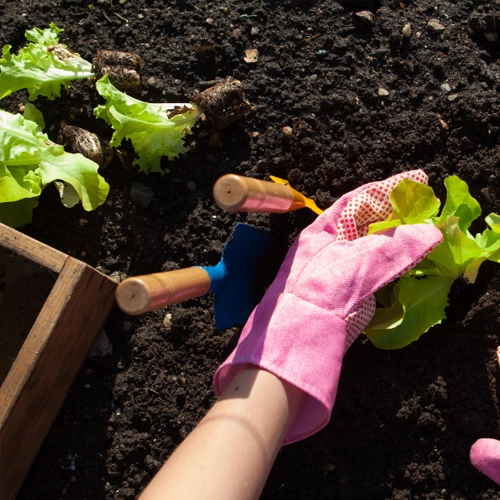
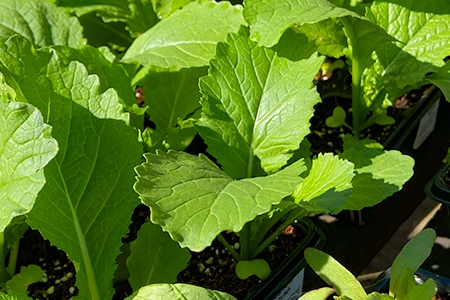
Plant winter vegetables and herbs: Continue sowing and planting cool-season crops like spinach, lettuce, peas and brassicas. In warmer areas like coastal KZN, there is still a good window for planting a wide range of vegetables.
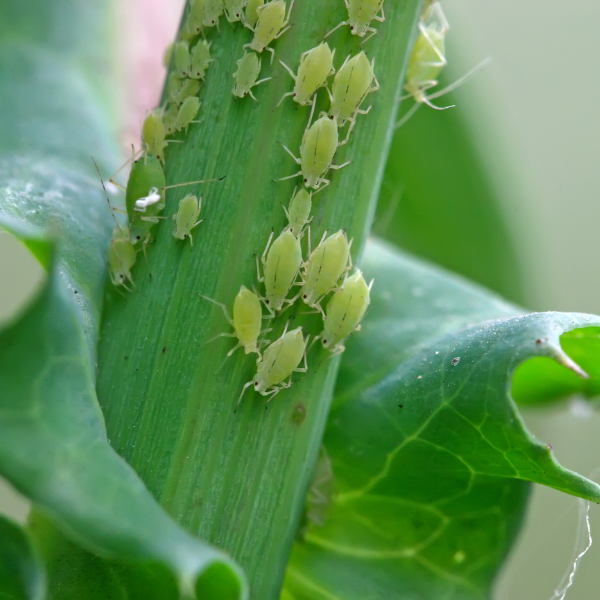

Aphids: Sap-sucking insects on new growth that can cause curling leaves and sticky residue; treat early.
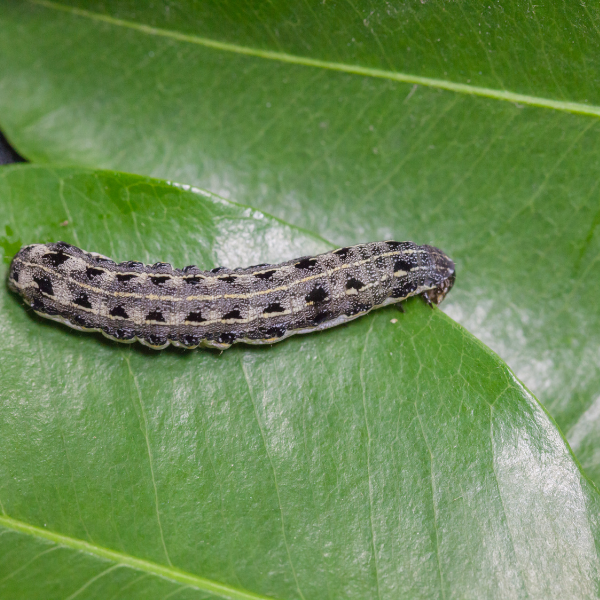
Caterpillars (including cutworms): Late-season feeders that chew leaves or cut seedlings at soil level; monitor and remove by hand if needed.
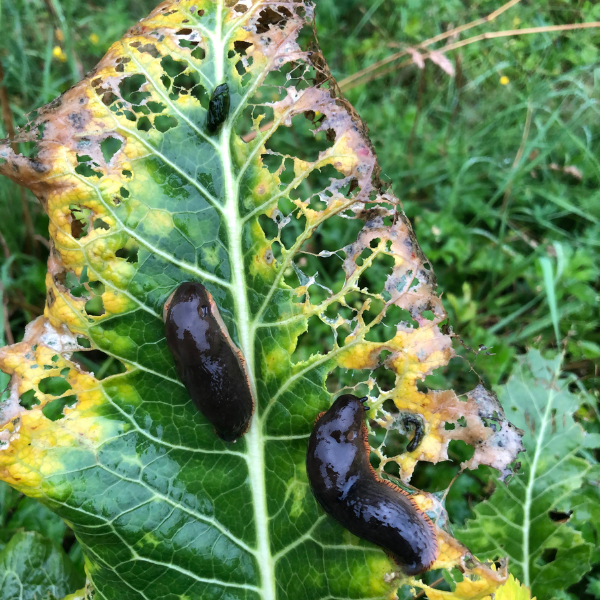
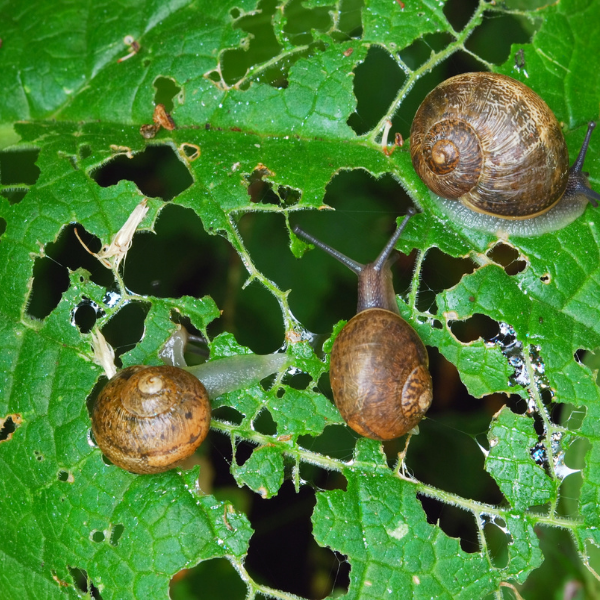
Snails and slugs: Feed on tender leaves and seedlings in damp spots; hide under mulch or debris during the day.
Fungal diseases (powdery mildew & damping off): White powdery coating on leaves or collapsing seedlings; ensure airflow and clean planting conditions.
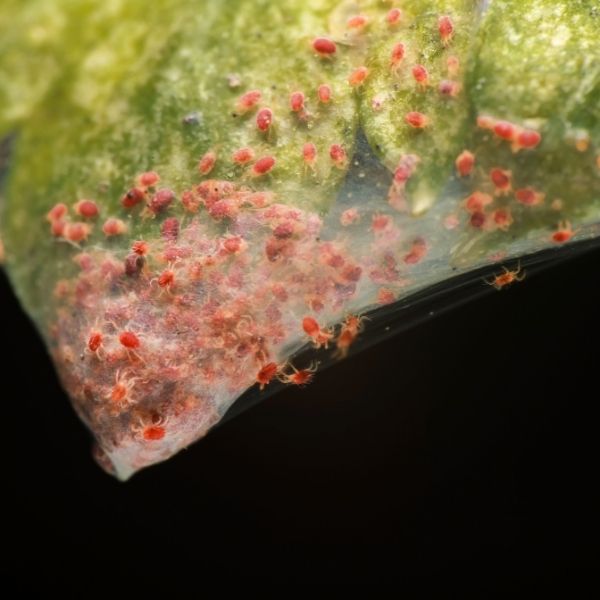
Red spider mites: Tiny pests that leave leaves speckled or dusty and can stress ornamentals in sunny spots.
Scale insects: Sap-sucking pests on woody shrubs and some ornamentals; check stems and leaf undersides for clusters.
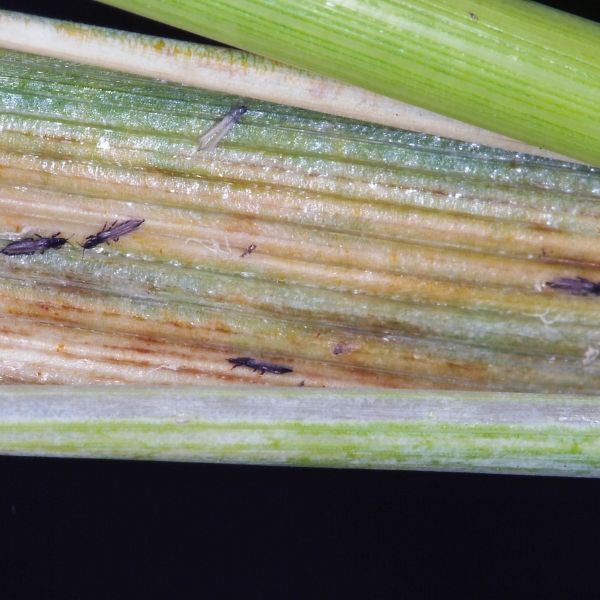
Thrips: Small insects that damage flowers and leaves, leaving silvery streaks and distorted blooms.
Leaf spot / rust: Fungal diseases on leaves, encouraged by cooler, damp conditions; remove debris to reduce risk.
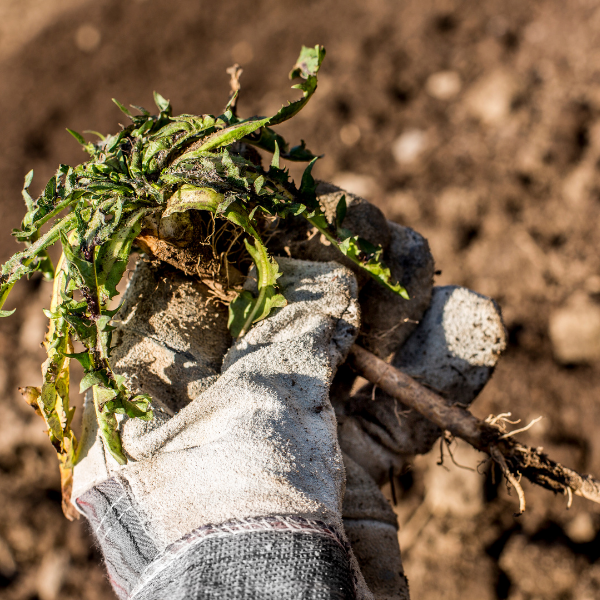
Weeds & overwintering pests: Pull weeds before they set seed, and clear fallen leaves or debris that can shelter pests through winter.