As summer plants begin to fade, tidy up beds by removing tired annuals and adding compost to improve soil for the next planting season.
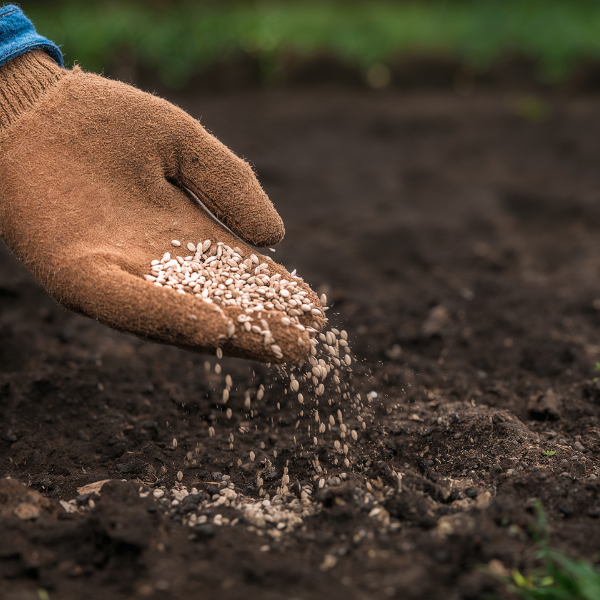
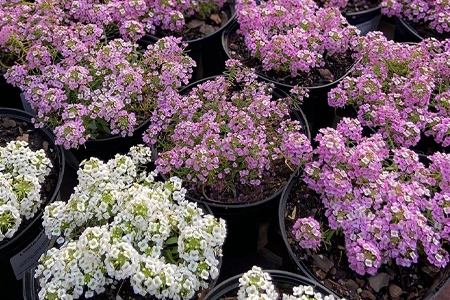
March is a great time to sow or plant vegetables and flowers that prefer cooler weather.
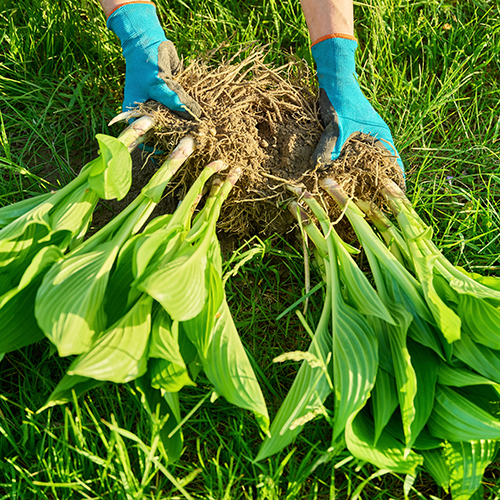
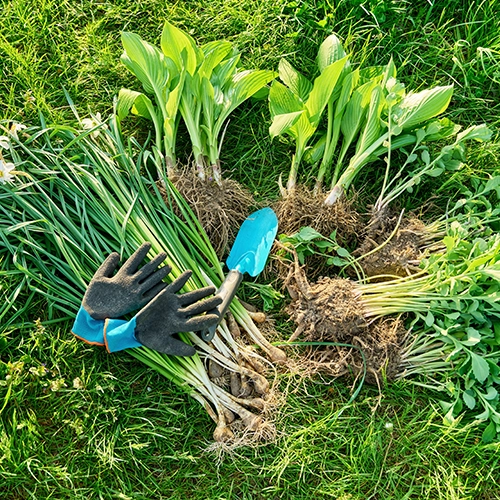
Many perennials benefit from being divided now, helping to rejuvenate plants and giving you extra to plant elsewhere in the garden.
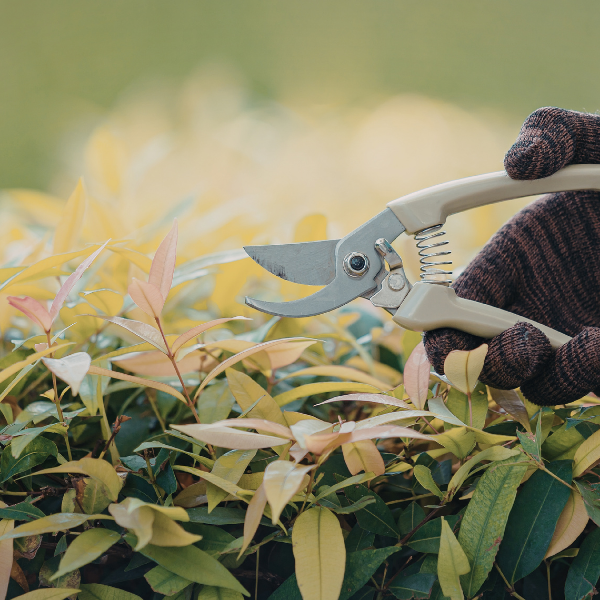
Removing spent flowers and lightly trimming plants keeps the garden looking neat and encourages continued blooming.
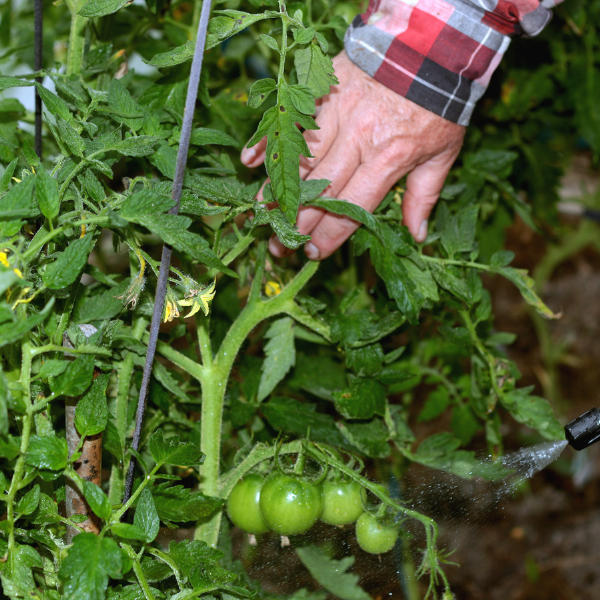
Warm days can still bring pest activity, so check plants regularly and deal with any problems before they spread.
Prepare beds for autumn planting:
Clear away tired summer annuals and spent vegetable plants. Add compost or well-rotted manure to beds to improve soil structure and replenish nutrients before new planting begins.
Plant vegetables for cooler weather:
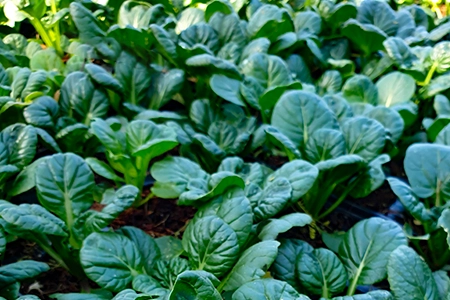
March is an excellent time to sow or plant many autumn and winter vegetables. Leafy greens, brassicas and root crops establish well while the soil is still warm.
Divide and replant perennials:
Overgrown clumps of perennials can be lifted and divided now. This helps rejuvenate older plants and gives you extra plants to spread through the garden or share with friends.
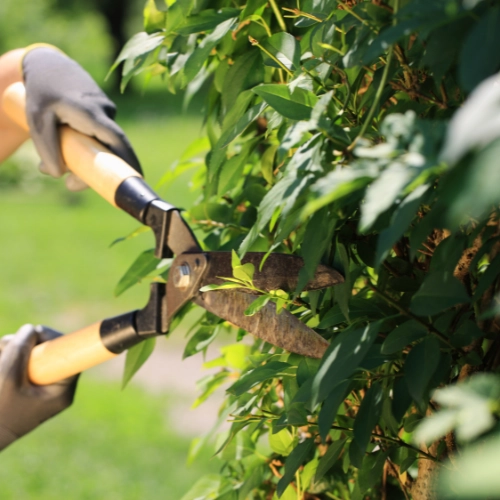
Prune lightly and tidy shrubs:
Remove dead or damaged branches and lightly trim untidy growth. Avoid heavy pruning now, but gentle shaping helps keep plants neat and encourages healthy growth.
Keep an eye on pests and diseases:
Warm late-summer weather can still encourage pests and fungal problems. Check plants regularly so any issues can be dealt with before they spread.
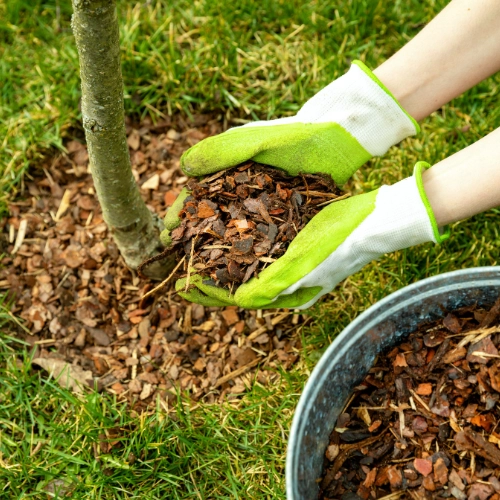
Mulch garden beds:
Apply a fresh layer of mulch around plants. This helps conserve moisture, suppress weeds and gradually improve the soil as it breaks down.

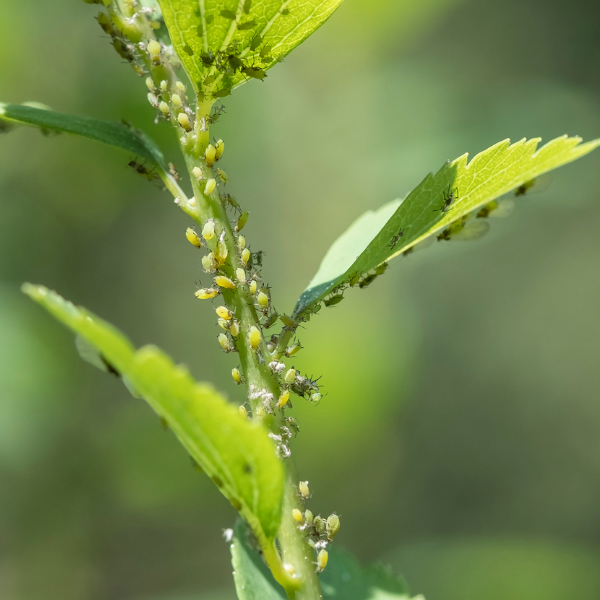
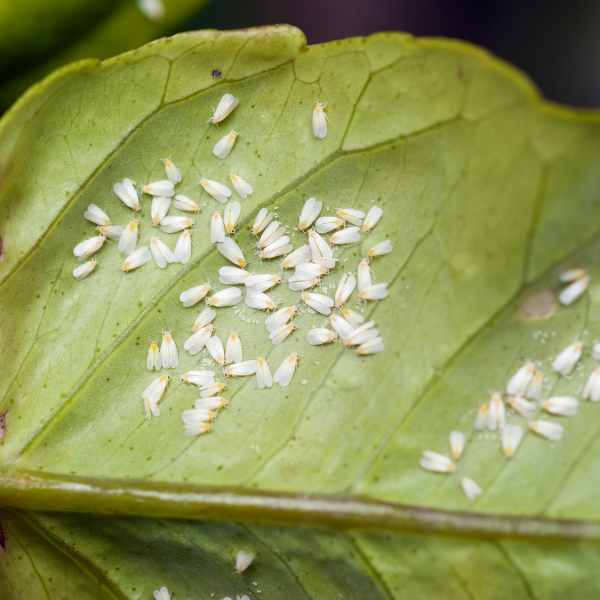
Aphids and whitefly: Often found on new growth, these sap-sucking insects weaken plants and can spread disease. Check tender shoots regularly and treat infestations early.
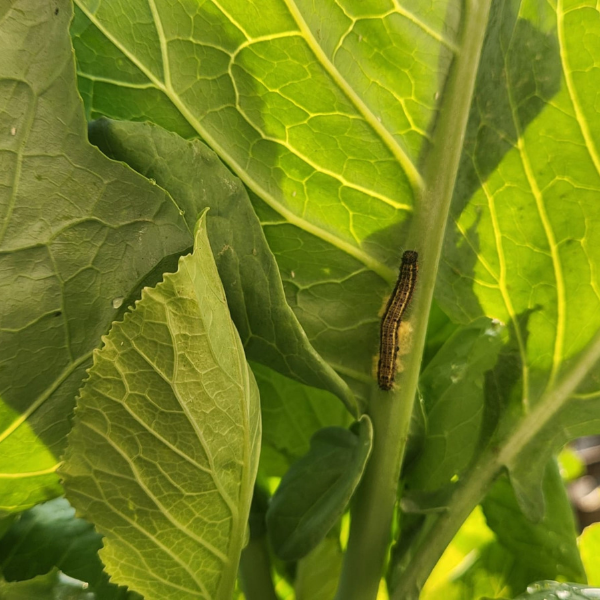
Caterpillars: Late-season caterpillars can quickly chew through leaves on vegetables and ornamentals. Inspect plants frequently and remove them by hand or treat if necessary.
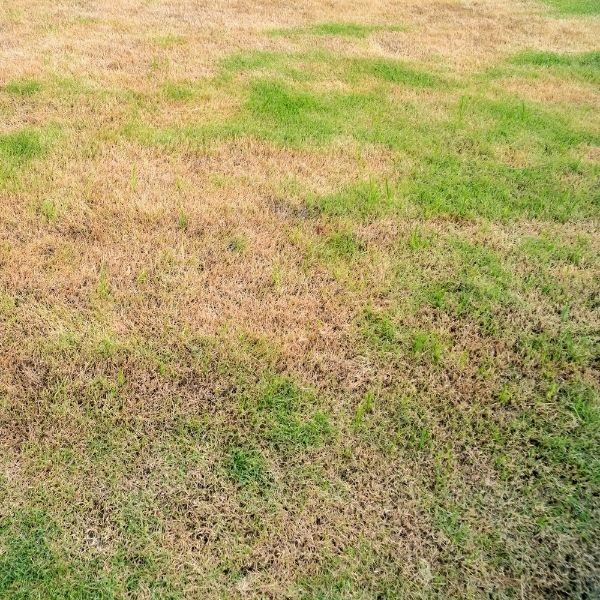
Lawn caterpillars (armyworms): Sudden brown patches appearing in lawns during late summer may be caused by lawn caterpillars feeding at night. Check the lawn surface closely if damage appears quickly.
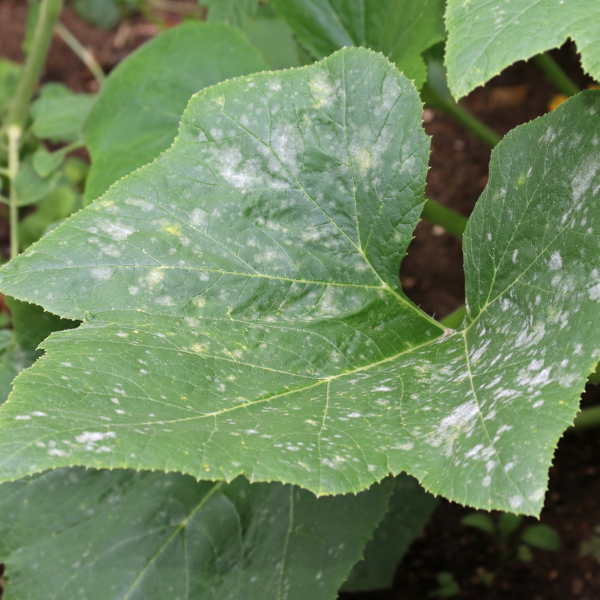
Powdery mildew: This fungal disease appears as a white powdery coating on leaves, particularly on cucurbits, roses, and some ornamentals. Good air circulation and early treatment help prevent it spreading.
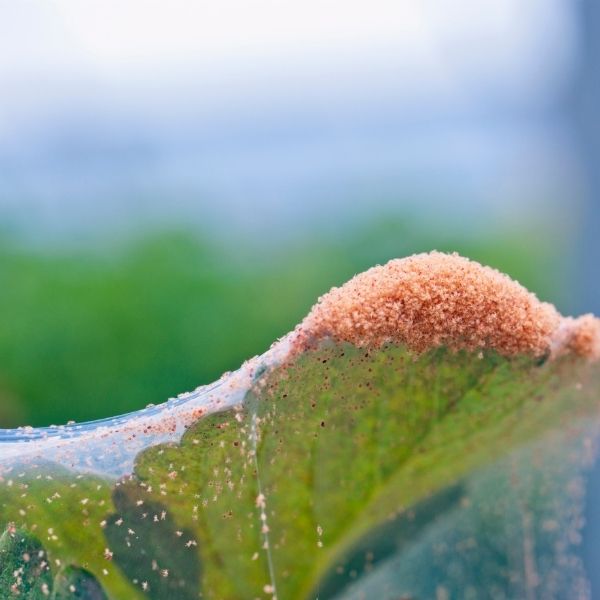
Red spider mites: These tiny pests may still be active in warm, dry conditions. Leaves can appear speckled or dusty, and plants may become stressed if infestations are severe.
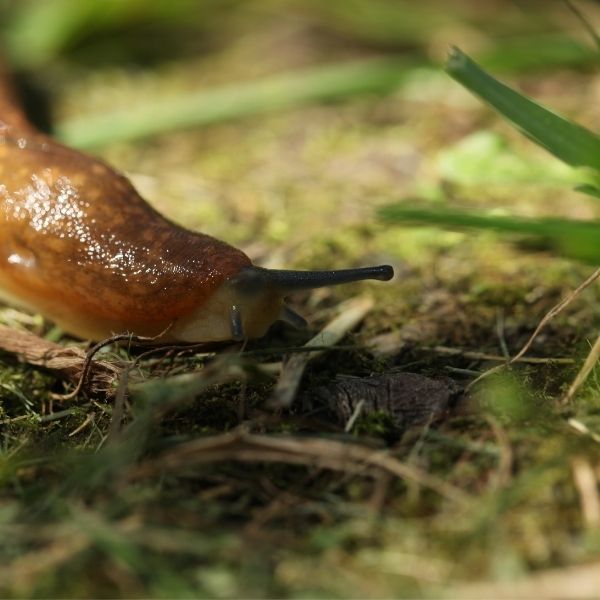
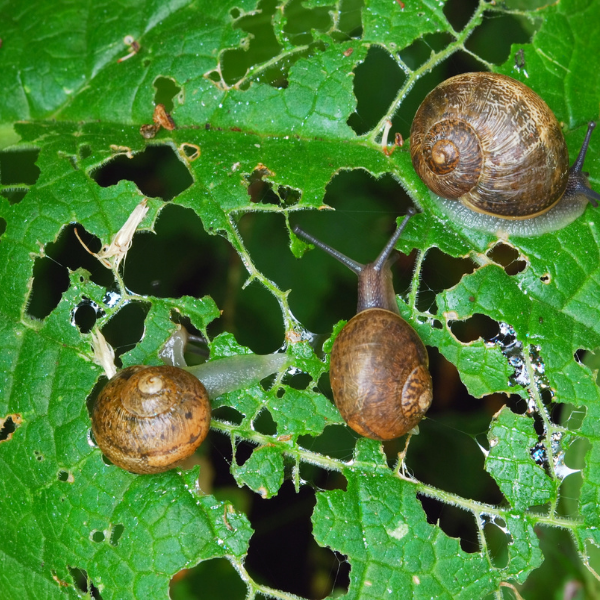
Snails and slugs: With late-summer rains and increased humidity, these pests can become more active again. They feed on tender growth, seedlings, and soft leaves, often causing damage overnight.
Thrips: Tiny, slender insects that damage flowers and leaves, causing silvery streaks and distorted growth. Regular inspection helps catch infestations early.
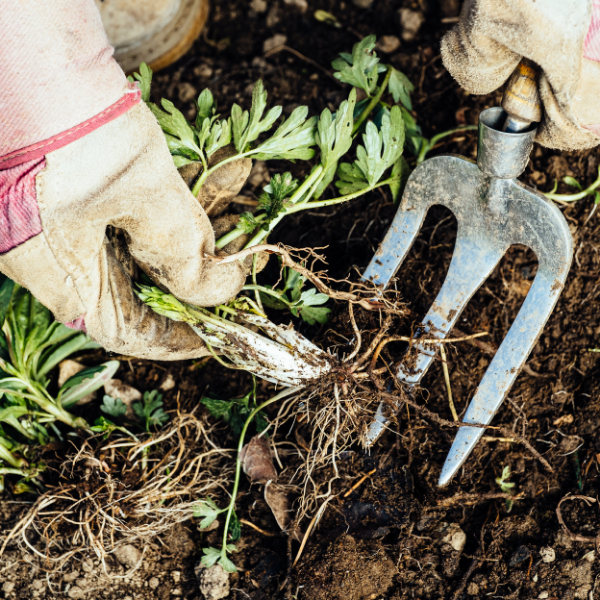
Persistent weeds: Warm soil and occasional late-summer rain can still trigger rapid weed growth. Pull weeds out while they are young to prevent them setting seed.