Growing Aloes

Tough, Beautiful, Made for Our Climate

Aloes are among the easiest and most rewarding plants to grow in South African gardens. With their striking shapes, architectural leaves and beautiful winter flowers, they add interest to gardens throughout the year.

Most aloes are hardy, drought-tolerant plants that thrive in sunny conditions and require very little maintenance once established. Whether planted in garden beds, rockeries or containers, aloes are an excellent choice for both beginner and experienced gardeners.
Why Grow Aloes?

• They are extremely water-wise once established
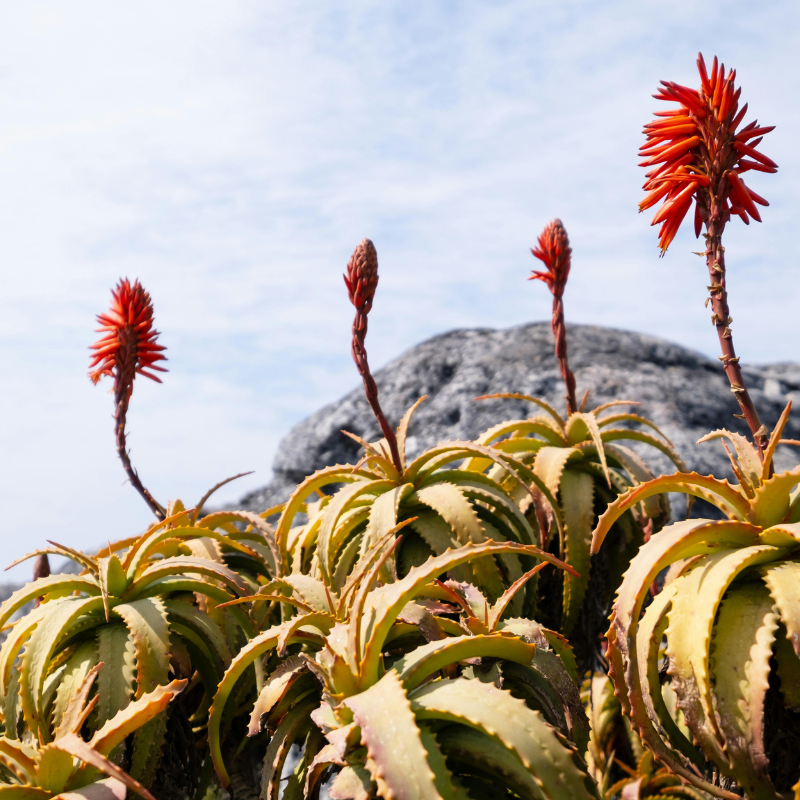
• Many species produce spectacular winter flowers
• They attract sunbirds and pollinators
• They grow well in pots or garden beds
• They are well suited to South African climates


Choosing the Right Aloes

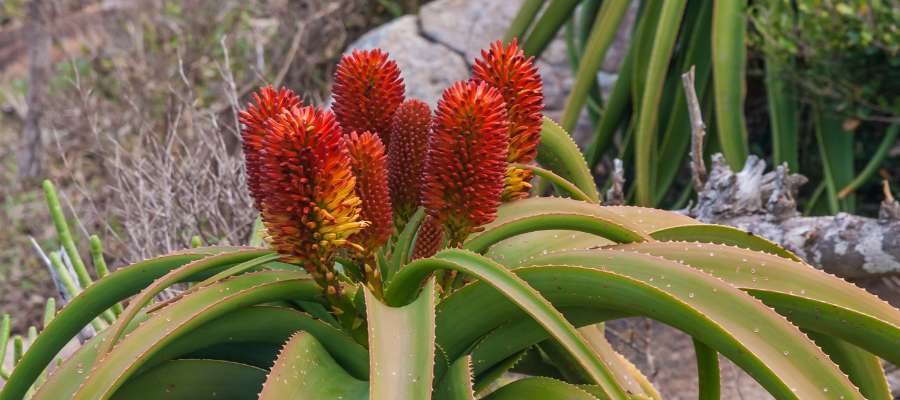
There are many beautiful aloe species and hybrids available, ranging from small container plants to large, dramatic landscape specimens. Some aloes grow into compact garden plants, while others form large architectural features in the landscape. If you’re unsure which aloe will work best in your space, our team at Blackwood’s will be happy to help you choose the right variety.

How to Grow Aloes

How to Plant Aloes
Fertilising Aloes
Aloe Pests and Diseases
Aloe Garden Uses

THE BASICS:

Aloes are very hardy plants, but giving them the right start will help them establish quickly and grow into strong, healthy feature plants in your garden. They don’t like wet feet.  Good drainage is key. Plant them in full sun or bright light, in well-draining soil, and resist the urge to overwater.

Quick Tips:
  • Plant slightly raised if your soil is heavy
  • Perfect for garden beds, rockeries and pots
  • Less water is better than too much
  • If you’re unsure, choose a hardy hybrid — they’re bred to cope.

  • Prepare the soil by digging over deeply to a depth of  about 500mm. This loosens compacted soil and allows aloe roots to spread easily as the plant grows.
  • Leave any stones, rocks or builder’s rubble buried in the soil to assist with drainage.
  • River sand helps to improve drainage in clay soils.
  • Add a layer of compost to the top of the prepared soil, along with bone meal at the recommended rate and dig in well.
  • Rake soil to the correct contours and levels.
  • Place rocks, driftwood or pavers in strategic positions before planting.  It is much easier to place these before the plants are in the ground.
  • Start planting with the largest feature plants, then fill in around them with smaller aloes or other companion plants like succulents.
  • Dig holes large enough to accommodate the root ball of each individual aloe.
  • Place the aloe in the planting hole at right depth and make sure that the plant is facing the correct way.
  • Fill in around the root ball and trample down the soil around the plant.
  • Level out the soil around the plant and then proceed with the next aloe.
  • Once planting is complete water well to settle the plants in.

KEEP THEM HAPPY:

Aloes really don’t need much. A light feed now and then and sensible watering will keep them happy.

Quick Tips:
  • Water sparingly, especially in winter
  • Feed lightly during active growth
  • Remove old flower stems to keep plants tidy

  • Tall aloes need to be staked to prevent wind damage whilst they are establishing in the garden.
  • Mulch the surface of the aloe garden with small rocks, pebbles or gravel to create a neat and tidy finish.
  • Apply granular fertiliser in spring and again in summer (3:1:5 slow release nitrogen is suitable).
  • Shrubby and climbing aloes may need to be pruned if they get too large and start overwhelming surrounding plants.
  • Water aloes that are growing in pots under the roof overhang every 2 to 3 weeks as they usually miss out on rainfall.
  • Most aloes take care of themselves, but benefit from supplementary watering during dry periods.


GOOD TO KNOW:

Aloes have a number of pests and diseases that need to be identified and controlled with suitable pesticides:

Quick Tip:
  • Good airflow, sunshine and drainage prevent most issues before they start.

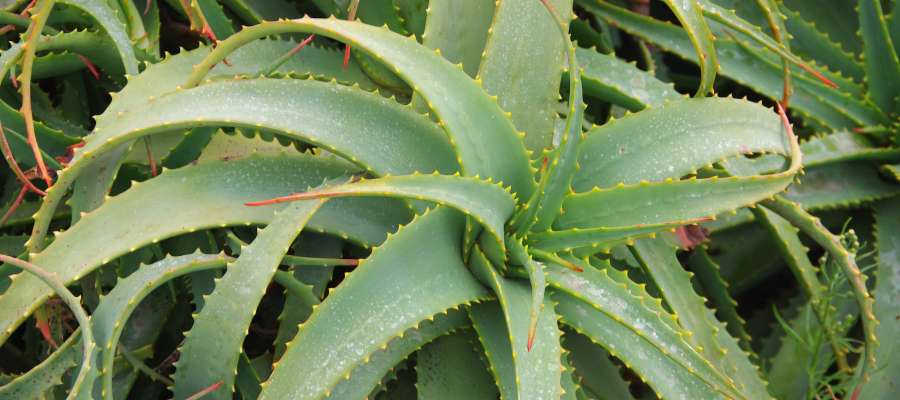
  • White scale – tiny insects that are found in rows on the leaf surfaces. Treat with suitable insecticide.
  • Aloe rust is a fungus that causes ugly black spots on the upper and under surface of the leaves. Treat with fungicide.
  • Snout beetles tunnel into the crown of the aloe to lay eggs which hatch as white larvae that eat the inside of the plant, causing it to collapse. Treat with a systemic insecticide.
  • Aloe cancer or galls distort both leaf and flower bud growth. This is caused by an infestation of aloe mites which live in the plant tissue and on the leaf surface. Treat with suitable miticides and insecticides or a combination of both. Cut off infected parts of the plant and burn.


GREAT FOR:

Aloes are incredibly versatile and they look good all year round.

Quick Tips:

Use aloes as:

  • As bold focal points
  • In water-wise and coastal gardens
  • In containers on patios and balconies
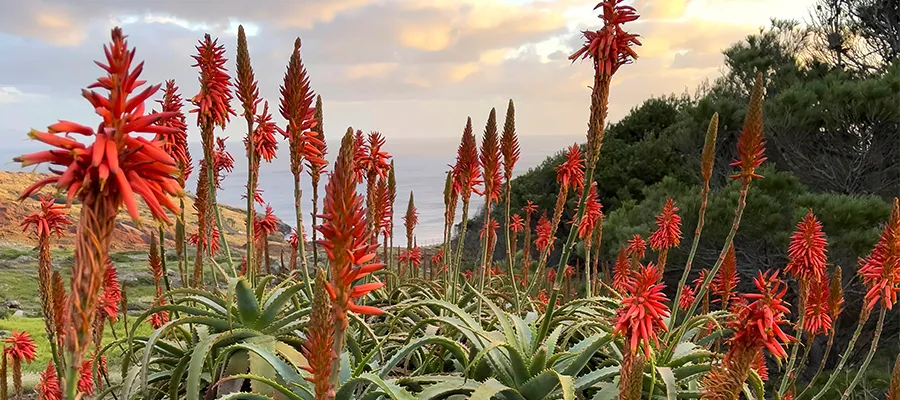
  • To add winter colour when they flower

They pair beautifully with other succulents and indigenous plants.
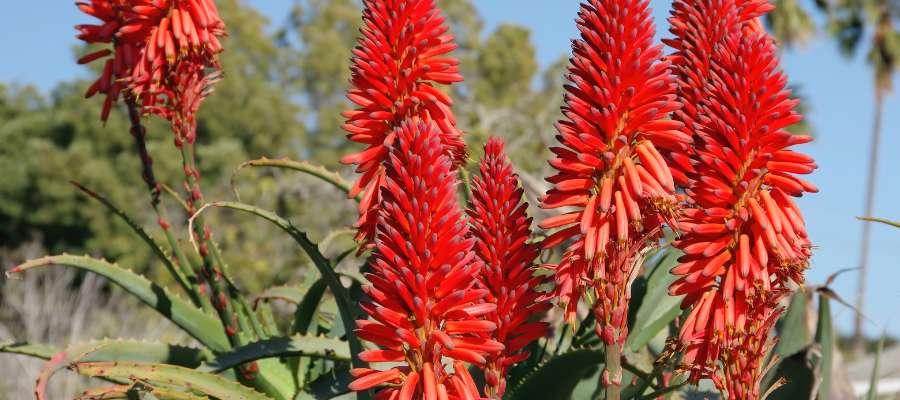

  • Splendid in aloe gardens or mixed with other succulents
  • Superb in rock gardens or on hot dry banks
  • Many species are important in indigenous only landscapes
  • Excellent feature plants especially those with a statuesque shape
  • Good specimen plants in pots and containers, both large and small
  • Combine well with cycads or proteas, interspersed with ornamental grass


Shopping List

  1. Tools for digging and preparing soil for planting.
  2. Compost and bone meal for enriching the soil.
  3. Rocks and pavers for hard landscaping.
  4. A range of healthy aloe plants.
  5. Decorative gravel or pebbles for surface mulch.
  6. Hose pipe or watering can.

DISCLAIMER: 
 The information presented on this website is intended solely as a general guide. We neither endorse specific plant varieties over others nor claim expertise in stock performance. All information is believed to be accurate, based on private inquiries and experiences, and is provided in good faith. Blackwood’s, including its employees, disclaims any responsibility for harm, loss, cost, or damage arising from the use or reliance upon any information on this website, especially if any part of the information proves to be inaccurate or incomplete. Please note that the displayed photos are not representative of current stock but are used for illustrative purposes only.