How to grow Annuals

Growing Annuals

seasonal colour

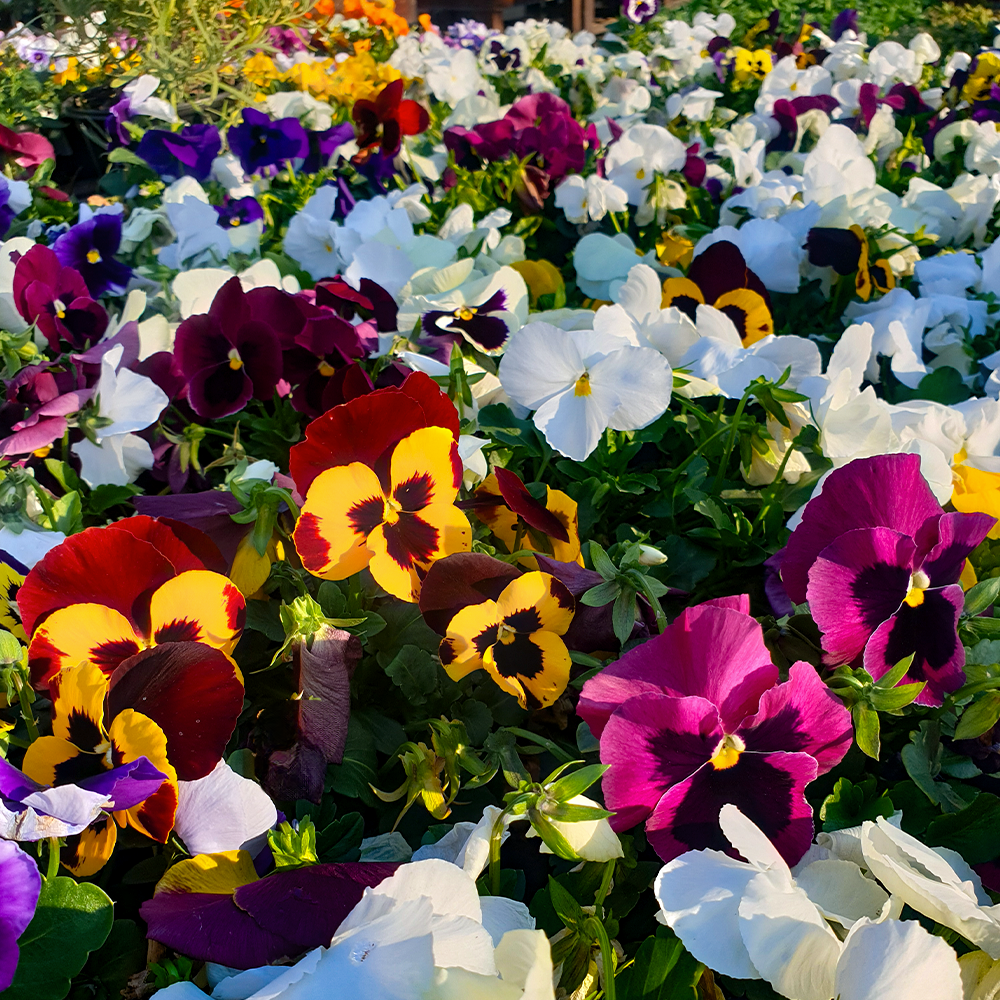
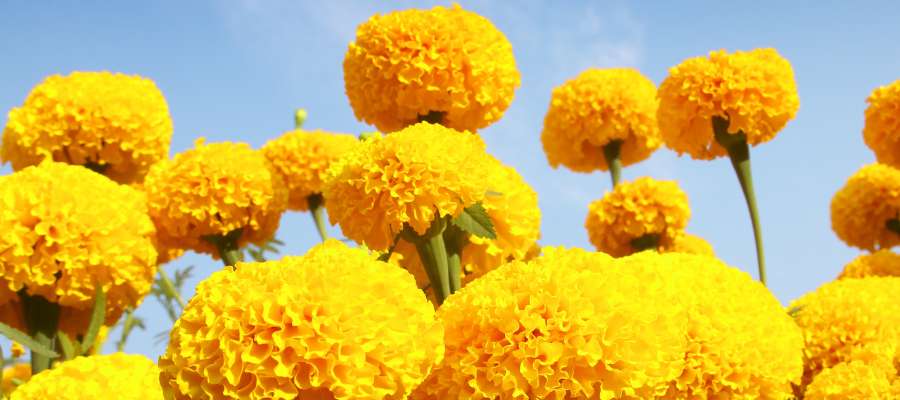
Annuals are the quickest way to add colour, energy and personality to your garden. They grow fast, flower generously and offer instant impact in beds, borders, pots and hanging baskets. With such a wide range of colours, textures and forms, they make it easy to refresh your garden with the seasons.

Plant them in the right spot, feed them well and they’ll reward you with weeks, often months, of continuous flowering and vibrant growth.
Get the 'Grow How'

If you want quick results and continuous colour, annuals are hard to beat. They grow fast, flower generously and reward months of impact.
Planting Procedure
Fertilising and Care
Pests and Diseases
Garden Uses

THE BASICS:

Annuals are all about strong starts. Plant them into well-prepared soil, give them plenty of light and don’t let them dry out while they’re settling in. Good soil and the right spacing make all the difference.

Quick Tips:
  • Plant in full sun unless the variety prefers shade
  • Prepare soil with compost or a quality planting mix
  • Space plants properly to allow airflow and growth
  • Water well after planting to settle roots

  • Prepare the soil by digging over deeply with garden fork.
  • Add superphosphate root stimulating fertiliser and compost at recommended rates.
  • Dig into soil and mix thoroughly.
  • Rake soil to correct level.
  • Gently remove seedlings from tray or punnet.
  • Carefully untangle some of the matted roots.
  • Dig a small hole with a trowel and place the seedling in it.
  • Fill in around the root ball and firm soil down gently.
  • Make sure the plant is buried at the same level as it was growing in the seedling tray.
  • Once planting is complete water well to settle in.


KEEP THEM HAPPY:

Annuals grow quickly and that means they need fuel.  Regular feeding keeps plants compact, leafy and full of flowers. A little attention here goes a long way.

Quick Tips:
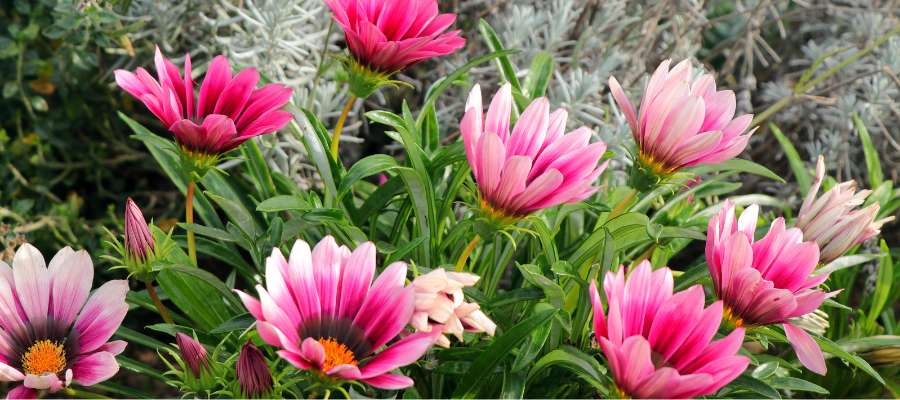
  • Feed regularly during the growing season
  • Use a balanced or flowering fertiliser
  • Water consistently, especially in warm weather
  • Remove spent flowers to encourage continuous blooming
  • Watch pots closely.  They dry out faster than garden beds

  • After planting, a layer of mulch around the seedlings keeps the roots cool and repels weeds.
  • Regular fertilising with a water-soluble plant food at 2 weekly intervals ensures healthy plants.  A 3:1:6 formula is best for flowering annuals.
  • Pinch out the growth tips of tall, lanky plants to encourage basal branching (only applies to certain plants).
  • Dead head spent flowers by removing the flower stalk and developing seed capsule.
  • Prune back any plants that get straggly or untidy.
  • At the end of each season pull out plants that are coming to an end and replant with fresh seasonal seedlings.


GOOD TO KNOW:

Healthy plants are your best defence.  Most problems arise from stress caused by overcrowding, poor airflow, or inconsistent watering.

Quick Tip:
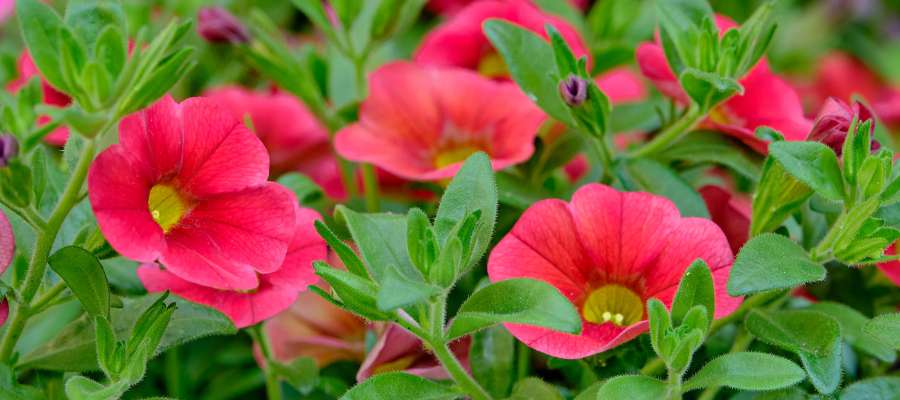
  • Inspect plants regularly for aphids, caterpillars and mites
  • Avoid overhead watering late in the day
  • Remove affected leaves early to prevent spread
  • Use appropriate pest control if needed
  • Strong, well-fed plants are less likely to struggle

  • Aphids gather on the soft new growth tips and suck the sap out of the plant.  Control with a general insecticide.
  • Caterpillars, beetles and grasshoppers chew the leaves.  Treat with a systemic insecticide (only suitable for use on non-edible plants).
  • Red spider mites are a problem on some plants in summer.  Use a suitable miticide.
  • Fungal diseases like mildew and rust on the leaves.  Spray with broad-spectrum fungicide.
  • Cutworms chew seedlings off at ground level.  Apply cutworm bait immediately after planting or drench newly planted seedlings with a general insecticide.
  • Snails and slugs are nocturnal pests that eat the lush young leaves.  Apply snail bait at regular intervals.


GREAT FOR:

Annuals are the ultimate design tool.  They let you experiment, refresh your garden each season, and add instant personality wherever it’s needed.

Quick Tips:

  • Ideal for seasonal colour changes
  • Use bold colours for impact or soft tones for cohesion
  • Mix varieties for texture, height and contrast

  • Ideal for mass bedding (lots of annuals all planted in one flower bed).
  • Good for adding colour to rock gardens and mixed flower borders.
  • Important components in mixed hanging baskets.
  • Eye catching in pots and containers, both large and small.
  • Great for filling gaps between permanent plants.


Shopping List

  1. Tools for preparing the soil and planting.
  2. Compost to dig into the soil.
  3. Fertiliser to promote root growth (superphosphate or bone meal).
  4. Pots and containers where necessary.
  5. Potting mix when required.
  6. Watering can or hosepipe.
  7. Snail bait.
  8. Cutworm bait.

DISCLAIMER: 
 The information presented on this website is intended solely as a general guide. We neither endorse specific plant varieties over others nor claim expertise in stock performance. All information is believed to be accurate, based on private inquiries and experiences, and is provided in good faith. Blackwood’s, including its employees, disclaims any responsibility for harm, loss, cost, or damage arising from the use or reliance upon any information on this website, especially if any part of the information proves to be inaccurate or incomplete. Please note that the displayed photos are not representative of current stock but are used for illustrative purposes only.