September

September in the Garden

September marks the start of spring in the garden. Warmer temperatures and increased rainfall encourage strong new growth and fresh colour. This is one of the busiest and most exciting times to plant, feed and bring your garden back to life.

September Quick Tips:

Planting

Spring is ideal for planting shrubs, perennials and seedlings.  The warm soil encourages quick establishment and strong early growth.

Feeding

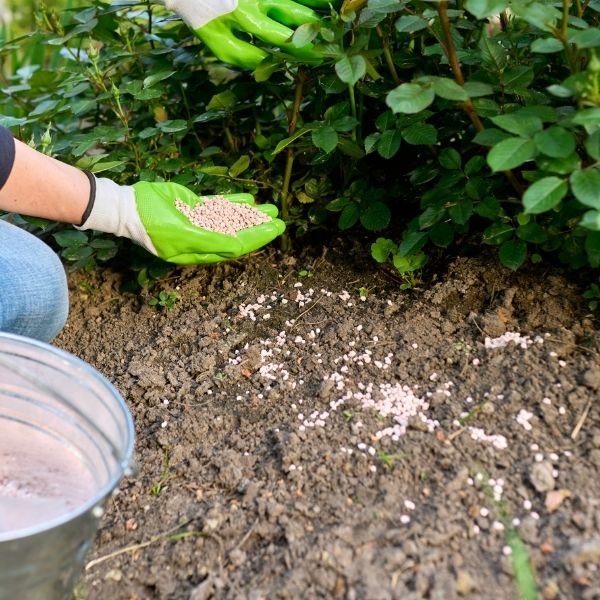
Apply fertiliser to lawns, beds, shrubs and vegetables to support the surge of new spring growth and flowering.
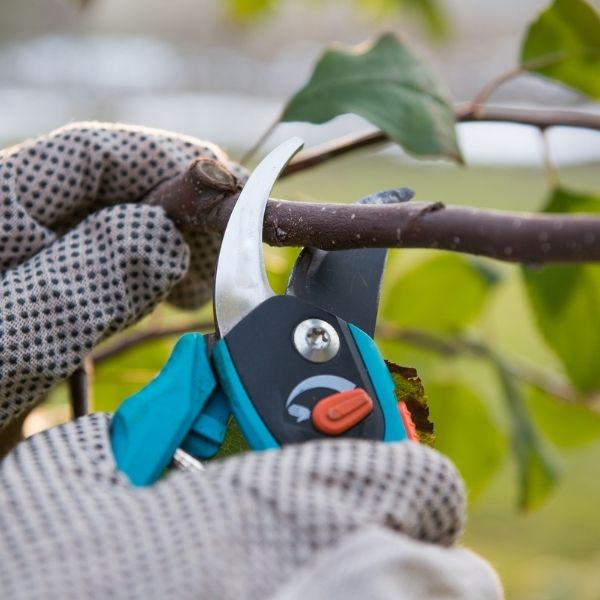
Pruning

Lightly prune winter-flowering shrubs and tidy perennials to encourage fresh, healthy growth. Remove any frost-damaged material.

Lawn Care

Spring is the time to feed, mow and repair lawns. Rake, aerate and treat weeds early to encourage a thick, healthy lawn.
Pest Control

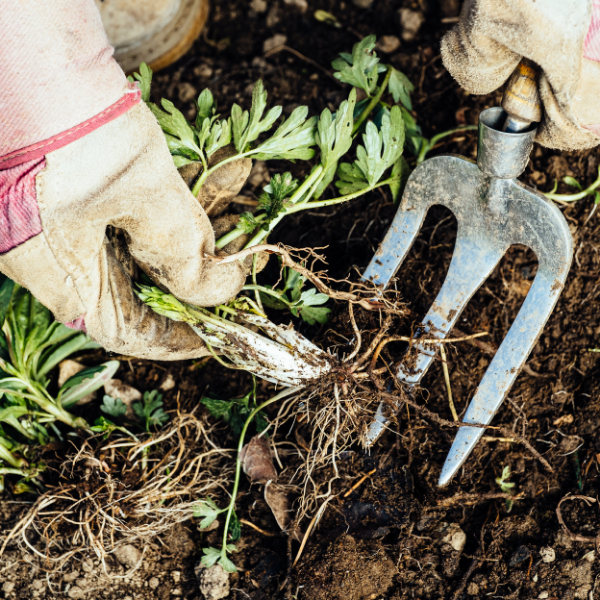
As temperatures rise, pests become more active. Check plants regularly and act early to prevent infestations from getting out of hand.

Top Garden Jobs in September:

September is the start of spring, bringing warmer temperatures, longer days, and a burst of new growth in the garden. This is one of the busiest months, as plants respond quickly to the changing conditions. Getting on top of key tasks now will set your garden up for a successful growing season.

Water spring flowering shrubs: Water shrubs like azaleas and deutzias to ensure a good show.

Stake tall growing plants:  Stake alstroemerias and other perennials that have a tendency to “fall over”.

Prune Shrubs:  Many tender, sub-tropical shrubs and climbers like bougainvilleas and holmskoldias need to be pruned back in early spring as the weather warms.

Feed the whole garden: Apply a balanced fertiliser to lawns, shrubs, trees, and flower beds. Plants are actively growing and will benefit from regular feeding.

Sow seeds for the season ahead: Direct sow summer and autumn flowering seeds such as cosmos, marigolds, sunflowers and Californian poppies.

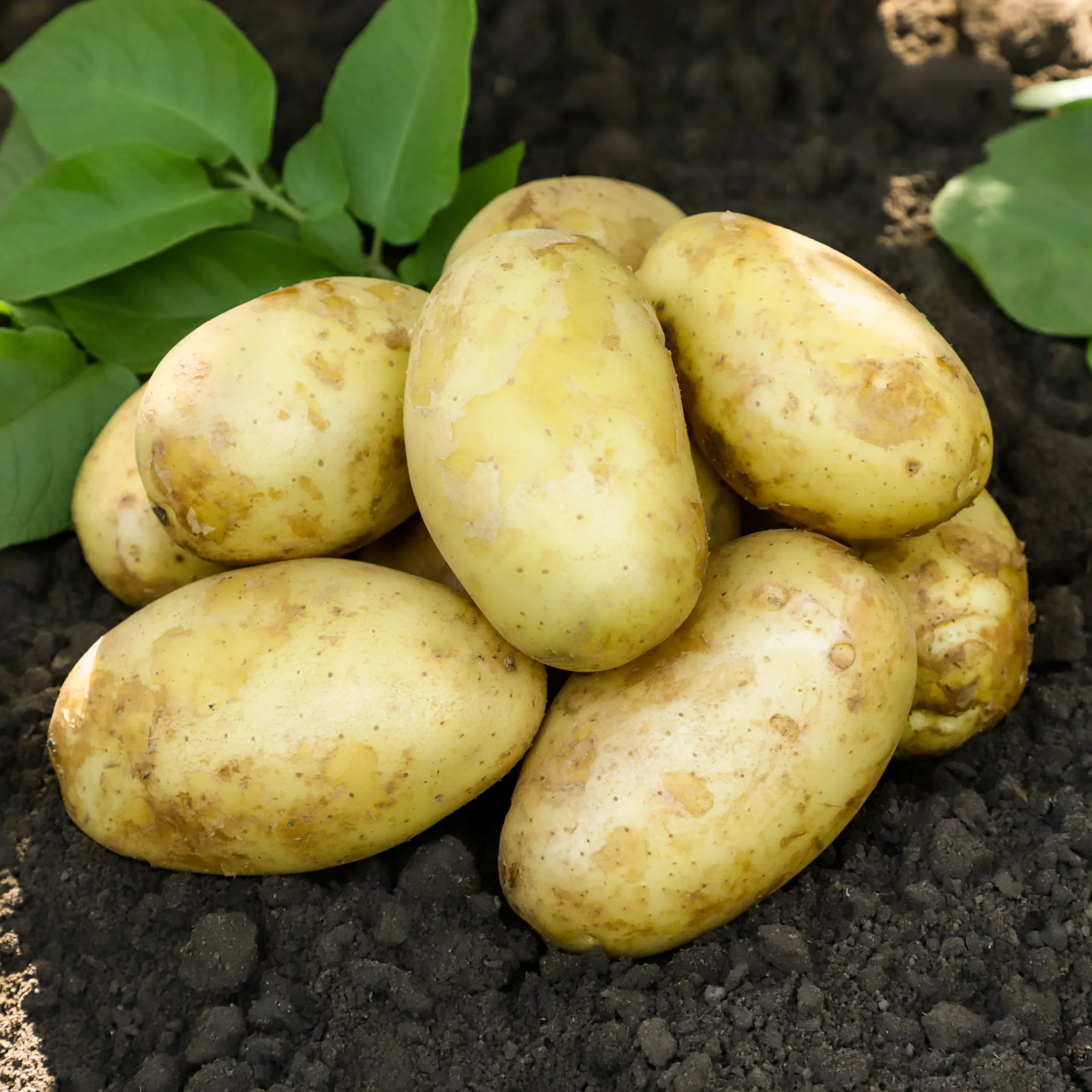
Plant vegetables and herbs:  It’s a good time to plant out seed potatoes, seedlings of tomatoes, chillies, peppers, egg plants as well as the usual lettuces, cabbages, beetroot, spinach and Swiss chard.  Sow seed of all the pumpkin family, dwarf beans, runner beans, maize and sweetcorn.

Roses:  Fertilise with a balanced rose food. 8:1:5 or 5:1:5 formulations work best. Start with regular preventative spraying against fungal diseases at two-weekly intervals.

Care for your lawn: Feed, water, and mow regularly to encourage a thick, green lawn. Treat weeds early before they spread.

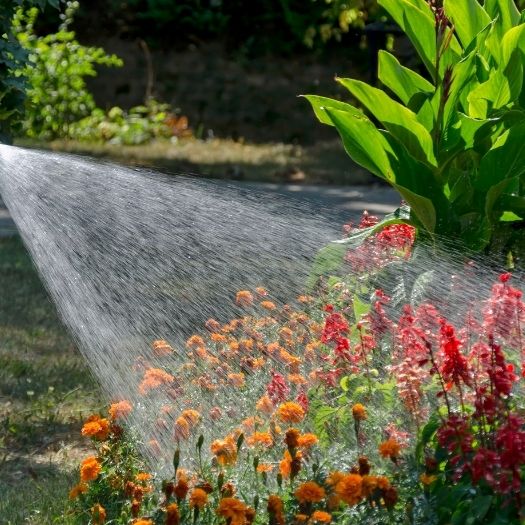
Water consistently: As temperatures rise, increase watering to support new growth, especially for newly planted items.

Watch for pests and diseases: With new growth comes increased pest activity. Check plants regularly and deal with problems early.

What to Plant in September:

Planting the right plants at the right time is the secret to a thriving garden. Each month offers wonderful opportunities to add colour, flavour and fresh growth to your garden. Here are some of the flowers, vegetables and herbs that grow well when planted this month.

Flowers

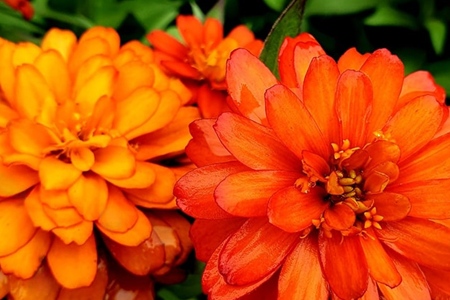
Zinnias

Flowers (Seedlings)

  • Alyssum (Lobularia) – Low-growing, sweetly scented flowers perfect for edging and filling gaps.
  • Begonia – Shade-loving plants with vibrant blooms, ideal for brightening sheltered areas.
  • Cosmos – Light, airy plants with daisy-like flowers that add a relaxed, natural feel to gardens.
  • Impatiens – Reliable choice for bright colour in shade or semi-shade, perfect for beds and containers.
  • Marigold – Bright, hardy flowers that thrive in sunny spots and add cheerful colour.
  • Petunia – Showy, long-flowering blooms ideal for beds, pots, and hanging baskets.
  • Salvia – Upright spikes of colourful flowers that attract pollinators and add height to borders.
  • Verbena – Long-flowering, sun-loving plants that attract pollinators and add vibrant colour.
  • Zinnia – Easy-to-grow plants with bold, colourful blooms perfect for sunny garden spaces.

Flowers (Seeds)

  • Alyssum – Easy-to-grow, low-growing flowers with a sweet fragrance, ideal for edging.
  • Cosmos – Fast-growing plants with delicate flowers that create a soft, informal display.
    Marigold – Hardy, easy flowers that provide bright colour and are great for companion planting.
  • Nasturtium – Quick-growing plants with vibrant, edible flowers, ideal for beds and containers.
  • Sunflower – Tall, striking blooms that add bold colour and attract birds and pollinators.
  • Verbena – Free-flowering plants that provide long-lasting colour and attract pollinators.
  • Zinnia – Bright, easy-to-grow flowers that thrive in warm, sunny conditions.


Vegetables

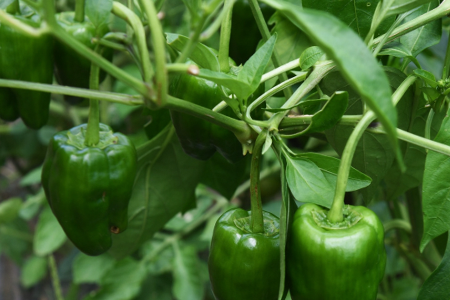
Peppers

Vegetables (Seedlings)

  • Beetroot
  • Brinjal (Eggplant)
  • Cabbage
  • Carrots
  • Lettuce
  • Peppers
  • Spinach
  • Swiss Chard
  • Tomatoes


Vegetables (Seeds)

  • Beans (bush and runner)
  • Beetroot
  • Carrots
  • Corn (Maize)
  • Cucumbers
  • Lettuce
  • Pumpkin
  • Radish
  • Turnip


Herbs

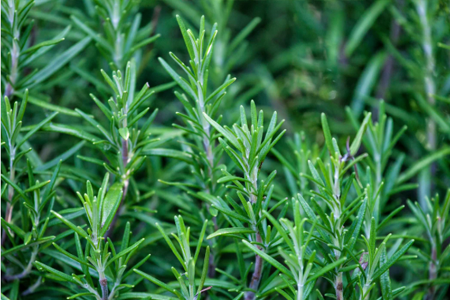
Rosemary

Herbs

  • Basil
  • Chives
  • Coriander
  • Mint
  • Oregano
  • Parsley
  • Rosemary
  • Sage
  • Thyme


Spring Stars in the Garden

Indigenous, shade-loving plants with bold clusters of orange, cream, or yellow flowers, bringing bright colour to sheltered garden spots.

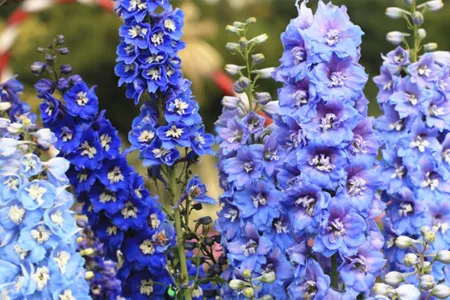
Tall spikes of colourful blooms add height and drama to beds and borders in spring.

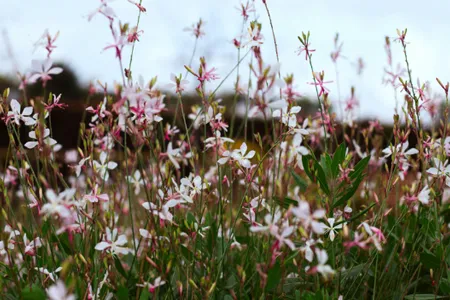
Delicate, airy flowers on slender stems create movement and soft colour in sunny borders and containers.

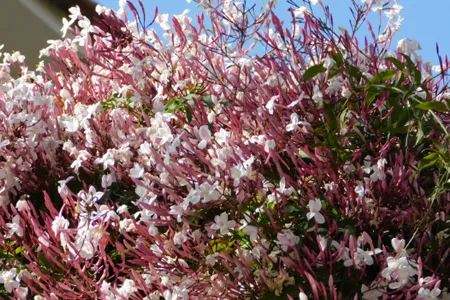
A vigorous climber covered in masses of fragrant pink buds opening to white flowers, perfect for trellises and pergolas.

Problems to watch for in the Garden in September

As spring growth accelerates, the garden becomes more active, and so do pests, weeds and diseases. Keeping a close eye on your plants now will help prevent problems from getting out of hand.

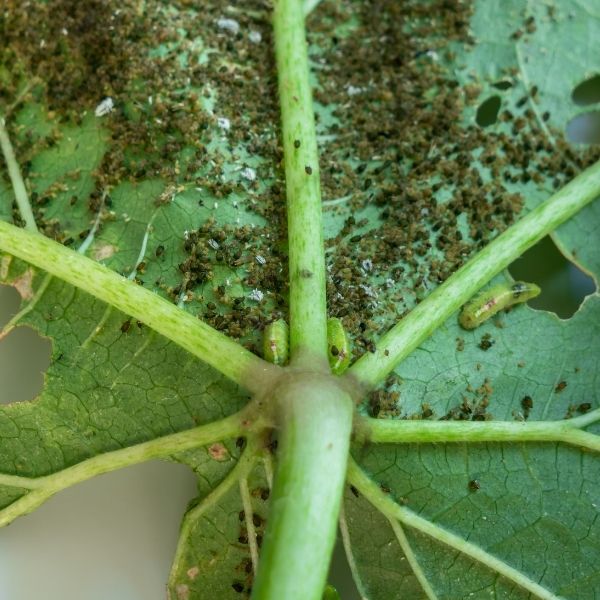
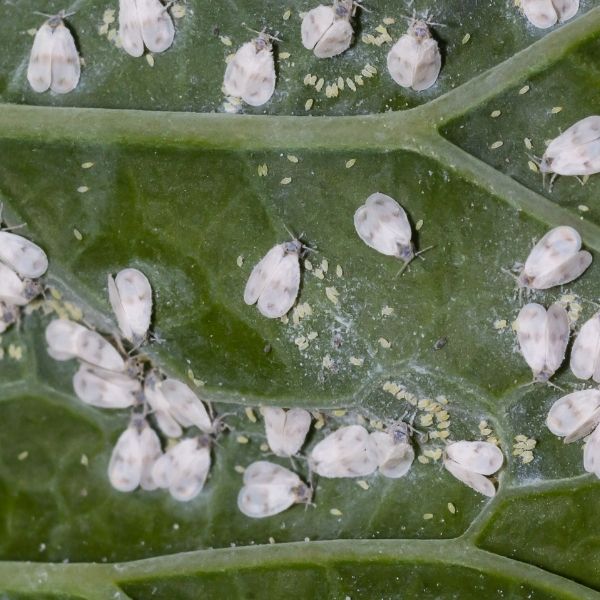
Aphids and whitefly: These sap-sucking insects rapidly colonise fresh new growth, weakening plants and spreading disease if not controlled early.

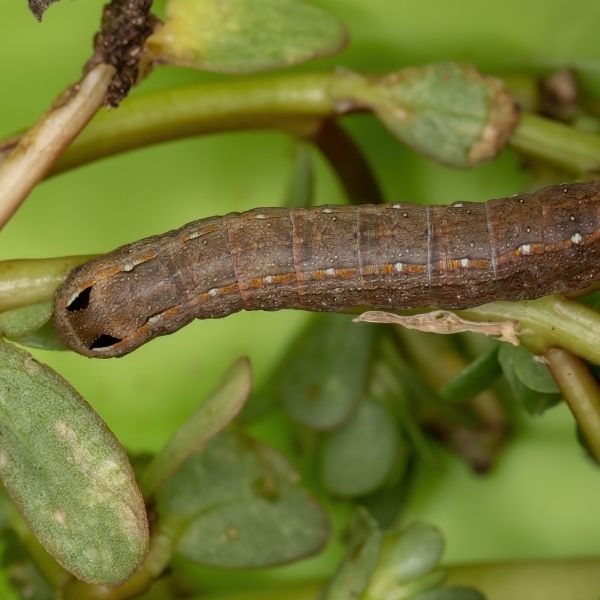
Caterpillars: As plants flush with new leaves, caterpillars begin feeding actively. Inspect plants regularly and treat before damage becomes severe.

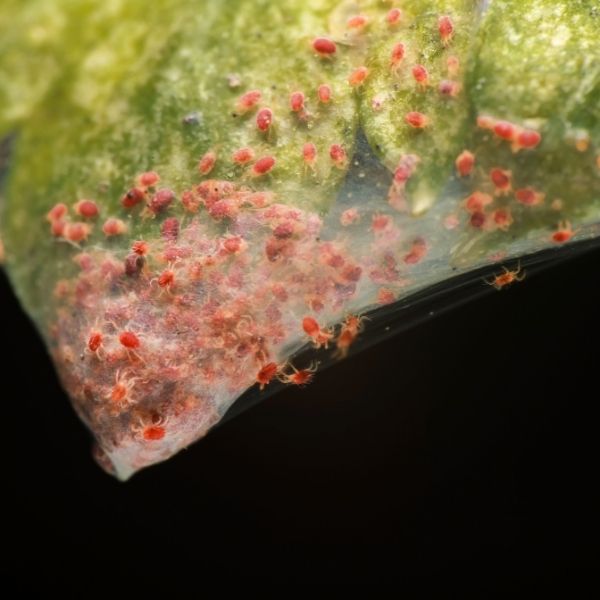
Red spider mites: Warmer, drier conditions can trigger outbreaks, causing speckled, dusty-looking leaves and stressed plants.

Thrips: Tiny insects that damage flowers and new growth, causing silvery streaks and distorted blooms.

Snails and slugs: With increased watering and spring growth, these pests feed on tender seedlings and soft new leaves, often overnight.

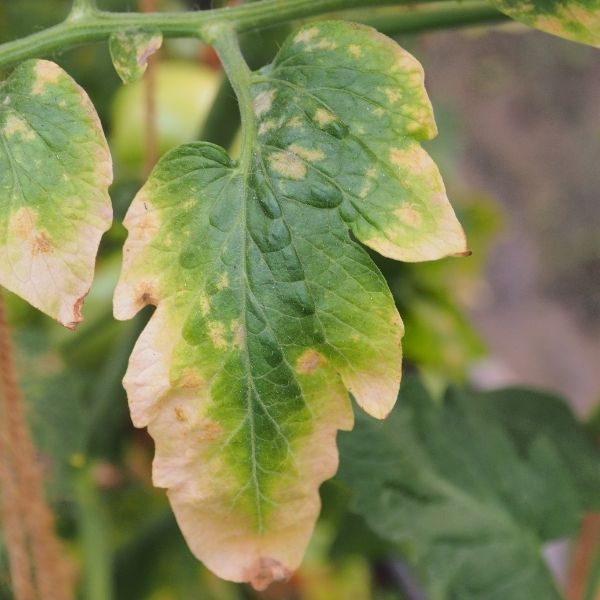
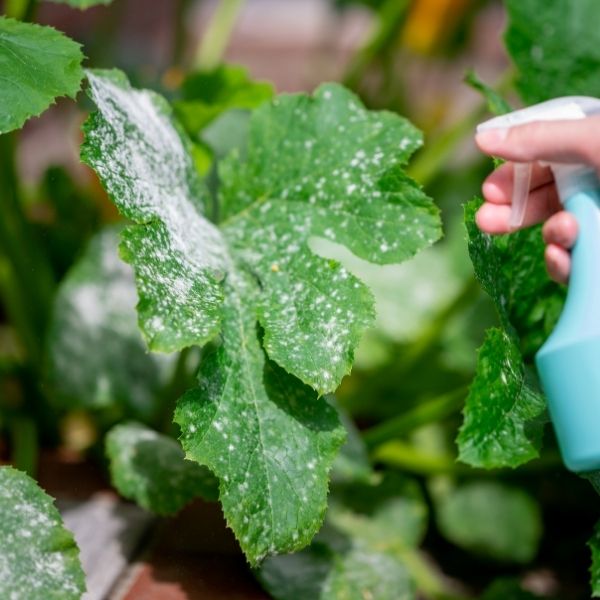
Fungal diseases (powdery mildew and leaf spot): Fluctuating temperatures and spring moisture can encourage fungal issues. Ensure good airflow and avoid wetting foliage late in the day.

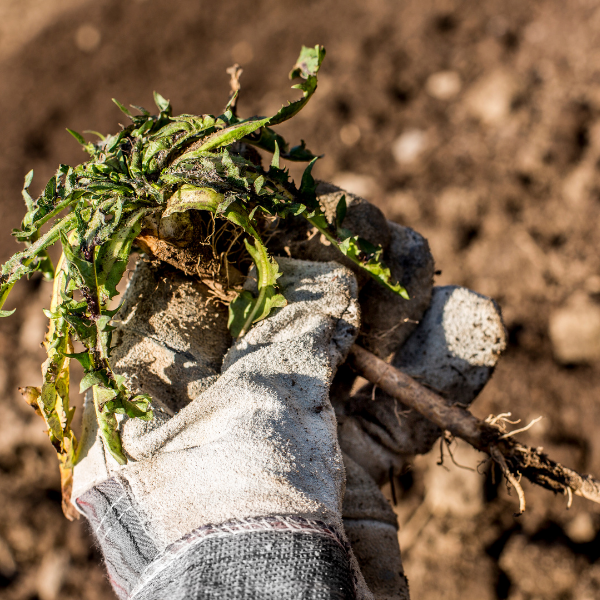
Weeds: Rapid spring growth means weeds can quickly take over beds and compete for nutrients and water. Remove them early before they establish.

Lawn weeds and lawn pests: As lawns become active, weeds and early pest activity can establish quickly. Early treatment helps maintain a thick, healthy lawn.

Nutrient deficiencies: As plants enter active growth, they require more nutrients; yellowing leaves or poor performance may indicate the need for feeding.


BRIAN
BLACKWOOD’S
PIETERMARITZBURG

Gardening Tip from the Blackwood’s Team:

September is the ideal time to establish a new lawn in summer rainfall regions.

Plant fresh grass seed or lay grass plugs while soil temperatures are warming. This gives your lawn a strong start, allowing roots to establish before the heat of summer, and ensures a thick, healthy lawn ready for the season ahead.

DISCLAIMER:  The information presented on this website is intended solely as a general guide. We neither endorse specific plant varieties over others nor claim expertise in stock performance. All information is believed to be accurate, based on private inquiries and experiences, and is provided in good faith. Blackwood’s, including its employees, disclaims any responsibility for harm, loss, cost, or damage arising from the use or reliance upon any information on this website, especially if any part of the information proves to be inaccurate or incomplete. Please note that the displayed photos are not representative of current stock but are used for illustrative purposes only.