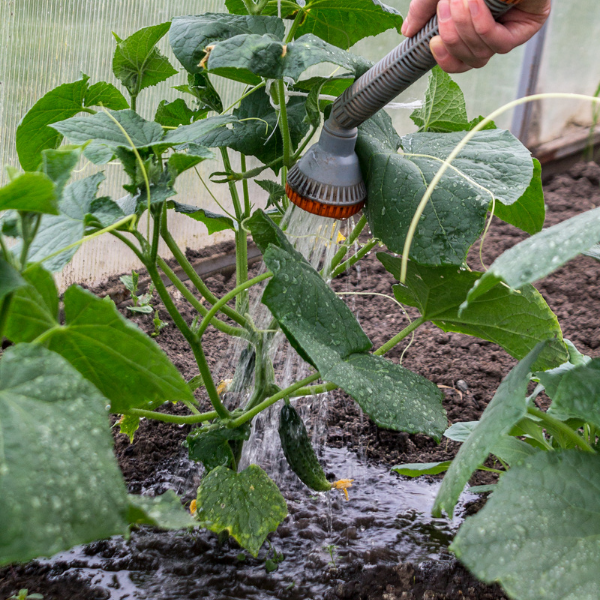
Water vegetable beds with a water-soluble plant food at least every two weeks to keep crops healthy and productive.
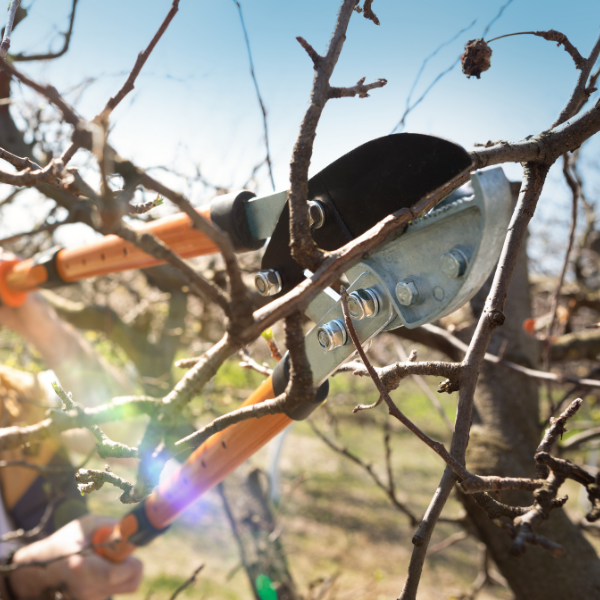
Once deciduous fruit trees and grape vines are fully dormant, prune to shape and encourage strong growth next season.
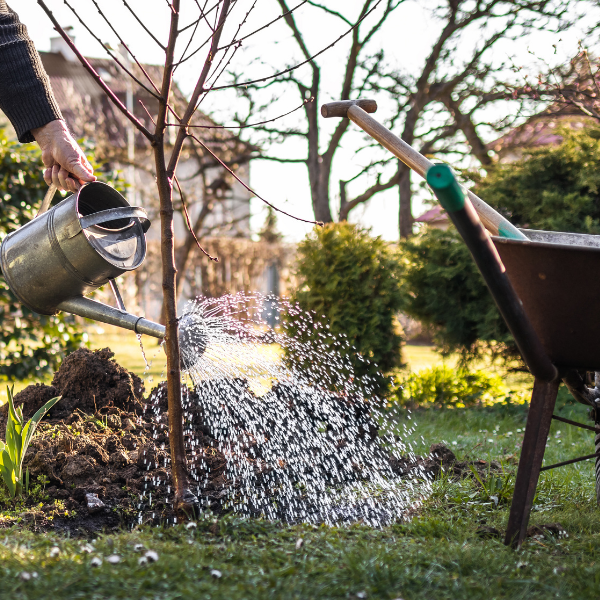
Even established plants need a drink during periods of extreme dryness. Deep watering helps them stay healthy through winter.
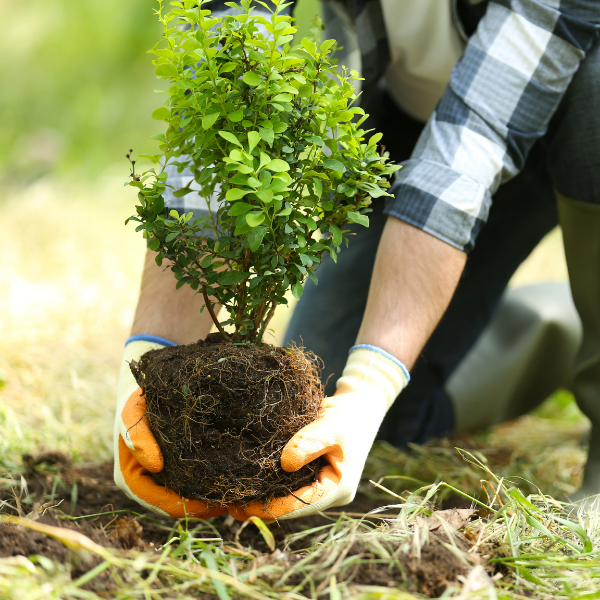
Move or transplant bigger trees and shrubs now while they’re dormant. Water thoroughly after planting to help them settle.
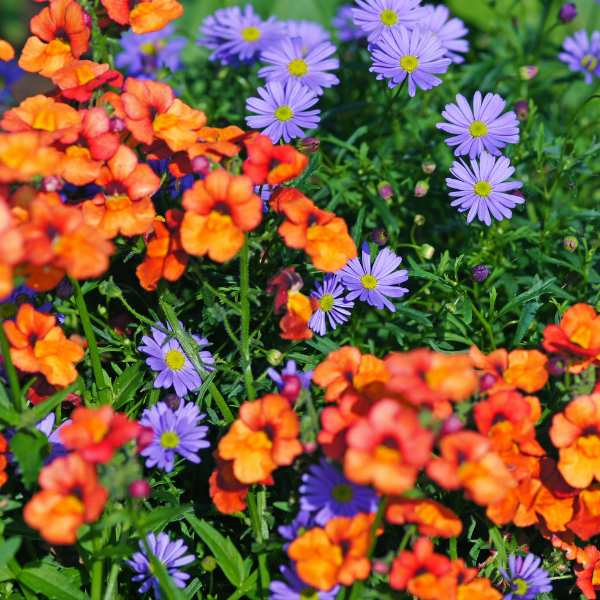
Add cheerful filler plants such as lobularia, scabious, verbena, brachyscome, and nemesia to brighten garden beds through the season.
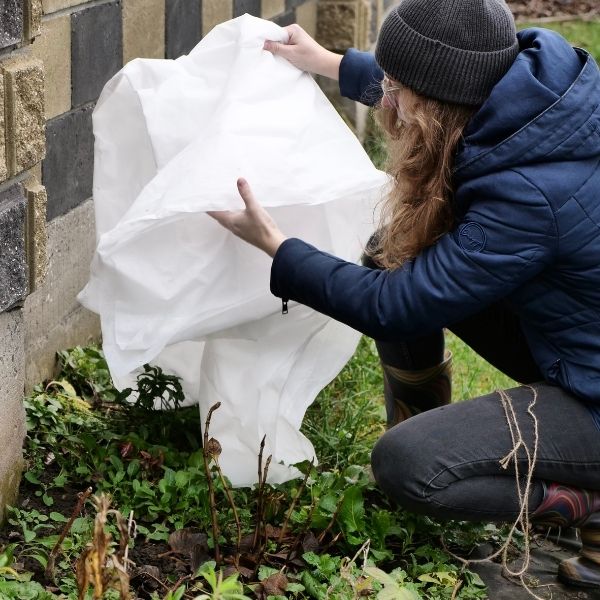
Protect Plants from the Cold: Keep an eye on overnight temperatures and protect frost-sensitive plants with frost covers or by moving pots to sheltered areas. Mulching around roots also helps insulate plants from the cold.
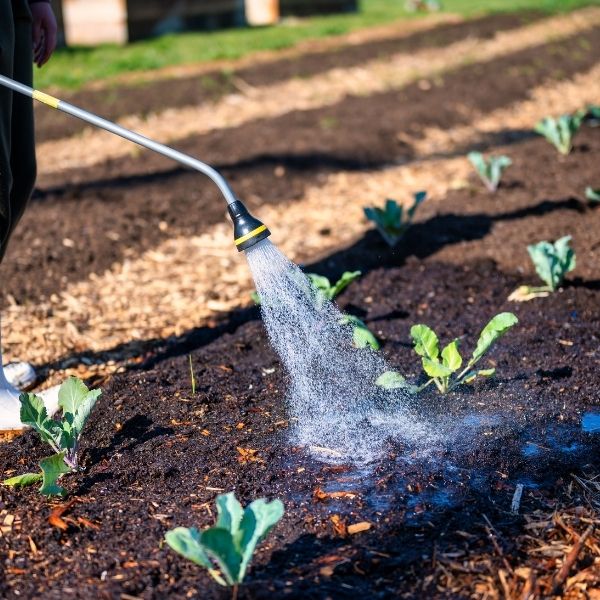
Water carefully but consistently: Although plants use less water in winter, they shouldn’t dry out completely. Water deeply when needed, especially during dry spells, to help plants cope with cold conditions.
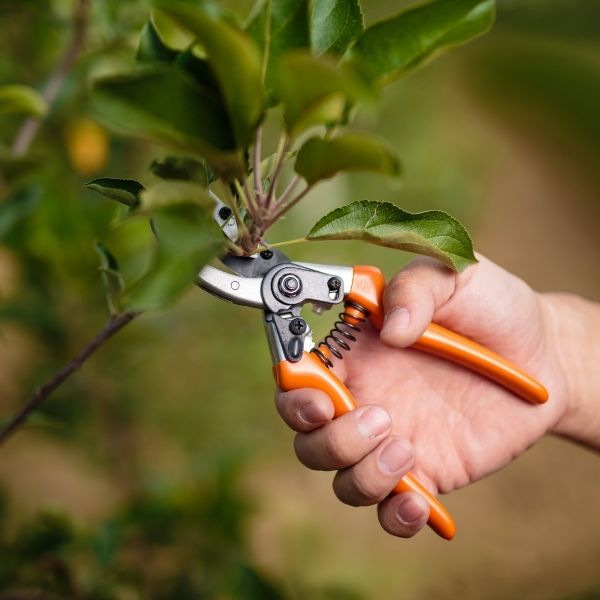
Prune dormant trees and vines: Deciduous fruit trees and grapevines can be pruned once fully dormant. This helps shape the plant and encourages healthy growth when spring arrives.
Mulch and enrich your soil: Add compost or mulch to garden beds to retain moisture, suppress weeds, and improve soil health. This also protects plant roots from temperature fluctuations.
Keep the garden tidy: Clear fallen leaves, remove dead plant material, and add organic matter to the compost heap. A tidy garden reduces pests and disease and makes spring preparation easier.
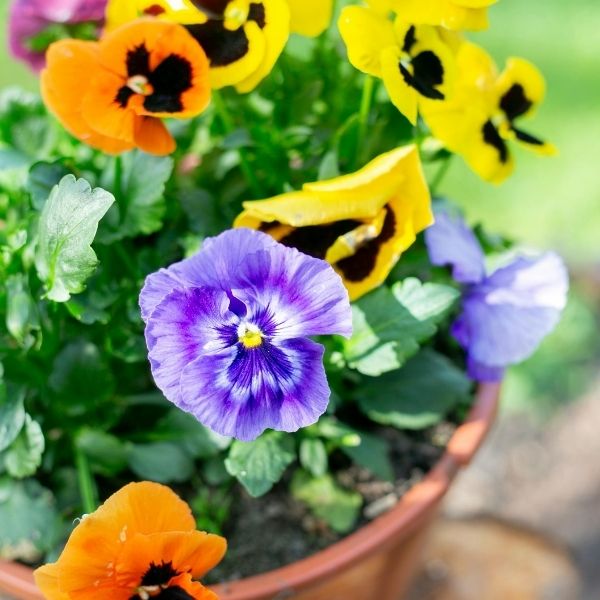
Plant for winter and early spring colour: Brighten beds and containers with winter annuals like pansies, primulas, and lobularia. These will provide colour through the colder months and into early spring.
Monitor pests and diseases: Even in winter, pests like aphids and caterpillars can still be active, especially on vegetables. Check plants regularly and treat early to prevent damage.
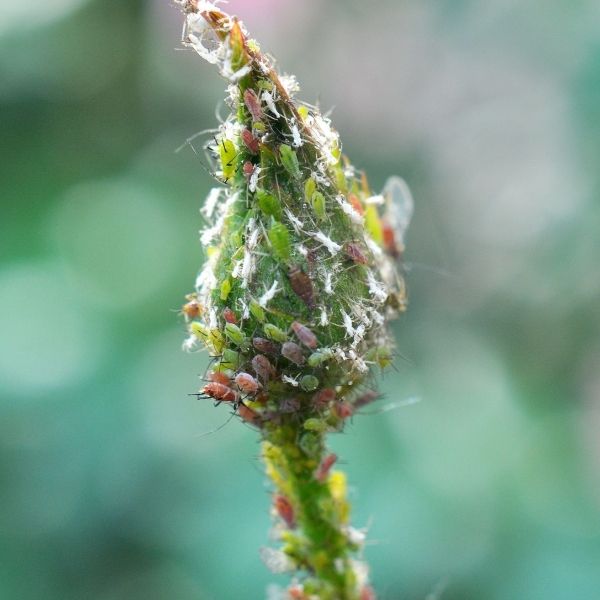
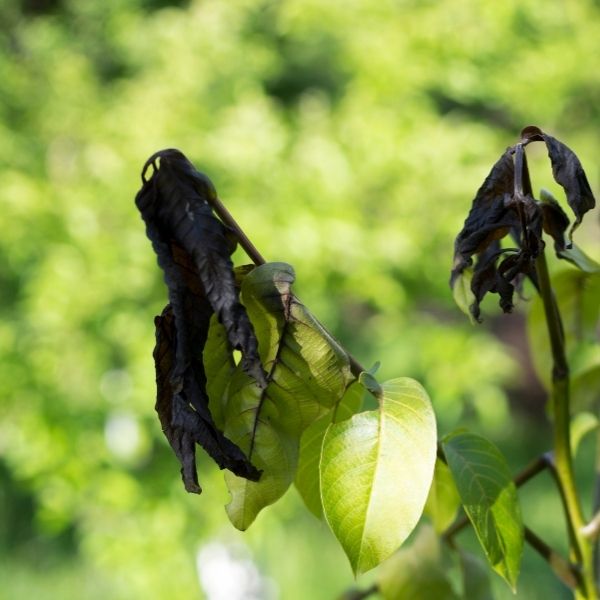
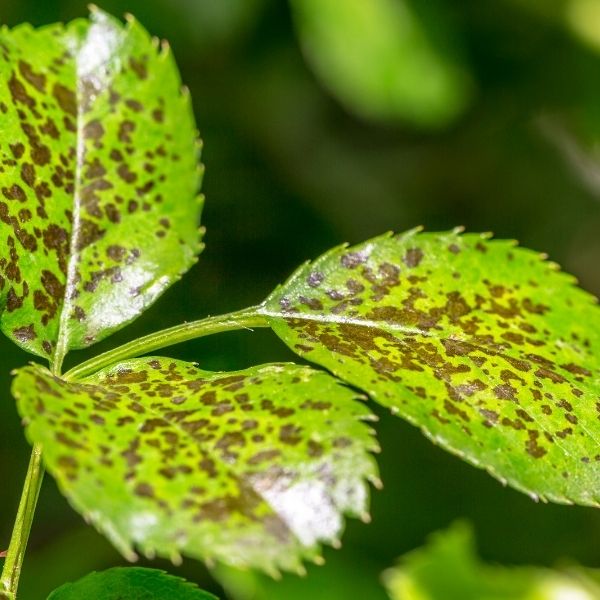

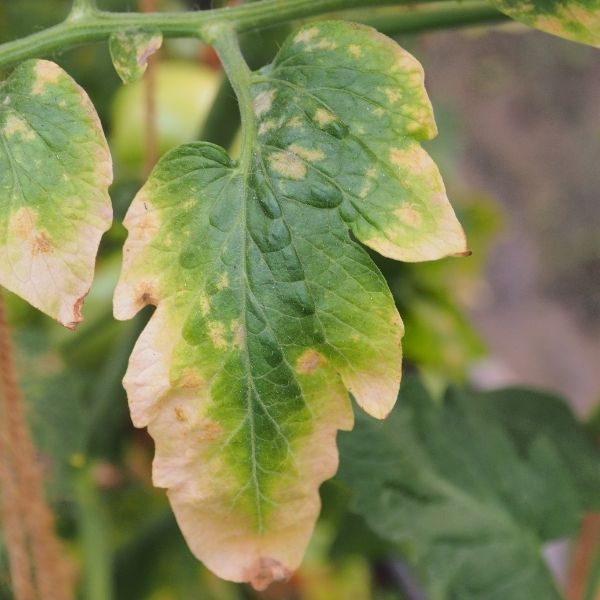

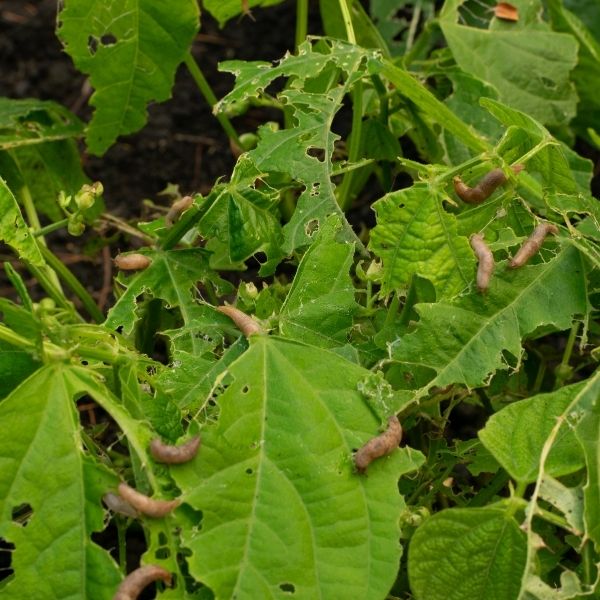
Aphids: These sap-sucking insects can still appear on winter vegetables and new growth, especially in mild conditions. Check regularly and treat early.
Cold and frost damage: In colder inland areas, frost can burn tender plants, while cold winds can stress sensitive species. Protect vulnerable plants or move containers to sheltered spots.
Fungal diseases: Cool, moist conditions can encourage diseases like downy mildew and leaf spot. Ensure good airflow and avoid watering leaves late in the day.
Mealybugs: These cottony pests may appear on indoor or sheltered plants, feeding on sap and weakening growth.
Nutrient deficiencies: Cold soils can limit nutrient uptake, leading to yellowing leaves or poor growth, especially in vegetables.
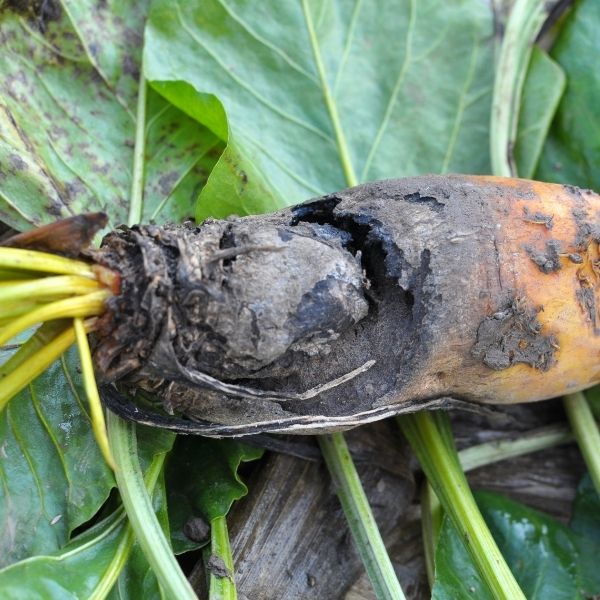
Overwatering and root rot: Slower growth means plants need less water; waterlogged soil can lead to root rot and unhealthy plants. Ensure good drainage and reduce watering frequency.
Scale insects: These sap-sucking pests can be more noticeable in winter on stems and leaves of shrubs and indoor plants.
Slugs and snails: Active in damp, shady areas, feeding on seedlings and leafy crops, often at night.
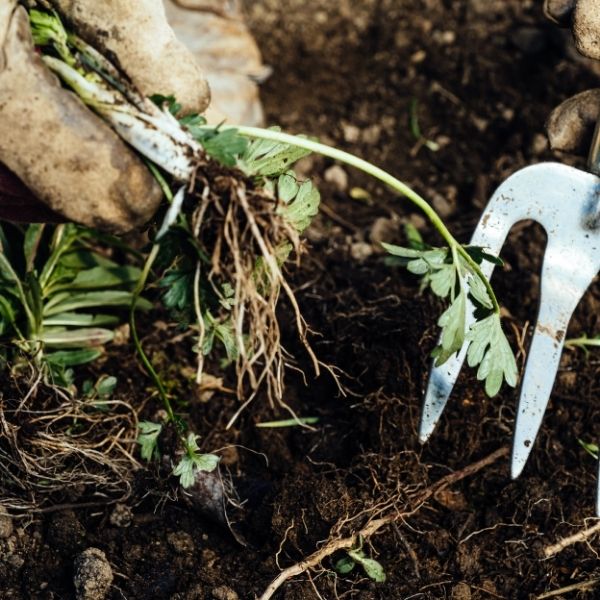
Weeds: While growth is slower, winter weeds still compete for nutrients and space. Remove them early to keep beds tidy.