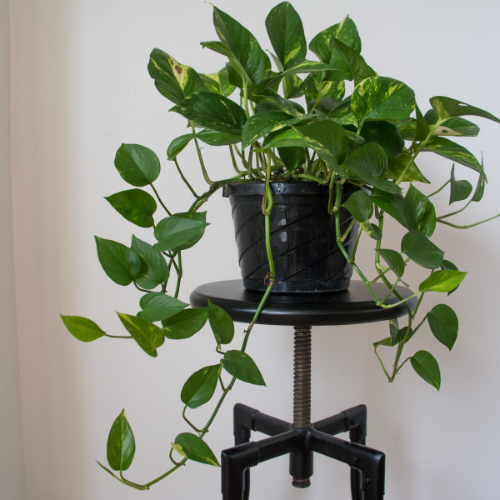
Scindapsus aureus or Pothos

Scindapsus aureus (Pothos)

A versatile indoor favourite known for its trailing, heart-shaped leaves and effortless growth

Thrives in Bright to
Medium Light

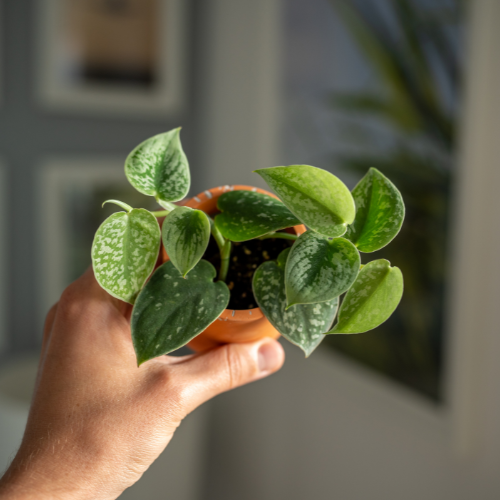
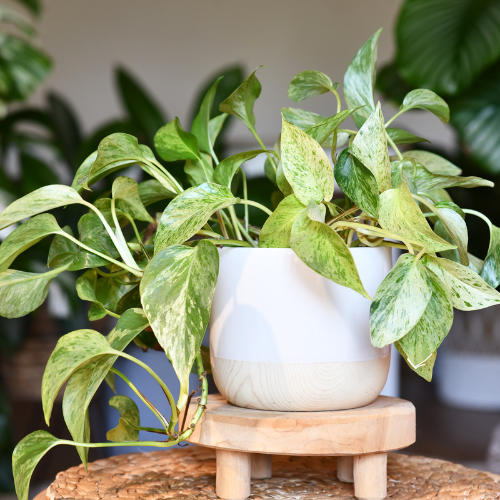
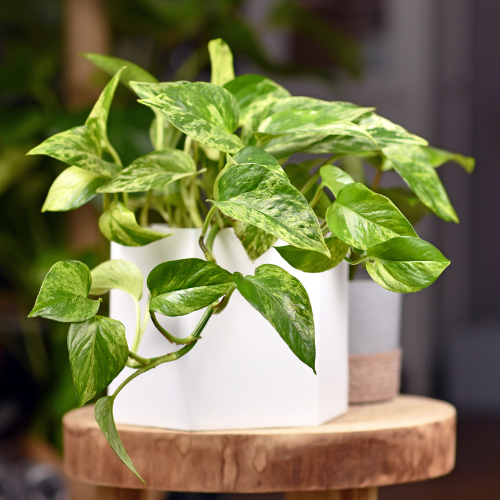
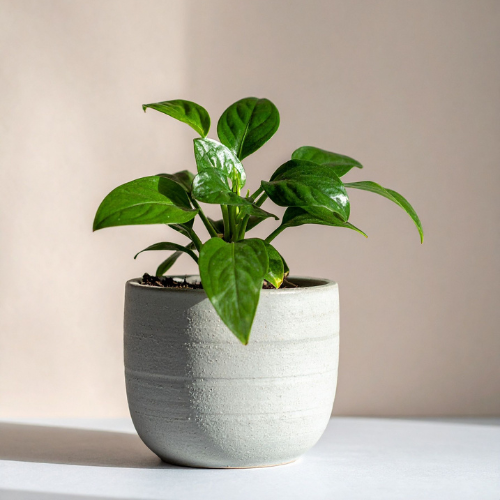
Though lacking blooms, this tropical vine which is similar to philodendron, comes in an array of foliage colours and patterns. Nearly fool-proof even for beginners, pothos are forgiving of neglect, virtually pest and disease-free, and tolerant of low light, making them a good choice for darker rooms and offices.  You can display these beautiful trellising plants in a hanging basket, or they will drape gracefully off of shelving.  On top of being easy to take care of, it is a natural air purifier making it a great bedroom addition.
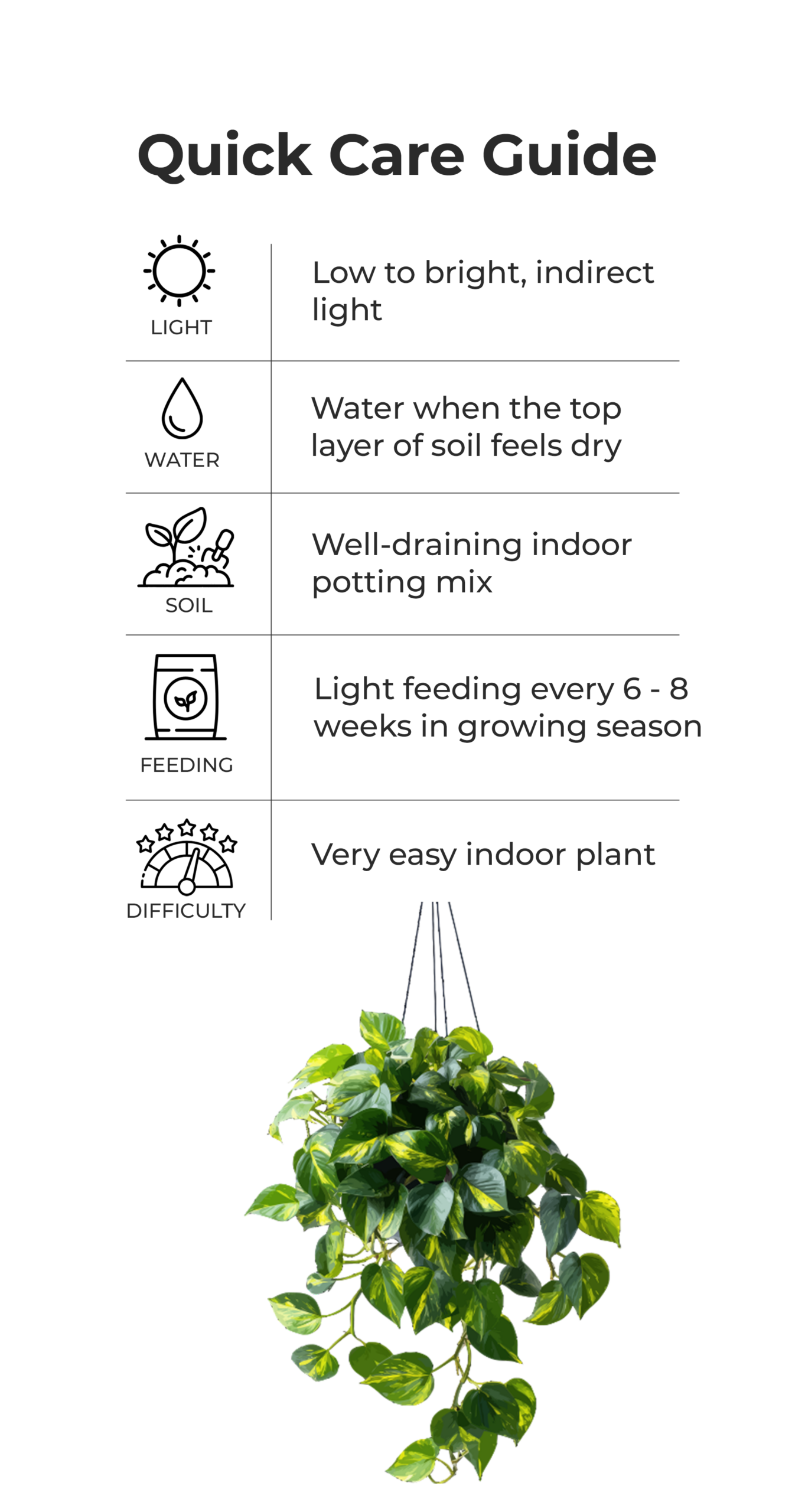
GUIDANCE FOR SUCCESSFUL INDOOR GROWING

Scindapsus aureus Growing & Care Guide

FAQ

Why are my Pothos leaves turning yellow?

Yellow leaves are usually caused by overwatering or poor drainage. Allow the soil to dry slightly between watering and make sure the pot drains well.

Why are the leaves of my Pothos losing their variegation?

When grown in very low light, the leaves may lose some of their creamy variegation. Moving the plant to brighter indirect light will help maintain its colour.

Why are my Pothos vines becoming long and sparse?

Leggy growth often means the plant needs more light or occasional pruning. Trimming the vines encourages fuller, bushier growth.

Where do Pothos Work Best Indoors?

Hanging baskets in living rooms, shelves and bookcases, office desks, bedrooms with soft natural light, bathrooms with good natural light, trailing from plant stands or wall planters.

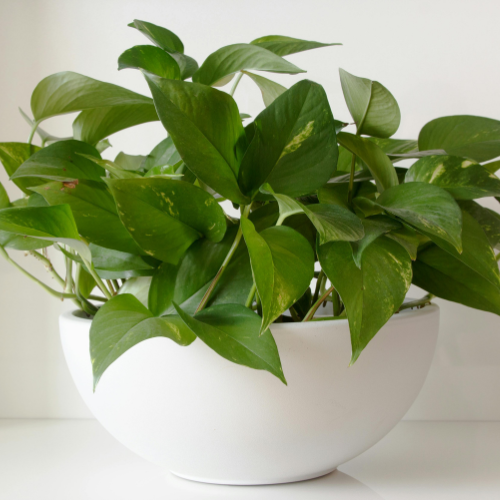
Light

Pothos prefer bright, indirect light, but will happily tolerate medium and low light. The variegated types require more light than the non-variegated. Your Pothos will not do well in direct sunlight–the sunlight can burn the foliage.

WATER

Allow the soil to dry out between watering your pothos.  Poke down into the soil gently to see if the top 5cm are dry. When it seriously needs more water, it’s leaves will start to curl. Flush the soil with water for and empty any saucer/drip-tray under the pot to make sure that the roots don’t drown and get over-hydrated.  Pothos do enjoy humidity, making them a good choice for bathrooms.  It will enjoy being spritzed occasionally, or being placed on top of a pebble tray filled with water to create humidity.

SOIL

Pothos will do well in almost any kind of soil, as long as it’s well-draining and nutrient-rich. You can choose any potting soil and prepare it by combining peat moss and perlite for moisture retention and aeration. Avoid using regular garden soil as it is too heavy for pothos.

FERTILISER

Pothos are light feeders so an application of general fertilizer is only required once every month or so from during the spring and summer months to keep plants looking healthy.

REPOTTING

Check your pothos for re-potting approximately every two years.  If it’s getting root-bound  and ready to be repotted, look for a new pot that’s about 5cm larger in diameter. Use containers with drainage holes, so your roots don’t get waterlogged. If your vines are long, gently tie them to keep them out of the way until you’re finished. Always use a well-draining soil to prevent overwatering and root rotting issues.

COMMON ISSUES

  • Yellowing leaves: Often from overwatering.  Check soil moisture and let it dry more between waterings.
  • Brown leaf tips: May be from low humidity or inconsistent watering.  Adjust care, mist occasionally.
  • Leggy growth: Low light.  Try brighter indirect light or rotate plant regularly.

SPECIAL NOTES

Pothos is one of the most popular indoor plants thanks to its vining growth and attractive variegation. It’s forgiving, easy to propagate, and great for shelves, hanging baskets or trellises. Wiping foliage with a damp cloth helps remove dust and improves light absorption.

 
DISCLAIMER:  (Note: The information provided in this article is based on general guidelines for cultivating Scindapsis. Individual plant care may vary, so always observe your plant’s specific needs and adjust your care accordingly.)
The information presented on this website is intended solely as a general guide. We neither endorse specific plant varieties over others nor claim expertise in stock performance. All information is believed to be accurate, based on private inquiries and experiences, and is provided in good faith. Blackwood’s, including its employees, disclaims any responsibility for harm, loss, cost, or damage arising from the use or reliance upon any information on this website, especially if any part of the information proves to be inaccurate or incomplete. Please note that the displayed photos are not representative of current stock but are used for illustrative purposes only.