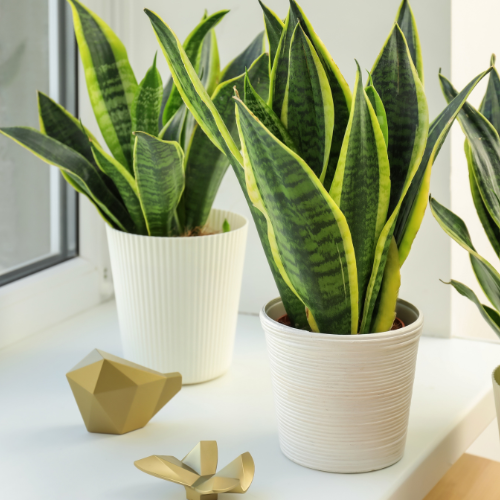
Sansevieria

Sanseveria (Mother-in-Law's Tongue / Snake Plant)

A hardy indoor classic valued for its upright form and exceptional ease of care

Thrives in Bright, Medium
and Low Light

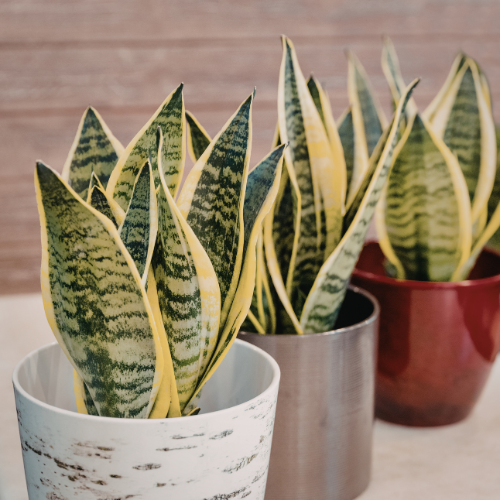
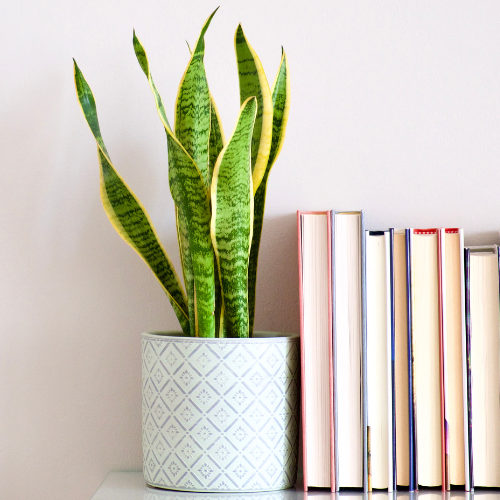
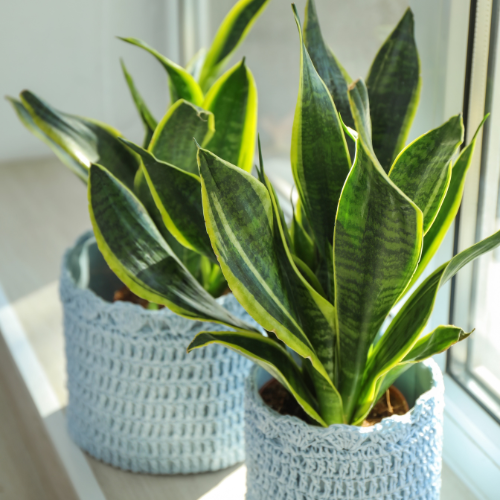
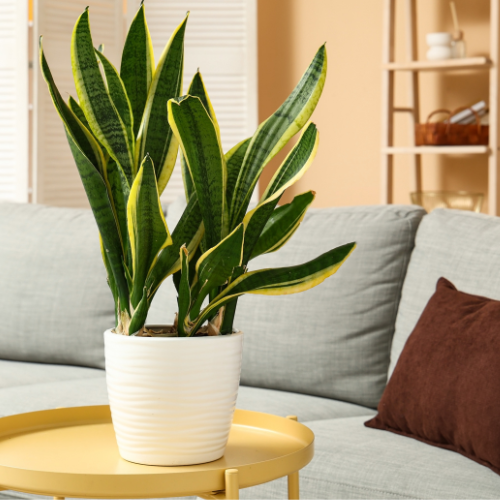
Sansevieria, commonly known as Mother-in-law’s Tongue, or snake plant, is a versatile and robust indoor plant with upright, sword-like leaves. They bring lots of visual interest to the environment and are very low-maintenance, making them ideal beginner plants.
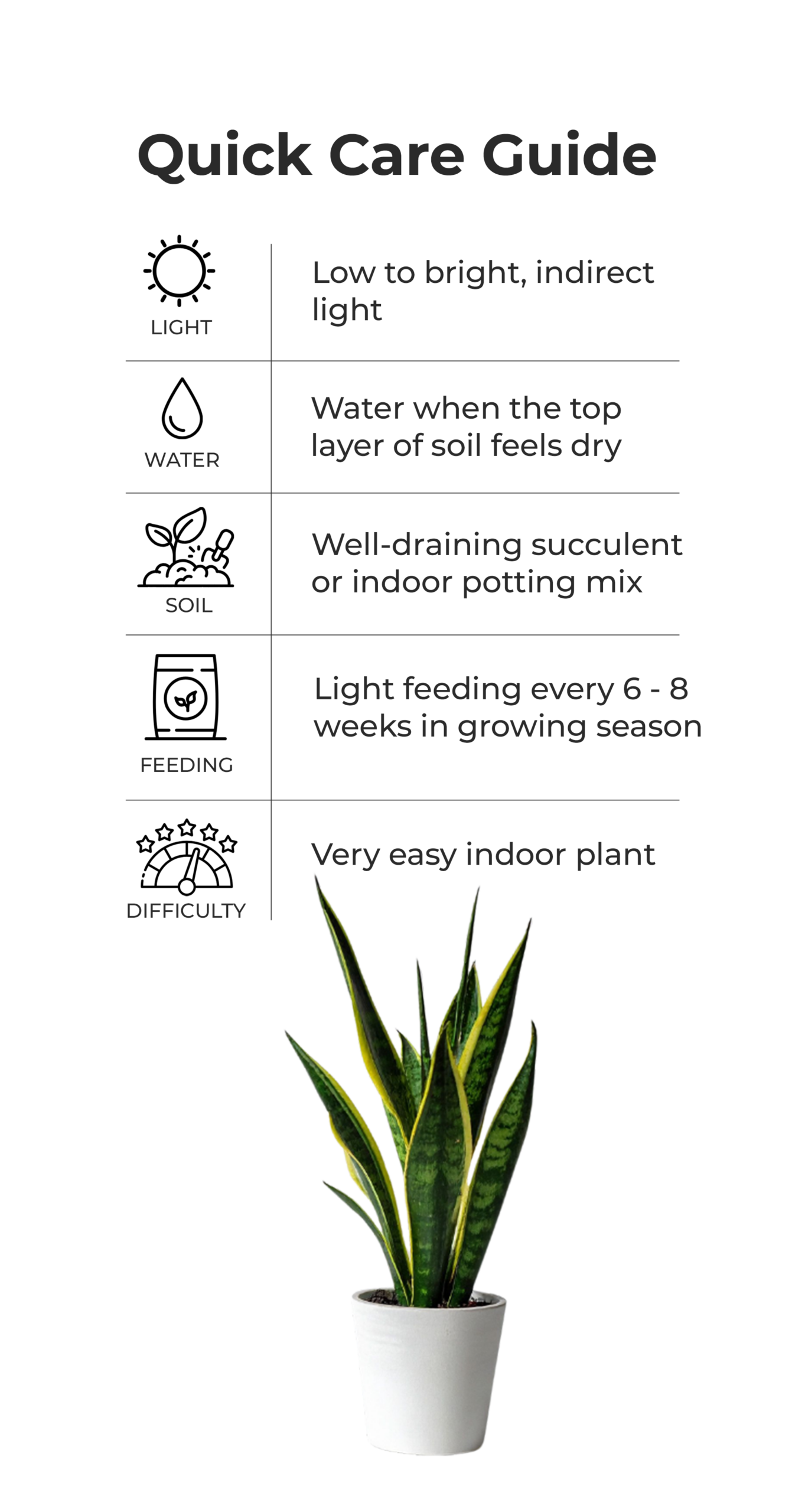
GUIDANCE FOR SUCCESSFUL INDOOR GROWING

Sanseveria Growing & Care Guide

FAQ

Why are my Sansevieria leaves turning yellow?

Yellow leaves are usually caused by overwatering. Snake plants prefer dry soil and should only be watered once the potting mix has dried out.

Can Sansevieria grow in low light?

Yes. Sansevieria is well known for tolerating low light conditions, which makes it an excellent choice for offices and rooms with limited natural light.

Why are my Sanseveria leaves falling over?

Leaves may fall over if the plant has been overwatered or if the soil stays too wet. Ensure the pot drains well and allow the soil to dry between watering.

Where do Sanseveria Work Best Indoors?

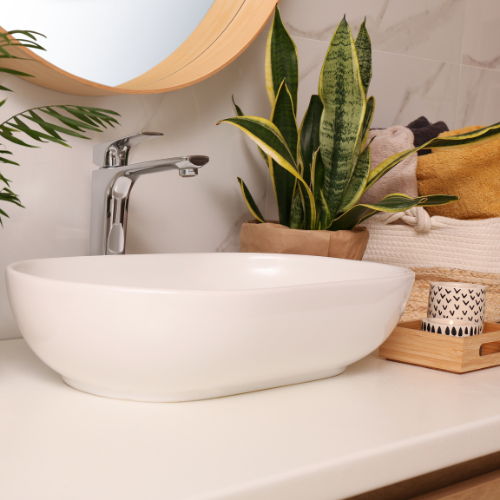
Bedrooms, office desks, living room corners, hallway tables, bathrooms with natural light, entryways and reception areas.

Light

Sansevierias thrive in a variety of light conditions, ranging from low to bright indirect light.  While they can tolerate a spot in low-light environments, they will adapt well to brighter settings. Avoid direct sunlight exposure, as it may scorch the leaves.

WATER

Sansevierias are known for their drought-tolerance. Allow the soil to dry out between waterings, and water sparingly. Overwatering can lead to root rot. (Root rot is when the plant stays wet for too long and the roots begin to rot). These plants are well-suited for those who may forget to water occasionally. Just note that sansevierias do not like their leaves to be wet, so when watering, pour the water on the soil and try to avoid getting any water on the leaves.

SOIL

Use a well-draining potting mix for Sansevieria. A cactus or succulent mix is suitable, as it prevents waterlogged soil.  Adding a scoop of Perlite is a wonderful addition if you’d like to maximize the soil’s aeration. Also ensure that your pot has drainage holes to allow excess water to run out.  This promotes healthy root conditions.

FERTILISER

Feed Sansevierias with a balanced liquid fertiliser during the growing season (spring and summer). Dilute the fertiliser to half strength and apply every four to six weeks. Avoid over-fertilising, as Sansevierias prefer a more restrained feeding schedule.

REPOTTING

Repot every two to three years or when the plant outgrows its current container, ideally during the spring or when new growth begins. 

COMMON ISSUES

  • Overwatering: Be cautious not to overwater, as Sansevierias are susceptible to root rot.
  • Pests: These plants are generally pest-resistant, but inspect for spider mites or mealybugs and treat if necessary.

SPECIAL NOTES

Sansevierias are excellent air-purifiers, removing toxins from indoor spaces. They are an ideal choice for beginners and those seeking low-maintenance greenery.

 
DISCLAIMER:  (Note: The information provided in this article is based on general guidelines for cultivating Sanseveria. Individual plant care may vary, so always observe your plant’s specific needs and adjust your care accordingly.)
The information presented on this website is intended solely as a general guide. We neither endorse specific plant varieties over others nor claim expertise in stock performance. All information is believed to be accurate, based on private inquiries and experiences, and is provided in good faith. Blackwood’s, including its employees, disclaims any responsibility for harm, loss, cost, or damage arising from the use or reliance upon any information on this website, especially if any part of the information proves to be inaccurate or incomplete. Please note that the displayed photos are not representative of current stock but are used for illustrative purposes only.