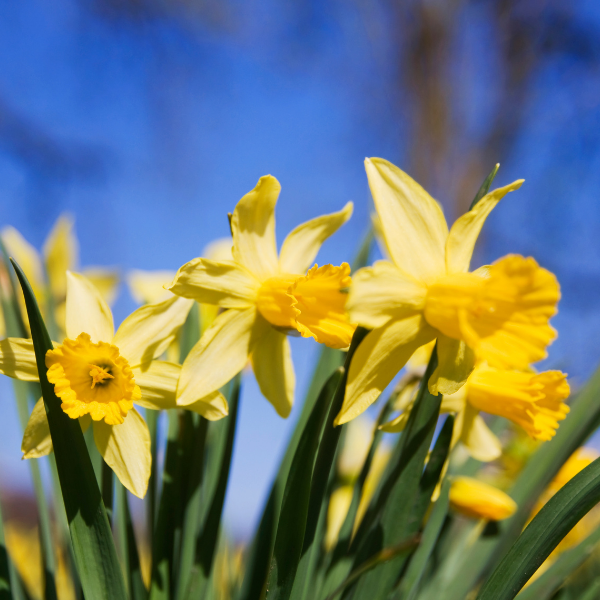
Planting out winter and spring flowering bulbs, like freesias, sparaxis, tritonias, Dutch irises, hyacinths, lachenalias, ranunculus and anemones will ensure robust growth and spectacular flowers in late spring or summer.
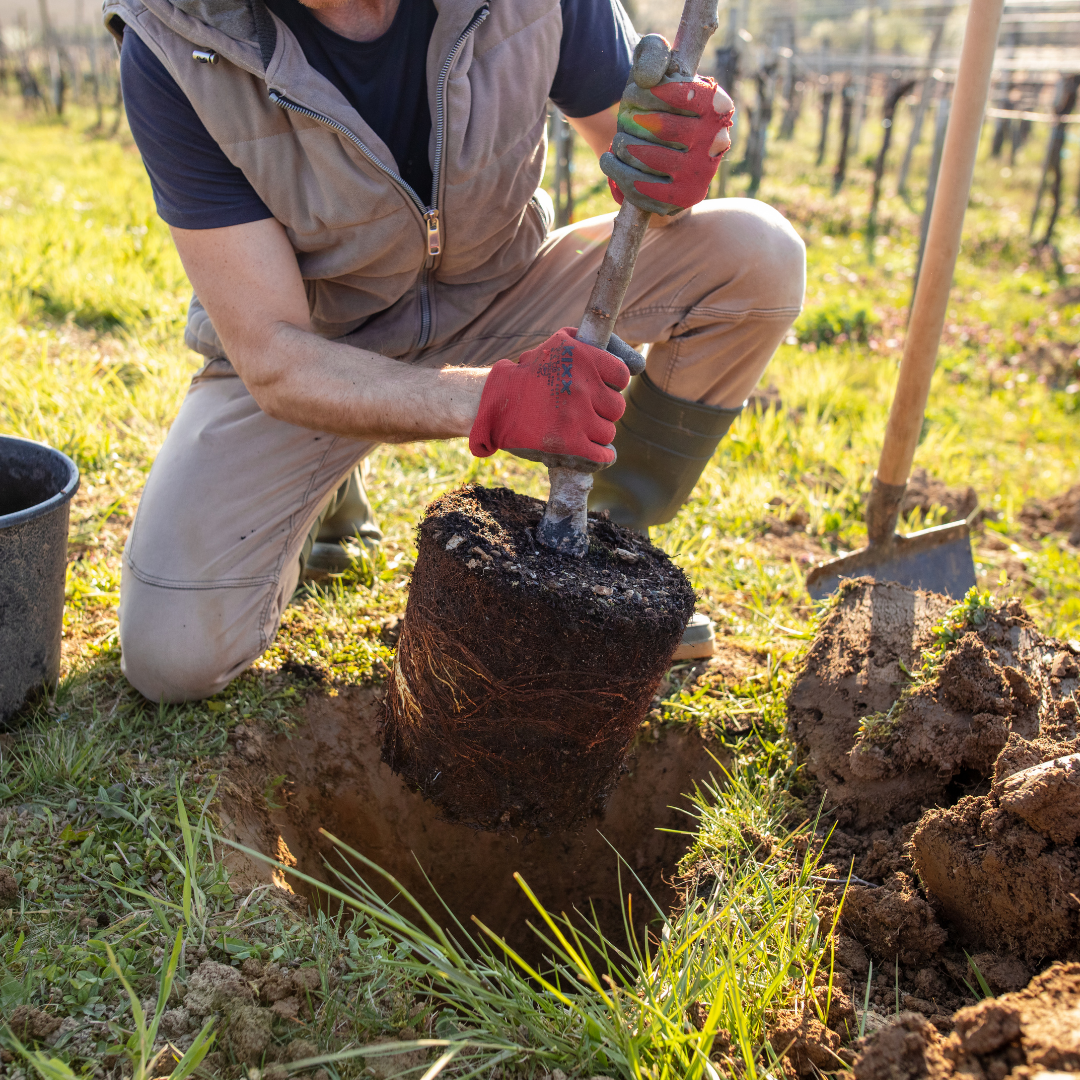
Mid-Autumn is the best time to plant out new trees and shrubs, roses and climbers as the soil is still warm, but cooler temperatures reduce stress and water demand.
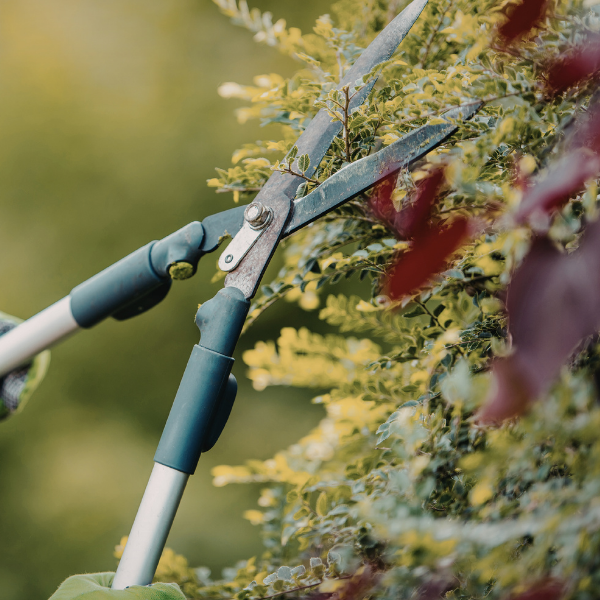
Prune back autumn flowering shrubs as they finish blooming. In warmer climates, this is a good time to prune back large or overgrown hedges.
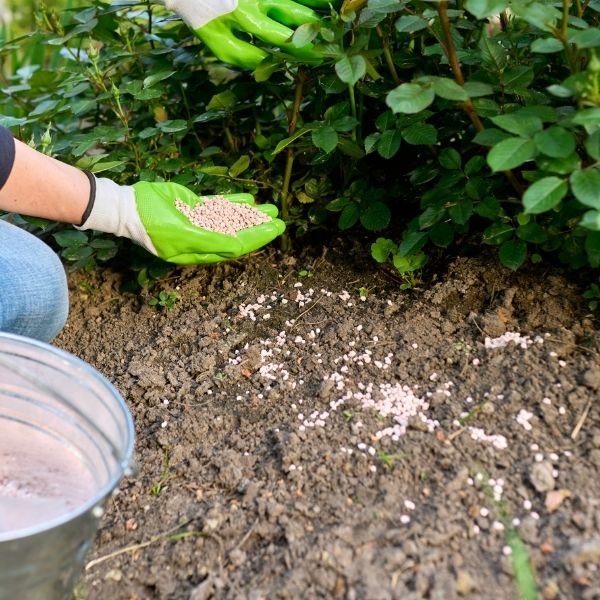
Apply slow-release fertilisers to trees, shrubs and established garden beds. This feeds plants as they settle into cooler months and helps maintain strong roots and foliage through autumn.
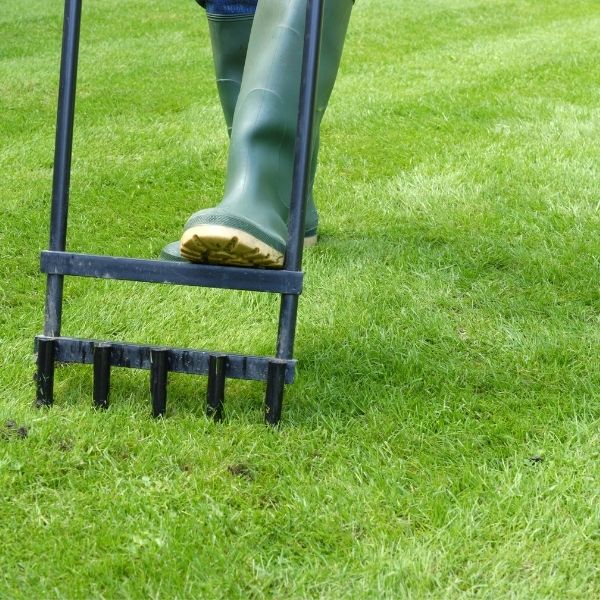
Aerate, dethatch, or fertilise lawns while growth is still active but slowing down. Overseeding thin patches helps lawns stay healthy and green over winter, ready for vigorous spring growth.
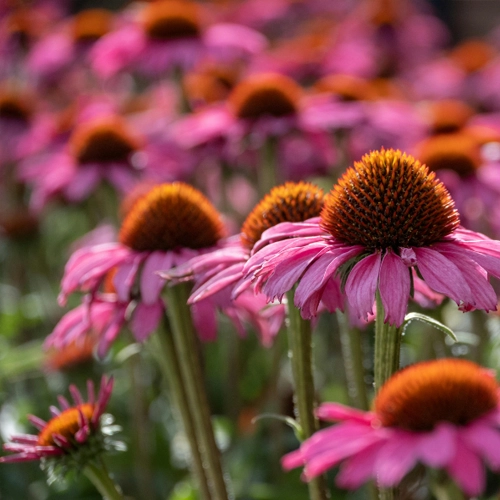
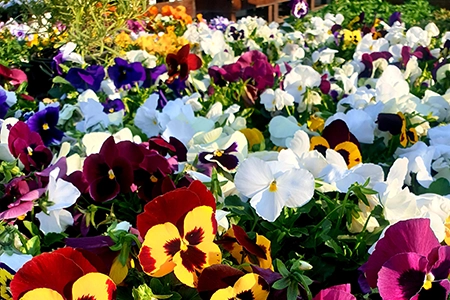
Plant out hardy perennials: Penstemons, delphiniums, echinaceas, salvias and gaura.
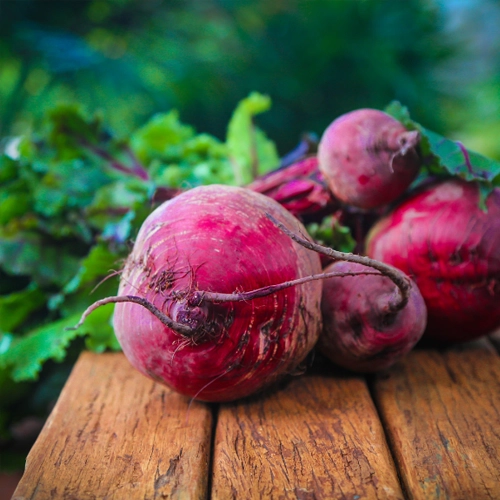
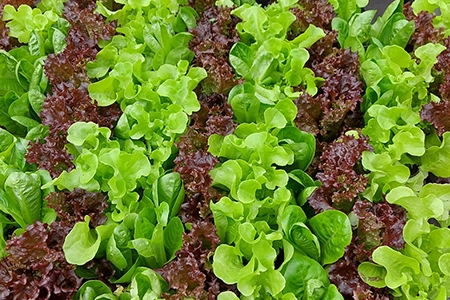
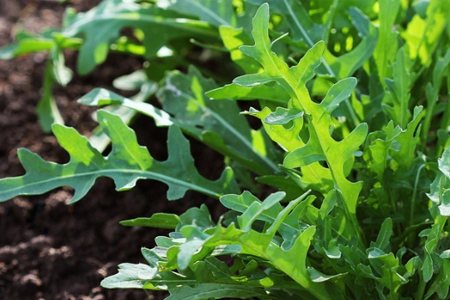
Plant Autumn and Winter Vegetables: Sow or transplant brassicas, carrots, beetroot, lettuce, and other cool-season crops.
Divide and Transplant Perennials: Lift overgrown clumps and replant to give plants a new lease of life.
Spray roses: Roses that are still in full growth can still be sprayed every fortnight against fungal infection.
Prune Lightly: Trim back untidy growth, remove dead or damaged branches, and tidy shrubs. Avoid heavy pruning now as plants slow down.
Apply Mulch: Mulch around plants to retain moisture, protect roots, and suppress weeds.
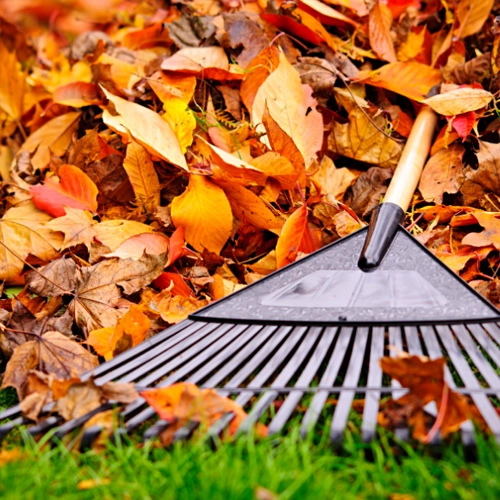
Feed and Maintain Lawns: Apply root promoting fertiliser like 2:3:2 or an organic alternative for the last time before winter. This will ensure healthy lawns when spring growth commences. Rake leaves, remove weeds and continue watering until cooler weather reduces demand.
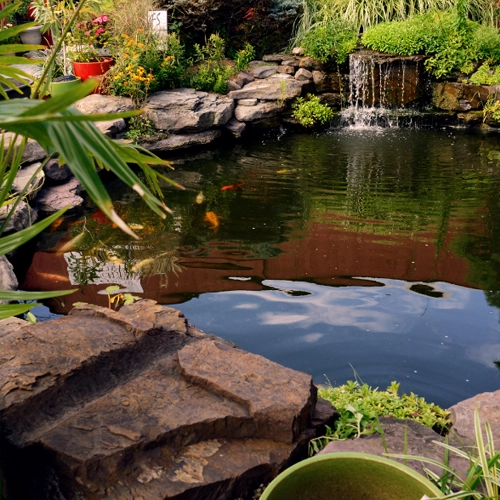
Protect pools and water features: Clear falling leaves from pools and water features.
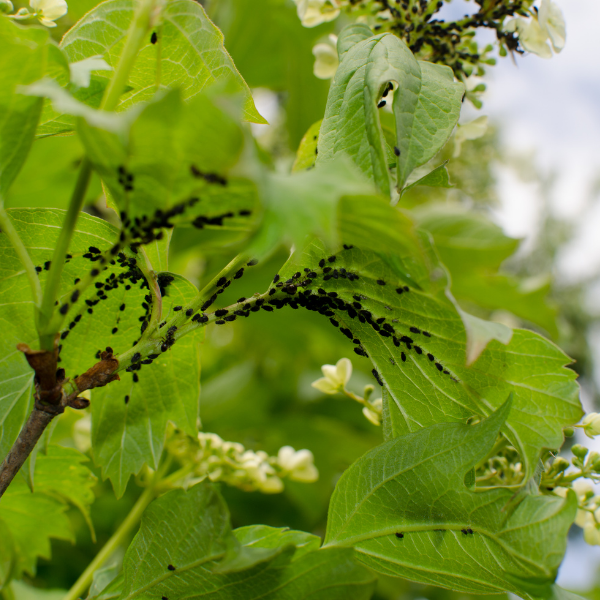
Aphids and whitefly: Sap-sucking insects on new growth that weaken plants and can spread disease.
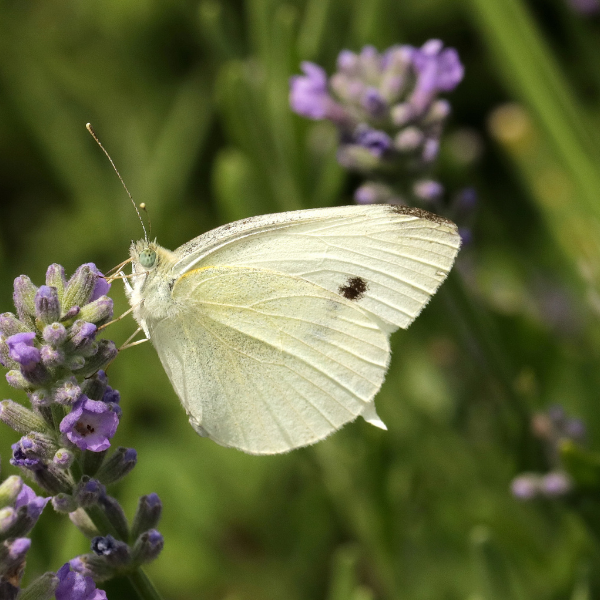
Cabbage butterflies and caterpillars: Eggs laid on brassicas hatch into caterpillars that chew leaves; protect young plants with netting.
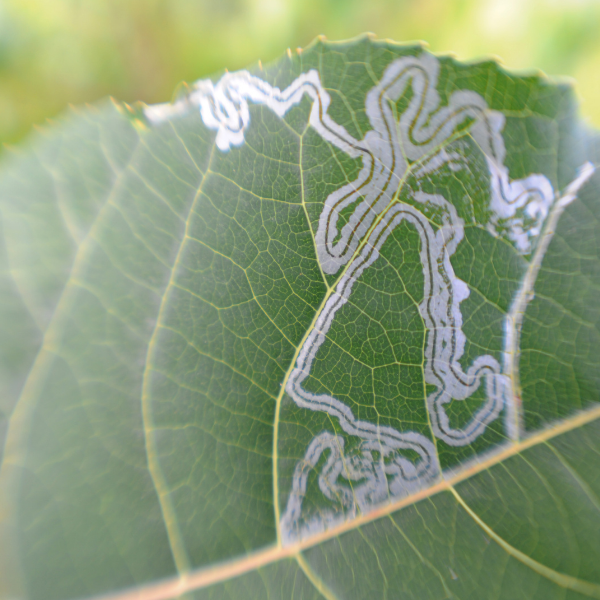
Leaf miner: Larvae tunnel inside leaves of vegetables and ornamentals, leaving visible trails.
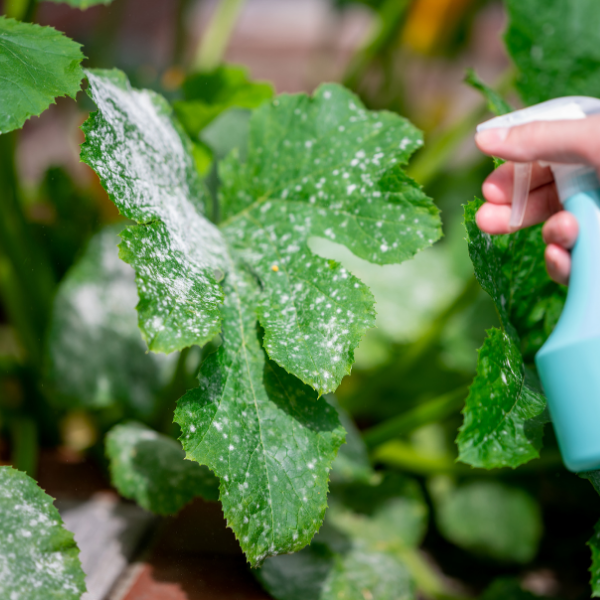
Powdery mildew: White powdery coating on leaves, especially on cucurbits, roses, and ornamentals; good airflow and early treatment help control it.
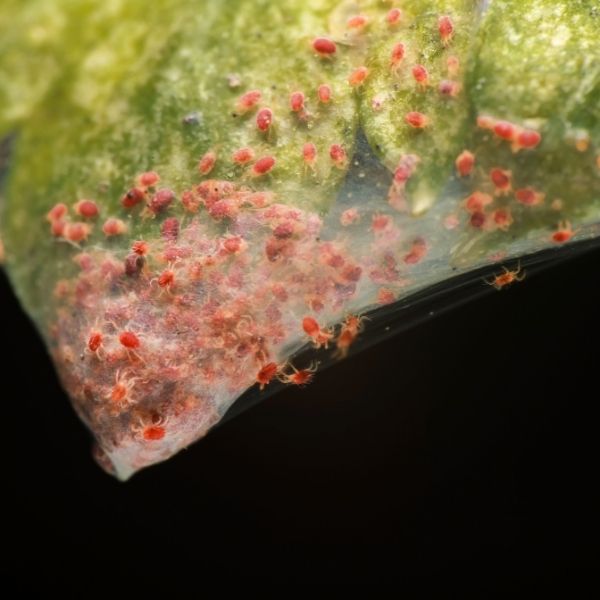
Red spider mites: Tiny pests that leave speckled, dusty foliage and can stress plants, especially in sunny spots.
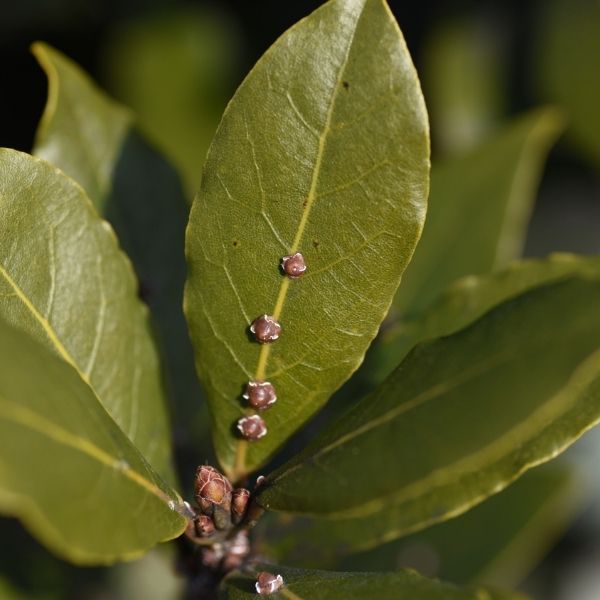
Scale insects: Sap-sucking insects on woody shrubs and ornamentals; usually minor but worth monitoring.
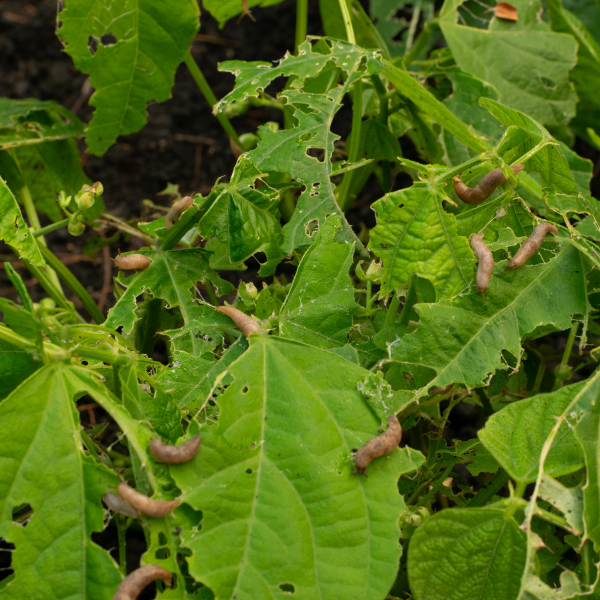
Snails and slugs: Feed on tender leaves, seedlings, and vegetables in damp spots; remove debris and use barriers if necessary.
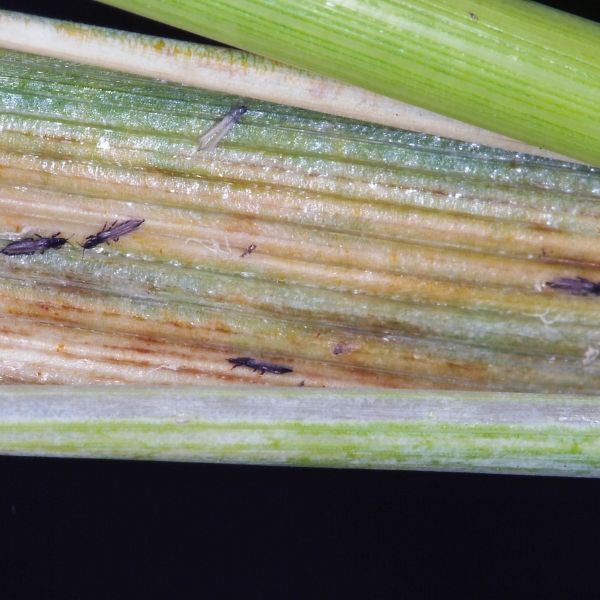
Thrips: Small, slender insects that damage flowers and leaves, causing silvery streaks or distorted blooms.
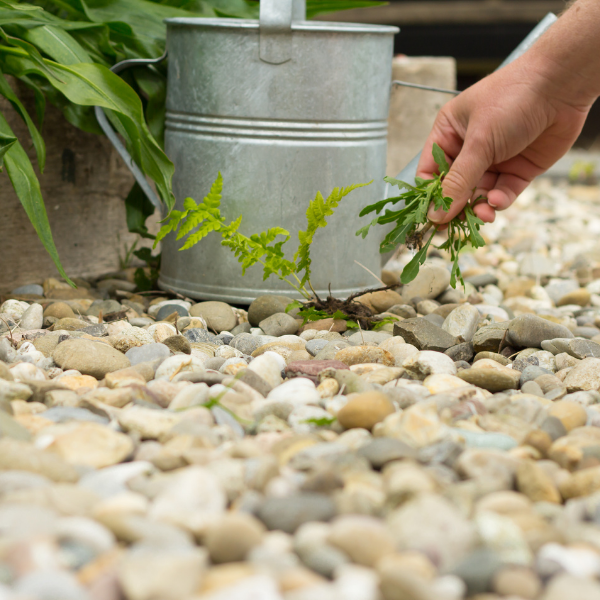
Weeds: Rapidly germinating plants that compete for water and nutrients; remove early to prevent seed setting.
Leaf spot / Rust: Mild fungal diseases that can appear on ornamentals and vegetables in cooler, damp conditions.