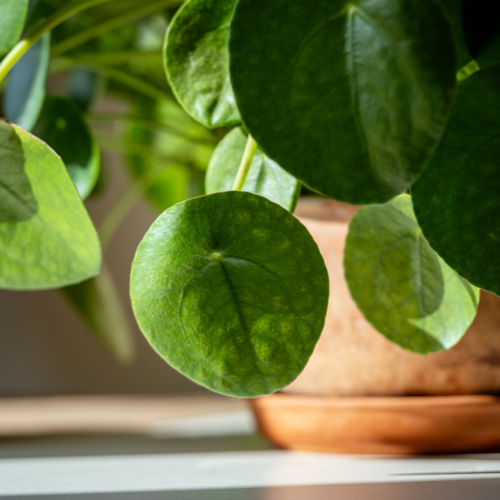
Pilea Peperomioides

Pilea Peperomioides (Pancake Plant)

A much-loved indoor plant prized for its round, coin-shaped leaves and modern appeal

Thrives in Bright,
Indirect Light

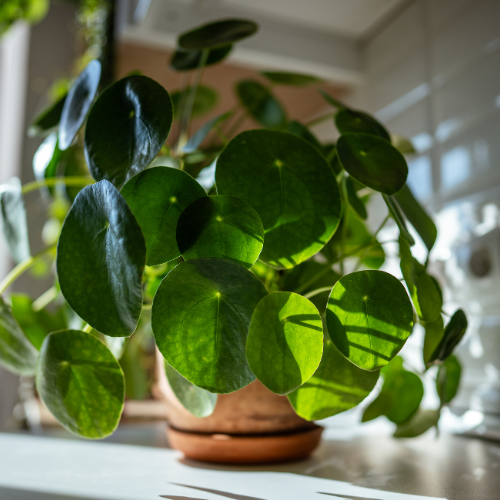
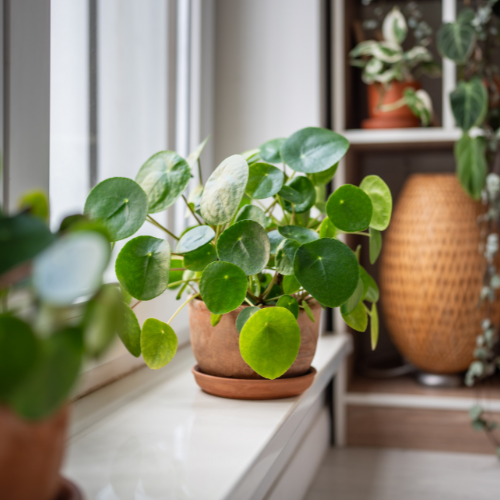
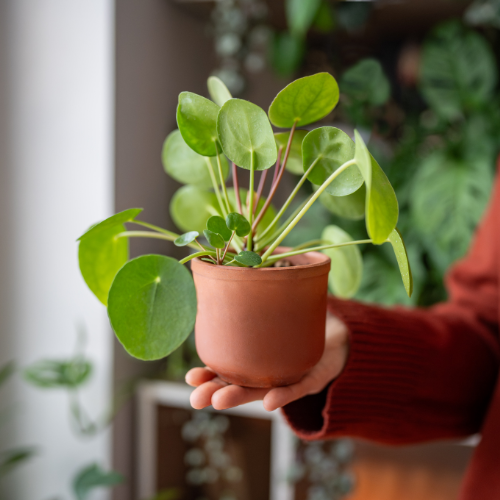
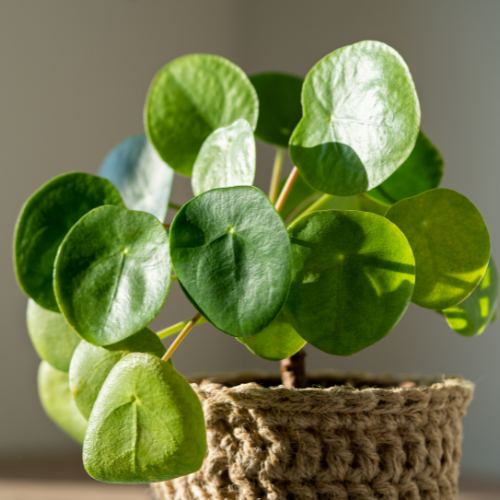
Pilea Peperomioides, commonly known as the Pancake Plant or the Chinese Money Plant, is an enchanting houseplant that has captured the hearts of plant enthusiasts worldwide. With its distinctive round leaves and easy-care nature, this green gem is a must-have addition to any indoor garden. Let’s explore the secrets to cultivating and nurturing this delightful plant to ensure it thrives in your home.
GUIDANCE FOR SUCCESSFUL INDOOR GROWING

Pilea Peperomioides Growing & Care Guide

FAQ

Why are my Pilea leaves turning yellow?

Yellow leaves are usually caused by overwatering. Allow the top layer of soil to dry slightly before watering again and make sure the pot drains well.

Why is my Pilea becoming tall and leggy?

Leggy growth is normally caused by insufficient light. Move the plant to a brighter spot with indirect sunlight and rotate the pot occasionally to keep growth even.

Why is my Pilea producing small baby plants?

Pilea peperomioides naturally produces small plantlets, often called “pups,” around the base of the plant. These can be gently separated and replanted to grow new plants.

Where do Pilea Work Best Indoors?

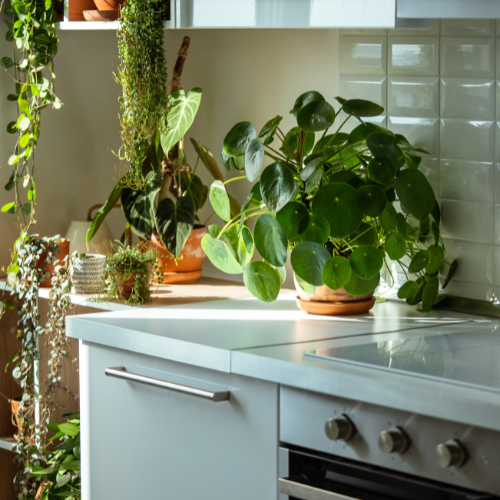
Bright windowsills, office desks, living room shelves, kitchen counters with natural light, bedrooms with filtered light, small side tables or plant stands.

Light

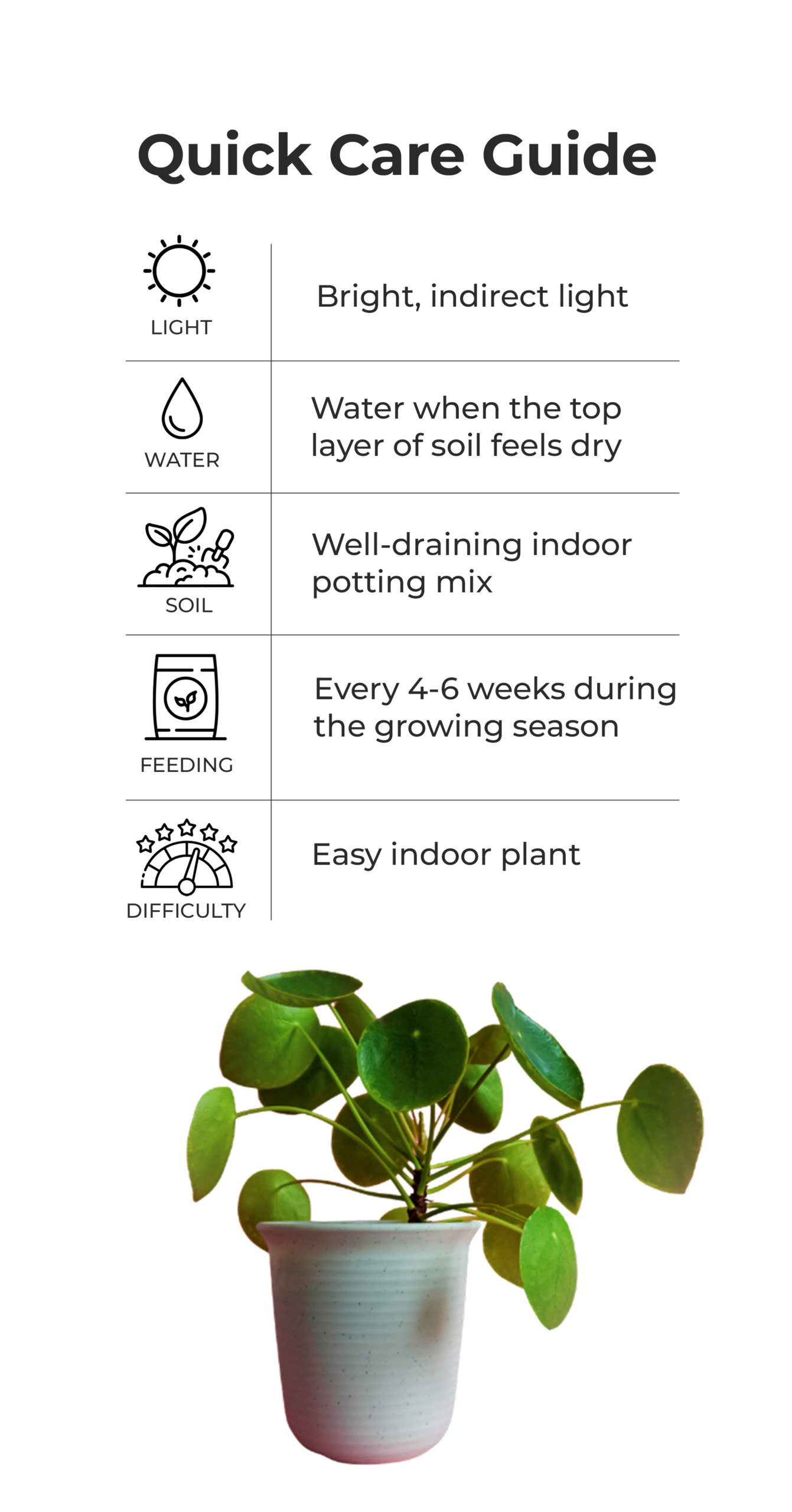
To unlock the full potential of your Pilea Peperomioides, lighting is key. Find a bright spot in your home, preferably near a window with filtered sunlight. Avoid exposing it to direct sunlight, as this may scorch its leaves. You should also make sure that you wipe the dust off the leaves now and then to ensure that they can continue to receive the light they need.

WATER

Pilea Peperomioides appreciates consistently moist soil, but it’s important not to overwater them. Overly saturated soil can lead to root rot. To maintain the right moisture level, water your Pilea thoroughly when the top inch of soil feels dry to the touch. Allow excess water to drain from the pot to prevent water-logging, and never let the plant sit in standing water.

SOIL

Well-draining soil is the secret to a flourishing Pilea. Opt for a high-quality potting mix with excellent drainage properties, enriched with organic compost for added nutrition. 

FERTILISER

During its active growing phase, which typically occurs during spring and summer, your Pilea will benefit from regular feeding. Choose a balanced liquid fertiliser and apply it approximately every two to four weeks. Dilute the fertiliser to half strength to avoid over-fertilisation, which can harm the plant. Come autumn and winter, reduce the frequency of fertilisation, allowing your Pilea to rest and prepare for its next vibrant growth spurt. 

REPOTTING

Pilea do like to have their roots mostly filling a container. However, you should repot when the plant becomes root-bound and roots emerge from the base of their pot. Gently remove the plant from its current container, loosen the root ball, and place it in a slightly larger pot with fresh potting mix. Pat down the soil gently and water your Pilea to settle it into its new home.

COMMON ISSUES

  • Drooping or wilting: Usually underwatered.  Give a thorough drink and then adjust watering frequency.
  • Yellow leaves: May result from overwatering.  Check drainage and let soil dry a bit between waterings.
  • Leaning toward light: Not enough bright, indirect light.  Rotate pot regularly.

SPECIAL NOTES

Pilea peperomioides is loved for its quirky, round leaves and easy-going nature.  They are perfect for beginners and busy plant lovers alike. Rotate the plant occasionally so all sides get light, and wipe leaves gently with a damp cloth to remove dust. Pilea also produces “pups” (baby plants) at its base.  These can be shared or potted up when ready!

 
DISCLAIMER:  (Note: The information provided in this article is based on general guidelines for cultivating Pilea Peperomioides. Individual plant care may vary, so always observe your plant’s specific needs and adjust your care accordingly.)
The information presented on this website is intended solely as a general guide. We neither endorse specific plant varieties over others nor claim expertise in stock performance. All information is believed to be accurate, based on private inquiries and experiences, and is provided in good faith. Blackwood’s, including its employees, disclaims any responsibility for harm, loss, cost, or damage arising from the use or reliance upon any information on this website, especially if any part of the information proves to be inaccurate or incomplete. Please note that the displayed photos are not representative of current stock but are used for illustrative purposes only.