January

January in the Garden

January is the height of summer in the garden. Hot temperatures and summer rains encourage rapid plant growth. While gardens are full of colour and productivity, regular watering, feeding and pest monitoring are essential.

January Quick Tips:

Watering

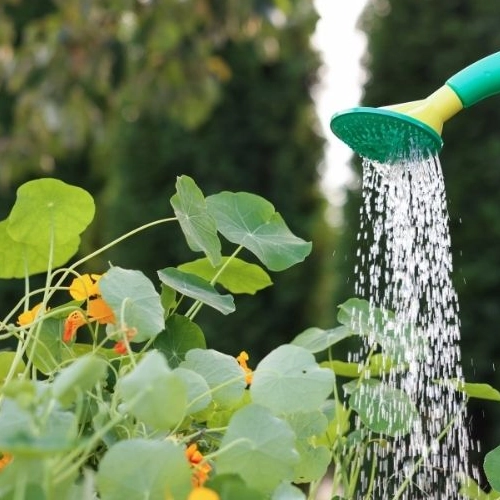
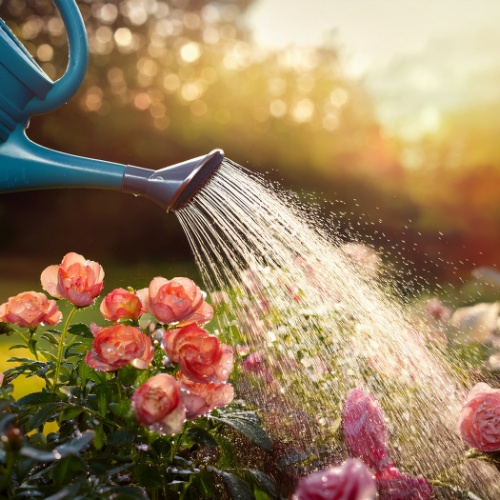
Ensure deep, consistent watering for all plants, especially during hot, dry spells. Early morning or late afternoon watering reduces evaporation and stress on plants.
Mulching

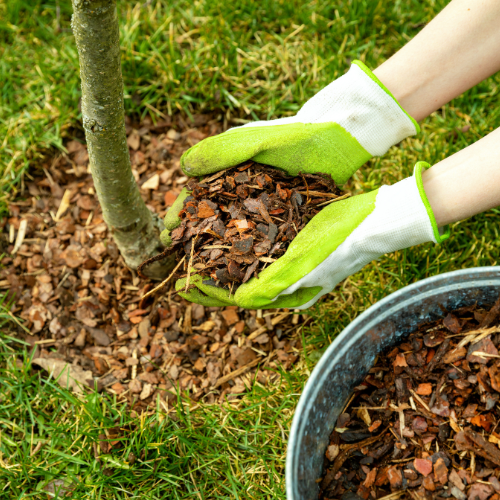
Top up mulch around trees, shrubs, and garden beds to conserve moisture, suppress weeds, and keep roots cool in the summer heat.
Deadheading

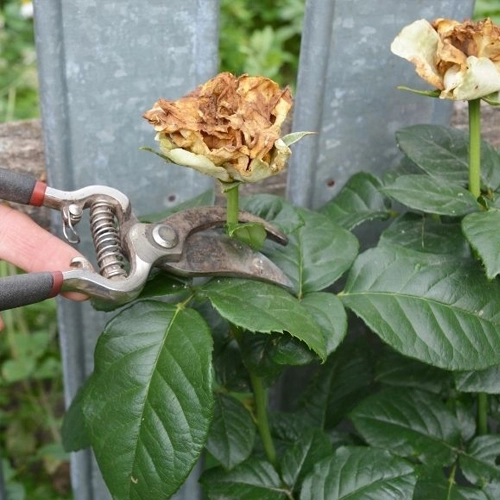
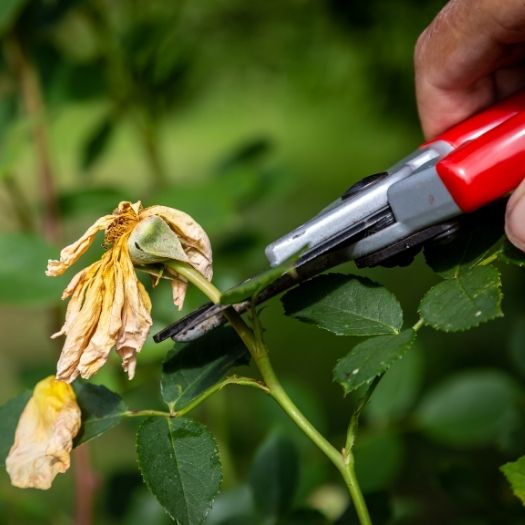
Remove spent flowers from roses, annuals, and perennials to encourage continuous blooming and prevent seed set, keeping the garden looking vibrant.
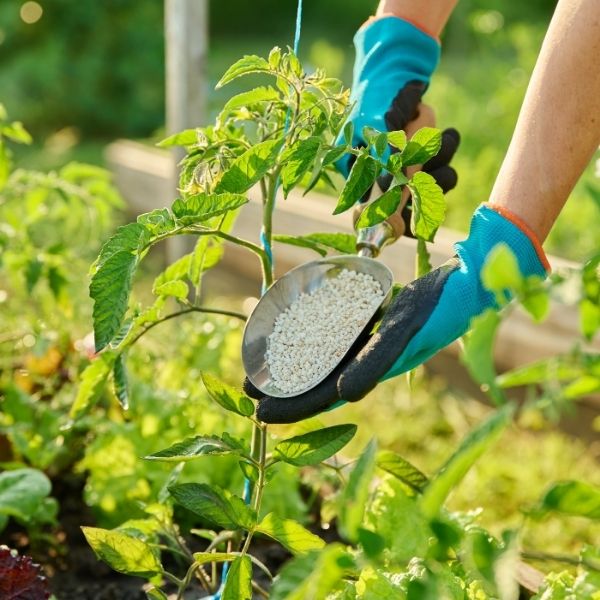
Fertilising

Apply a summer-friendly fertiliser to flowering shrubs, vegetables, and lawns to maintain strong growth and abundant blooms during the peak growing season.
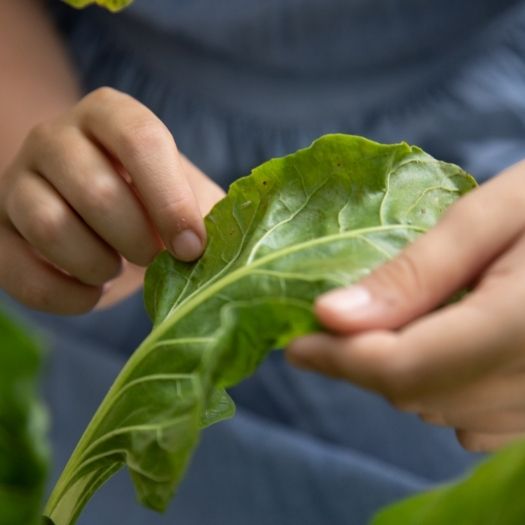
Pest Control

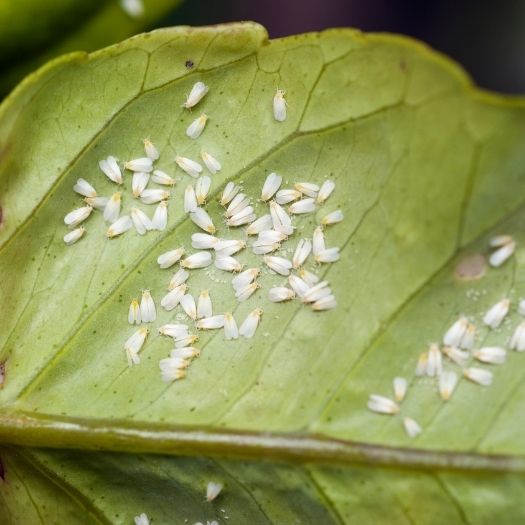
Inspect plants regularly for aphids, whitefly, red spider mites, and caterpillars. Remove damaged leaves, encourage natural predators, and seek advice if infestations get out of hand.

Top Garden Jobs in January:

The warmth and rainfall of January encourage rapid growth in the garden. Staying on top of a few key tasks will help your plants thrive through the hottest part of summer.

Water wisely during the heat:  Water deeply in the early morning so plants can absorb moisture before the day heats up. Containers and hanging baskets may need watering every day during very hot spells. Water hanging baskets and containers regularly, especially those placed under overhanging roofs and dense tree canopies, where rainfall doesn’t penetrate.

Sow seeds:  Seeds to sow now are primulas, poppies, pansies, foxgloves, aquilegias and delphiniums, along with many other cool season plants. These are all important spring garden flowers.

Deadhead summer flowers: Regularly remove faded blooms from annuals and perennials. This encourages plants to produce more flowers instead of setting seed. When a plant doesn’t need to produce seed, it puts its energy into making more flowers instead.

Feed fast-growing plants: January is a month of vigorous growth. Apply a balanced fertiliser to bedding plants, vegetables, and flowering shrubs to keep them performing well.

Lightly prune and tidy plants: Trim back leggy growth and remove damaged or overcrowded stems. This helps plants stay compact and encourages fresh growth.

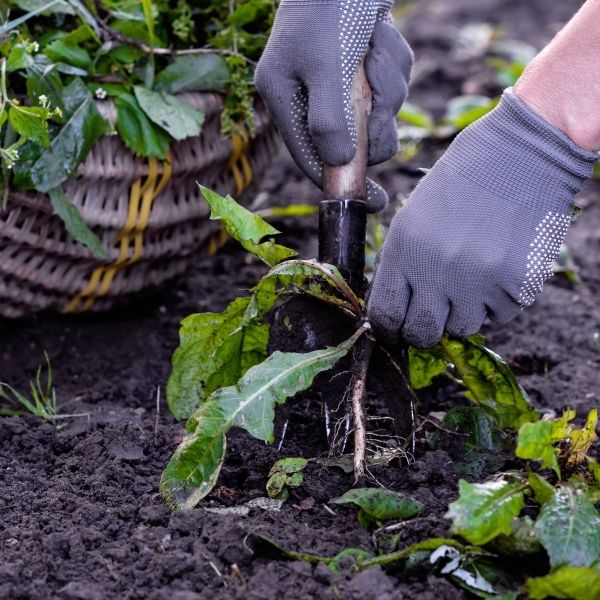
Keep weeds under control: Warm weather and rain mean weeds grow rapidly. Pull them out while they’re still small before they compete with your plants for water and nutrients.

Mulch:  Apply a deep mulch of acid compost to the root zones of camellias, azaleas and hydrangeas.

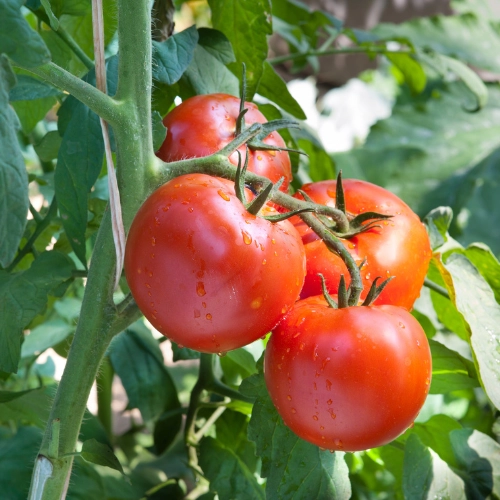
Harvest vegetables regularly: Pick beans, tomatoes, cucumbers and other summer crops frequently to keep plants productive.

Give roses some attention: Deadhead spent flowers and lightly prune stems to encourage another flush of blooms later in the season.
What to Plant in January:

Planting the right plants at the right time is the secret to a thriving garden. Each month offers wonderful opportunities to add colour, flavour and fresh growth to your garden. Here are some of the flowers, vegetables and herbs that grow well when planted this month.

Flowers

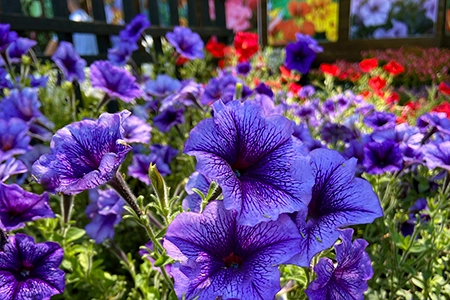
Petunias

Flowers (Seedlings)

  • BegoniasExcellent for shady areas with long-lasting, vibrant blooms.
  • CelosiaBold, feathery flowers that add striking texture and colour.
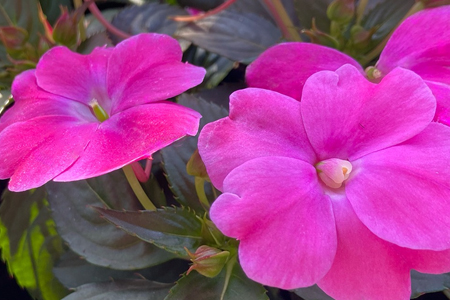
  • Impatiens Reliable choice for bright colour in shade or semi-shade.
  • MarigoldsBright, hardy flowers that thrive in sun and help deter pests.
  • PortulacaHeat-loving groundcover with vivid flowers that open in full sun.
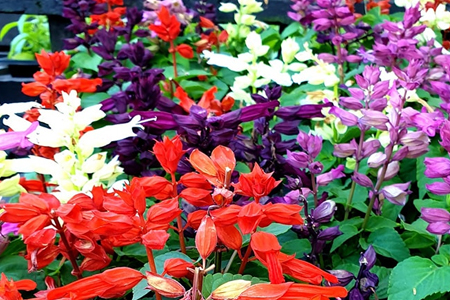
  • SalviaUpright spikes of colour that attract bees and butterflies.
  • VincaTough, heat-tolerant plants ideal for sunny, dry conditions.
  • ZinniasEasy-to-grow annuals with bold, cheerful blooms in a range of colours.

Flowers (Seeds)

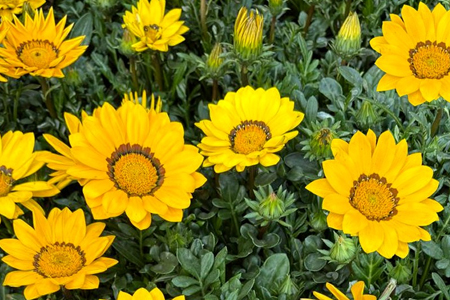
  • African daisiesBright, sun-loving flowers that add cheerful colour to summer beds.
  • AlyssumLow-growing and sweetly scented, perfect for edging and filling gaps.
  • BokbaaivygiesHardy, drought-tolerant plants with vibrant daisy-like blooms for sunny spots.
  • Sweet PeasClimbing plants with beautifully scented flowers, best supported on trellises.
  • Virginian stocksDelicate, fragrant flowers ideal for adding soft colour to borders and containers.


Vegetables

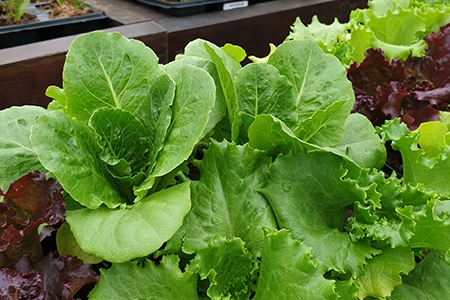
Lettuce Seedlings

Vegetables (Seedlings)

  • Broccoli
  • Cabbage
  • Cauliflower
  • Lettuce
  • Spinach

Vegetables (Seeds)

  • Broad Beans
  • Carrots
  • Parsnips
  • Peas
  • Radish
  • Turnip


Herbs

Sage

Herbs

  • Bay Leaf
  • Celery
  • Chives
  • Coriander
  • Fennel
  • Mint
  • Oreganum
  • Thyme

Summer Stars in the Garden

Indigenous, sun-loving, daisy-like flowers in a wide variety of bright hues that open fully in the sun. Perfect for borders, rockeries, or mass plantings, bringing a cheerful burst of colour to summer gardens.

Shade-tolerant bedding plants in a variety of bright colours. Ideal for borders, containers, or under trees, adding vibrant colour to shadier garden spots.

Vibrant spikes of bright flowers that bloom continuously through summer. Ideal for sunny borders, garden beds, or containers, adding long-lasting colour to any garden.

An indigenous, bold, architectural shrub with orange-and-blue flowers on strong stems make a striking summer display. Perfect as a feature plant in borders or as a tropical focal point.

Problems to watch for in the Garden in January

Hot, humid conditions encourage rapid plant growth,
but they also create ideal conditions for pests and diseases.

If you’re dealing with pests, diseases, or garden challenges, our knowledgeable team at your nearest Blackwood’s is here to help. We can advise on a range of solutions to suit your garden, from natural and organic options to safe chemical approaches, so your plants can thrive.

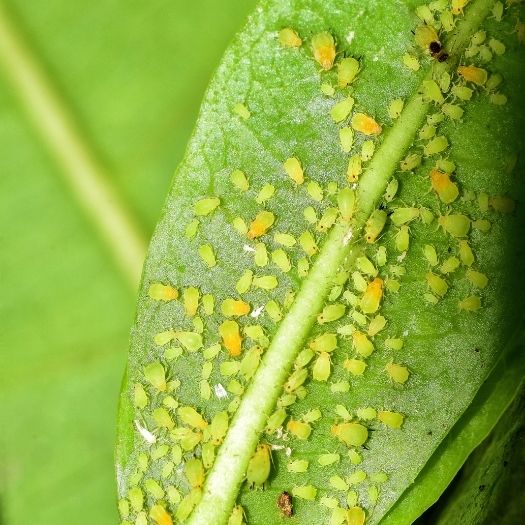
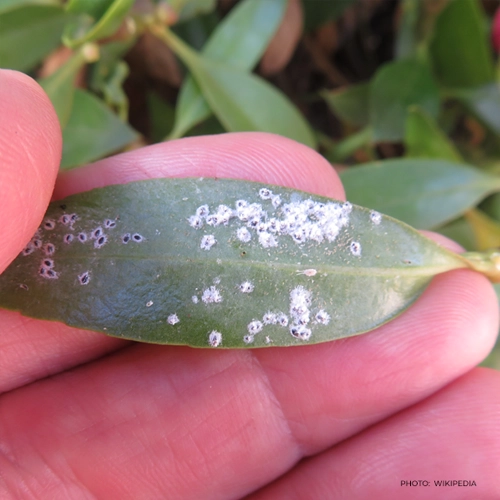
Aphids and whitefly: These sap-sucking insects are often found on new growth. They weaken plants, cause distorted leaves or flowers, and can spread viruses. Inspect plants regularly and remove infestations early.

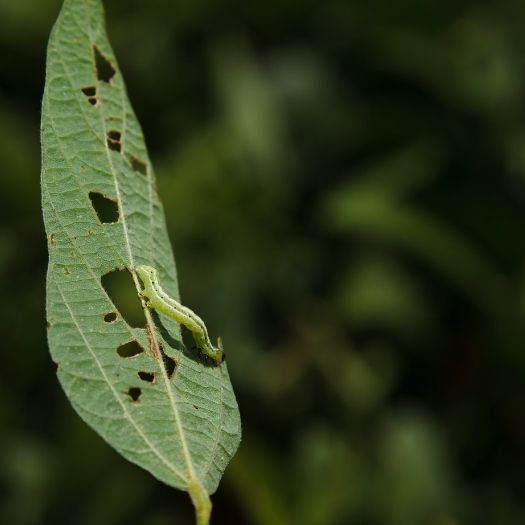
Caterpillars: Many caterpillars feed on vegetables and ornamentals, quickly stripping leaves. Check plants frequently and remove by hand, or use approved control methods early to prevent severe damage.

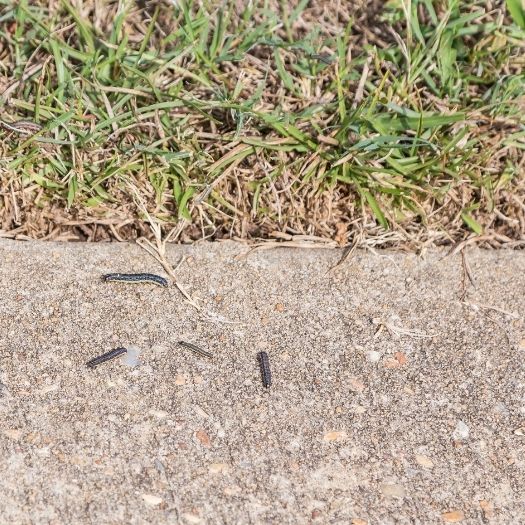
Lawn caterpillars (armyworms): Sudden brown patches appearing in lawns during summer may be caused by these nocturnal feeders. Early detection and treatment can prevent extensive damage to your turf.

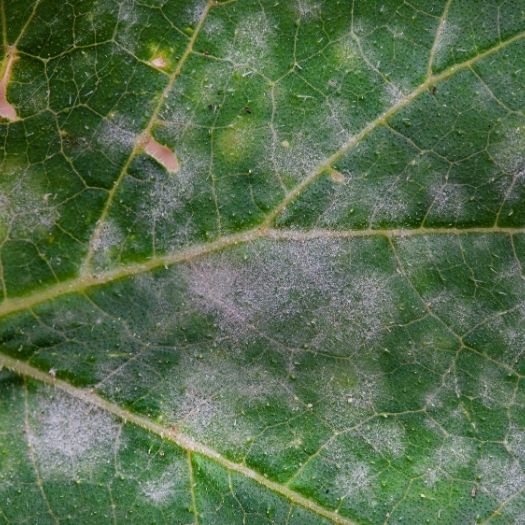
Powdery mildew: A fungal disease appearing as a white powdery coating on leaves, commonly on cucurbits, roses, and some ornamentals. Ensure good airflow and avoid overhead watering to reduce outbreaks.

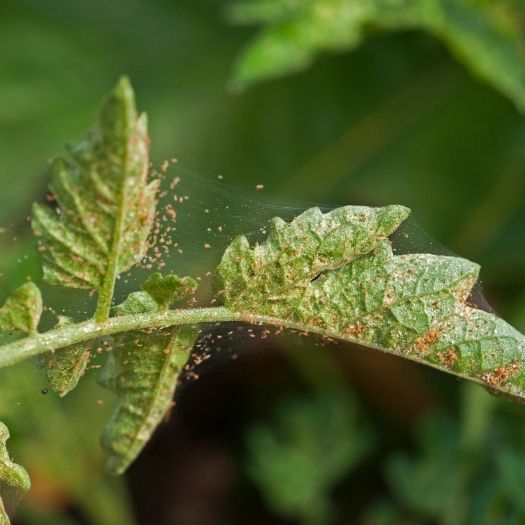
Red spider mites: Tiny pests that thrive in hot, dry conditions. Leaves may appear speckled or dusty, and heavily infested plants can become stressed or drop leaves. Increasing humidity and encouraging natural predators can help control them.

Rapid weed growth: Warm weather and summer rains encourage weeds to grow quickly. Remove them early before they compete with garden plants for nutrients, water, and light.

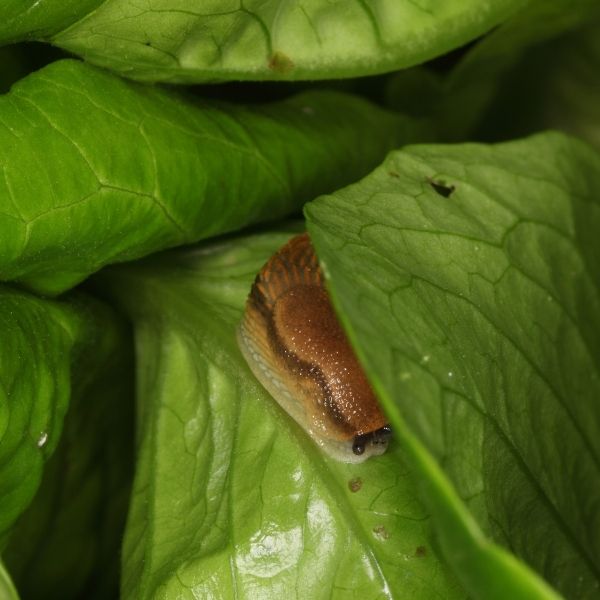
Snails and slugs: Warm, damp summer conditions create ideal breeding for these pests. They feed on seedlings, tender leaves, and flowers, often at night, leaving irregular holes. Hand-picking or creating traps helps protect plants.

Thrips: Tiny, slender insects feeding on flowers and leaves, causing silvery streaks, deformed blooms, and weakened growth. Regular inspection and removal of affected parts can reduce damage.


BRIAN
BLACKWOOD’S
PIETERMARITZBURG

Gardening Tip from the Blackwood’s Team:

In the heat of January, healthy soil is your garden’s best protection.

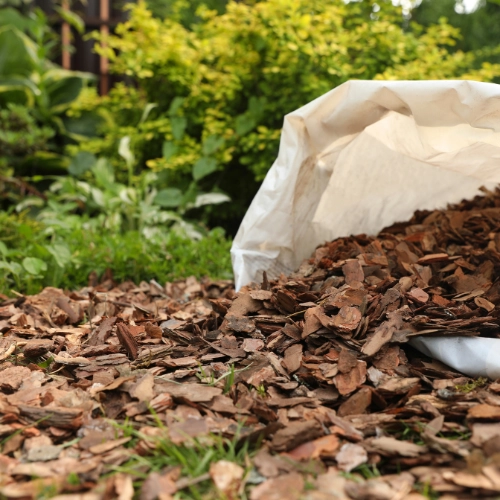
Apply a generous layer of organic mulch around your plants to keep the soil cool and moist. Mulch reduces water evaporation, improves soil structure and helps protect plant roots from extreme temperatures. Even a simple layer of compost, bark chips or dry leaves can make a big difference during the hottest weeks of summer.

DISCLAIMER:  The information presented on this website is intended solely as a general guide. We neither endorse specific plant varieties over others nor claim expertise in stock performance. All information is believed to be accurate, based on private inquiries and experiences, and is provided in good faith. Blackwood’s, including its employees, disclaims any responsibility for harm, loss, cost, or damage arising from the use or reliance upon any information on this website, especially if any part of the information proves to be inaccurate or incomplete. Please note that the displayed photos are not representative of current stock but are used for illustrative purposes only.