How to grow Vegetables

How to Grow

Vegetables

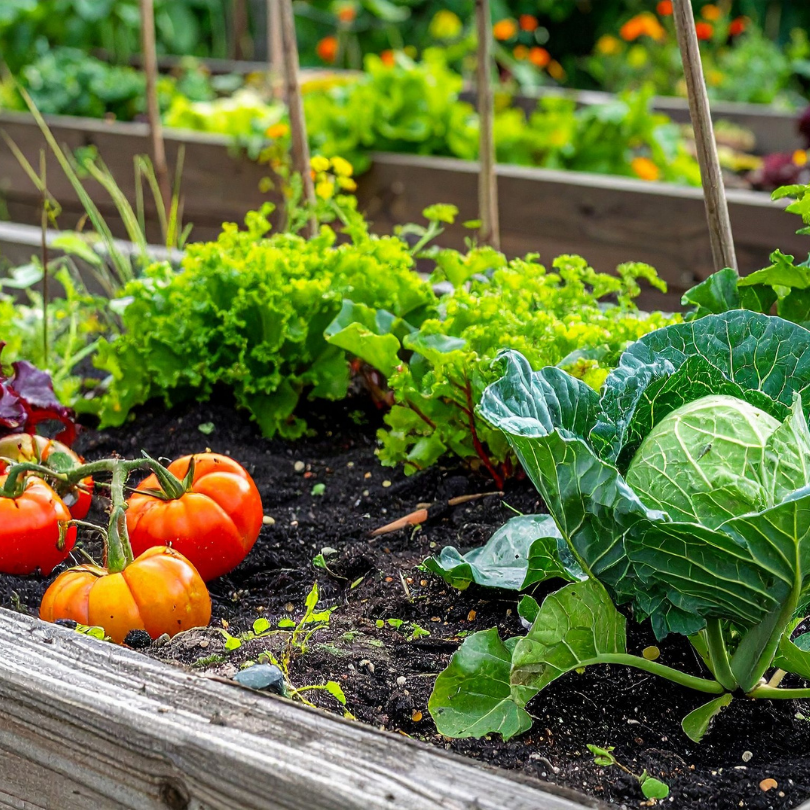
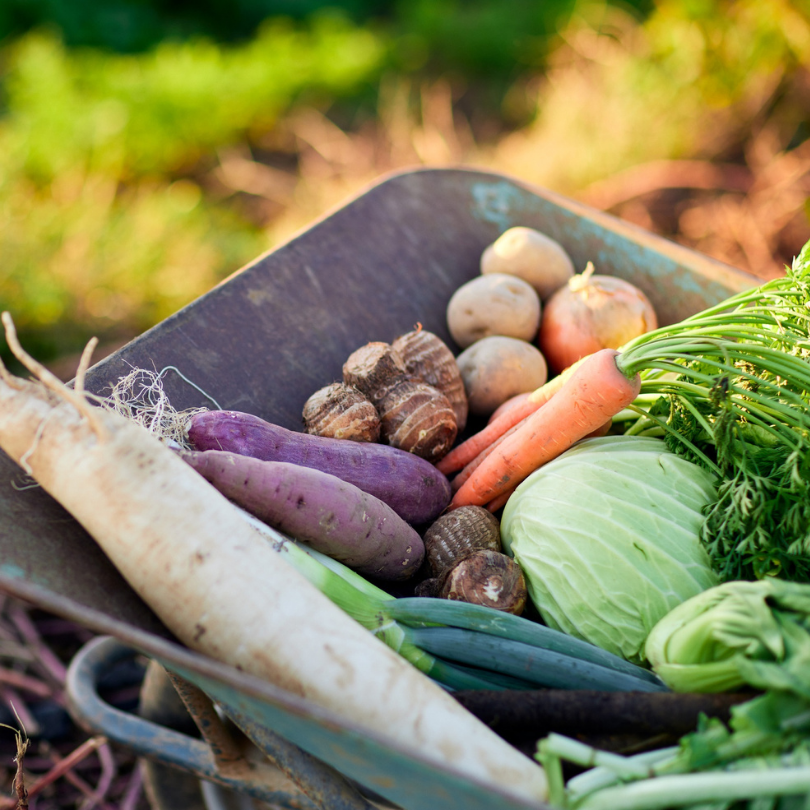
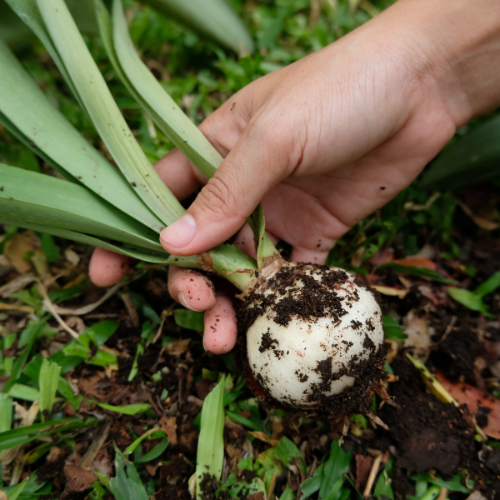
Growing your own vegetables is standard practice for many gardeners. The value of nutritious vegetables and herbs from the home garden is being appreciated more and more these days. Planting vegetables from seed or using ready grown seedlings from the nursery is easy to accomplish. Regular seasonal plantings need to be carried out on a monthly basis to ensure a continuous supply of fresh produce. Be aware of the seasonal aspect of growing vegetables. Some are winter and spring crops, whilst others only grow during the warm summer and autumn weather. Plant the correct plants for each and every growing season.

In KwaZulu Natal, the planting seasons differ significantly according to climatic conditions that vary from warm sub-tropical to cool temperate. Please be aware of these circumstances.
Get the Grow How

Planting Procedures

Fertilising and Care

Pests and Diseases

Garden Uses

The Basics
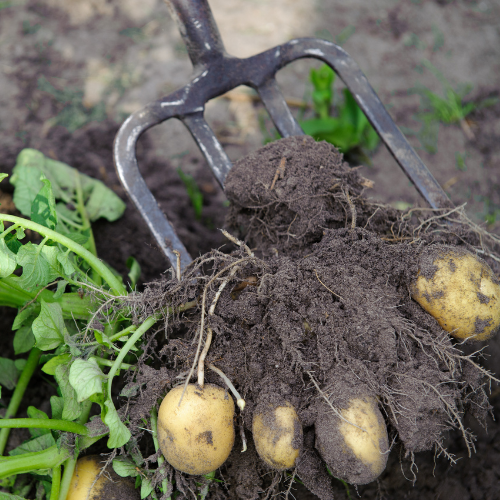
  • Prepare the soil by digging over deeply with garden fork
  • Add 2:3:2 fertiliser and compost or kraal manure at recommended rates
  • Areas with acidic soils should add agricultural lime as well
  • Dig into soil and mix thoroughly
  • Rake soil to correct level in the form of a raised bed
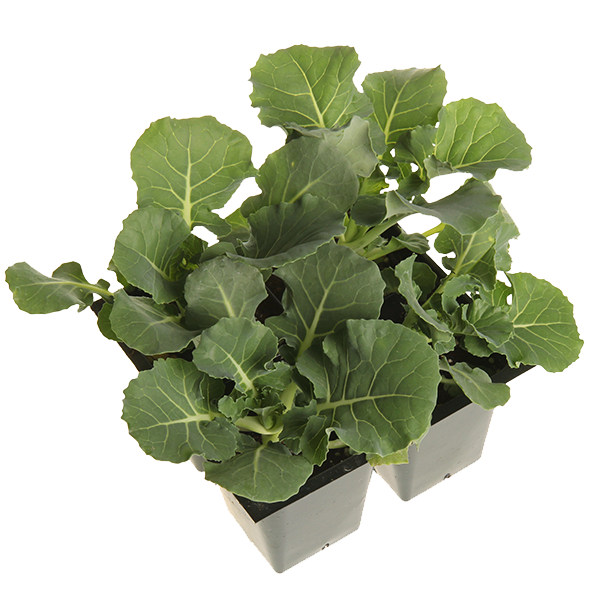
  • Gently remove vegetable seedlings from tray or punnet
  • Carefully untangle some of the matted roots
  • Dig a small hole with a trowel and place the seedling in it
  • Fill in around the root ball and firm soil down gently
  • Make sure the plant is buried at the same level as it was growing in the tray
  • Space seedlings at the recommended planting distance
  • Once planting is complete water well to settle in
Keep them Happy
  • After planting spread a layer of mulch around the seedlings to reduce water needs
  • Regular monthly feeding with a side dressing of 2:3:4 granular fertiliser at the recommended rate will ensure healthy plants and high yields
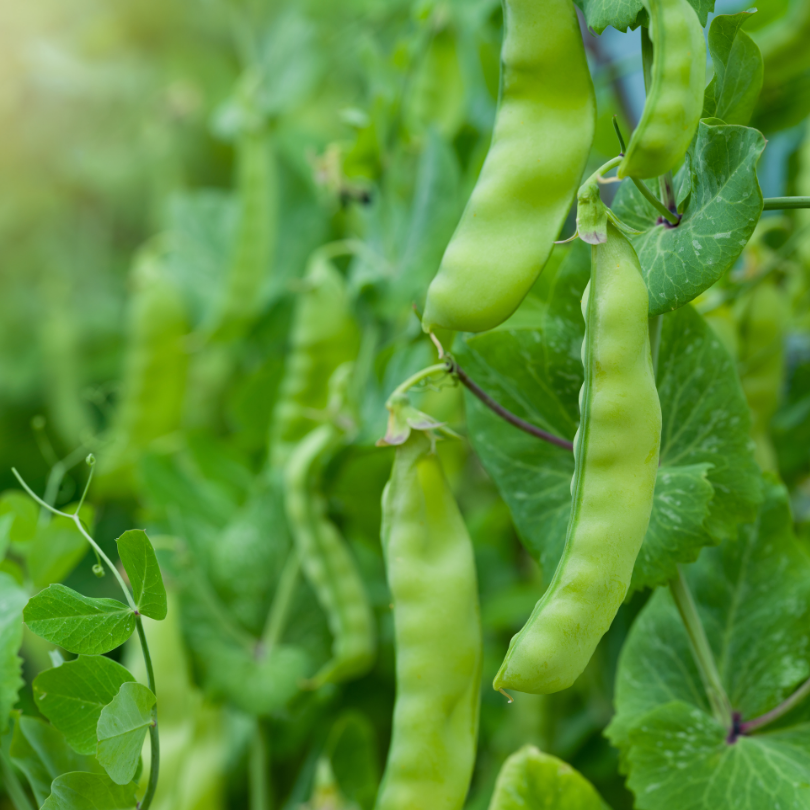
  • Stake young plants of climbing crops like peas and beans
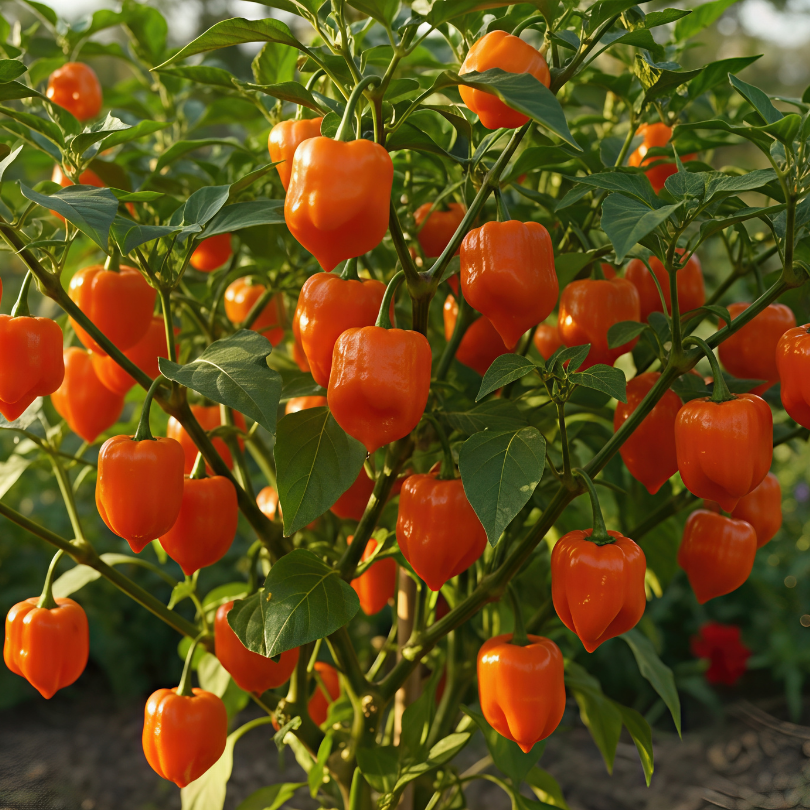
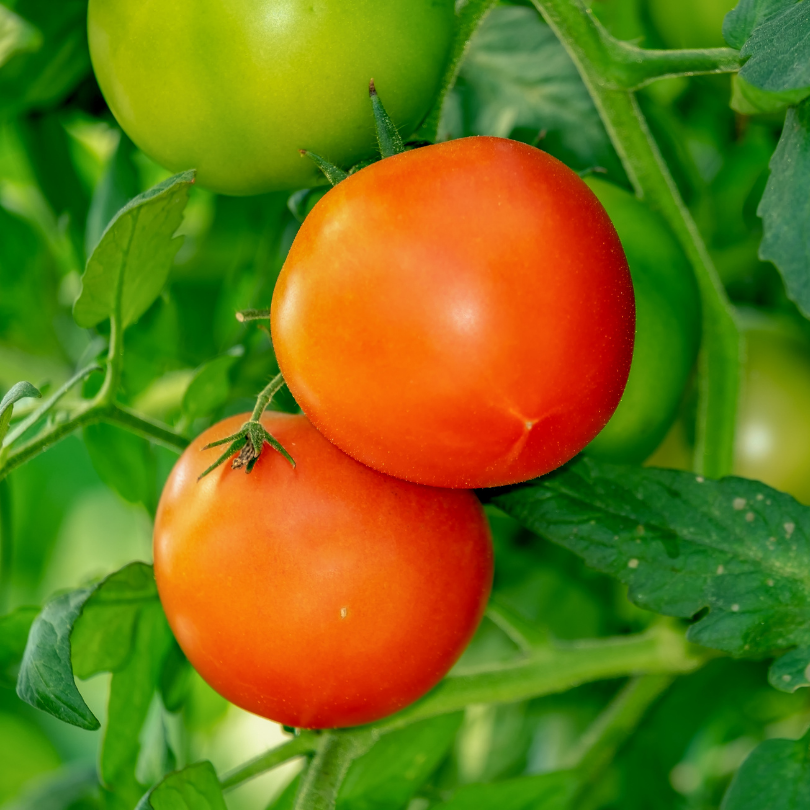
  • Tomatoes and peppers also benefit from some means of support
  • Pull out or dig in any weed growth that starts to compete with the vegetables
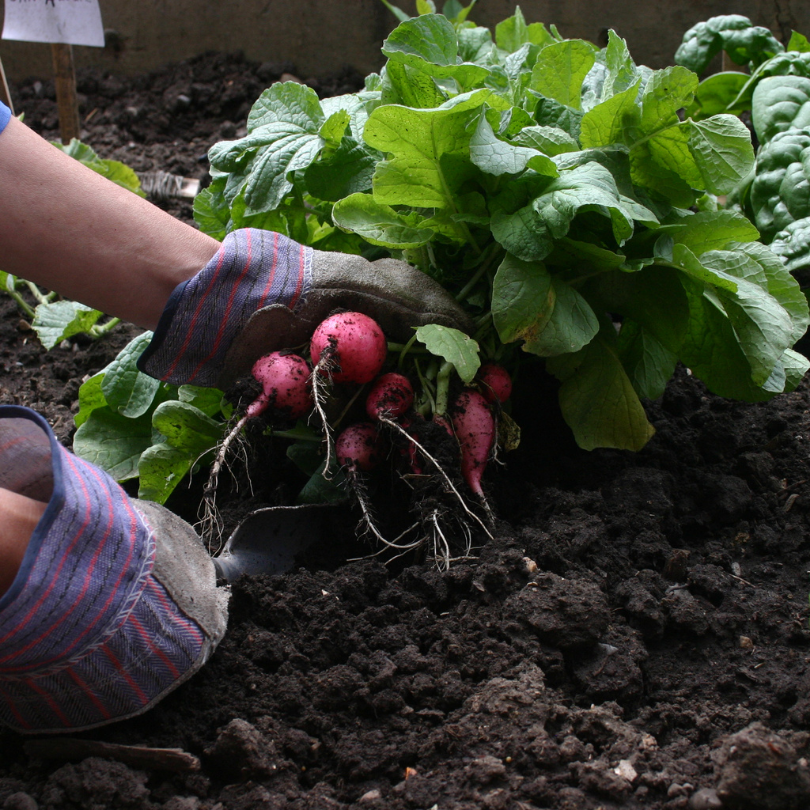
  • Check plants regularly for ripe vegetables ready for harvesting
  • Remove spent plants at the end of the season
Good to Know
  • Aphids gather on the soft new growth tips and suck the sap out of the plant – control with general purpose insecticide suitable for use on edible crops
  • Caterpillars, beetles and grasshoppers chew the leaves – remove by hand or spray with insecticide for chewing insects
  • Fungal diseases like mildew and rust on the leaves – spray with broad spectrum fungicide
  • Cutworms chew seedlings off at ground level – apply cutworm bait immediately after planting or drench newly planted seedlings with general purpose insecticide
  • Snails and slugs are nocturnal pests that eat the lush young leaves – apply snail bait at regular intervals
  • WARNING –check the safety period from last application to harvest for every pesticide used on edible plants and adhere to it for health and safety reasons
  • Best cultivated in in vegetable gardens or vegetable beds
  • Some vegetables and herbs can be integrated into the ornamental flower garden
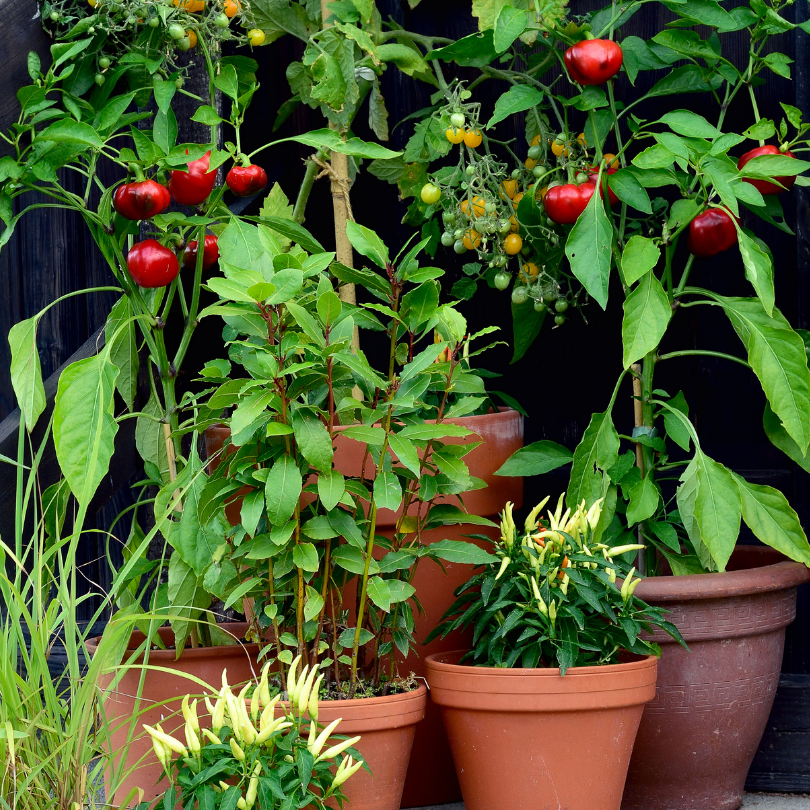
  • Grow in pots or containers where space is limited
  • Protective structures need to be used in cold climates for many crops during the winter
  • Wire or hale netting covered structures prevent bird and monkey damage

Shopping List

  1. Tools for preparing the soil and planting
  2. Compost or kraal manure to dig into the soil
  3. Fertiliser to promote root growth (superphosphate or bone meal)
  4. Agricultural lime for acid soils
  5. Pots and containers where necessary
  6. Potting mix when required
  7. Watering can or hosepipe
  8. Snail bait
  9. Cutworm bait

DISCLAIMER: 
 The information presented on this website is intended solely as a general guide. We neither endorse specific plant varieties over others nor claim expertise in stock performance. All information is believed to be accurate, based on private inquiries and experiences, and is provided in good faith. Blackwood’s, including its employees, disclaims any responsibility for harm, loss, cost, or damage arising from the use or reliance upon any information on this website, especially if any part of the information proves to be inaccurate or incomplete. Please note that the displayed photos are not representative of current stock but are used for illustrative purposes only.