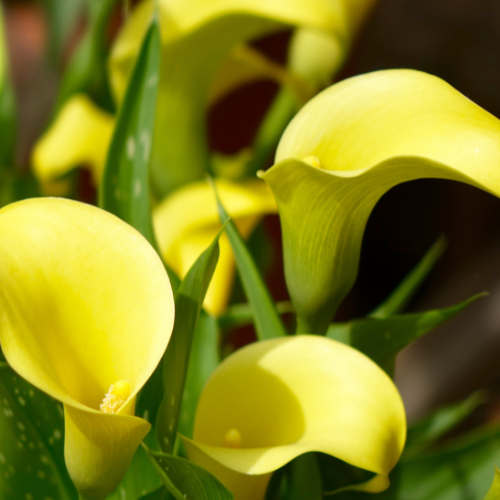
Zantedeschia

Zantedeschia (Arum Lily)

A refined flowering plant admired for its elegant, sculptural blooms and glossy foliage

Thrives in Bright,
Indirect Light

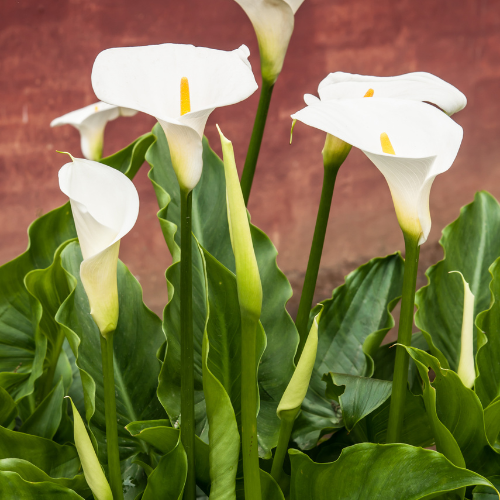
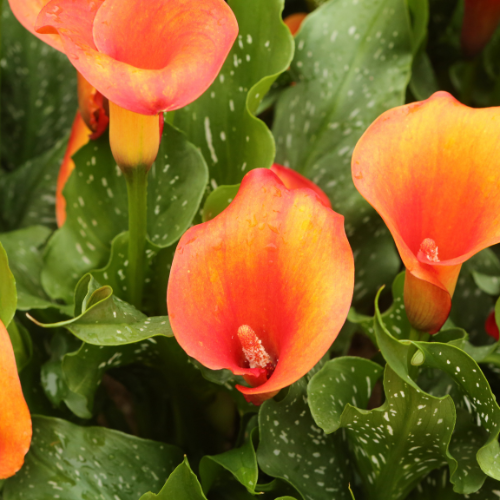
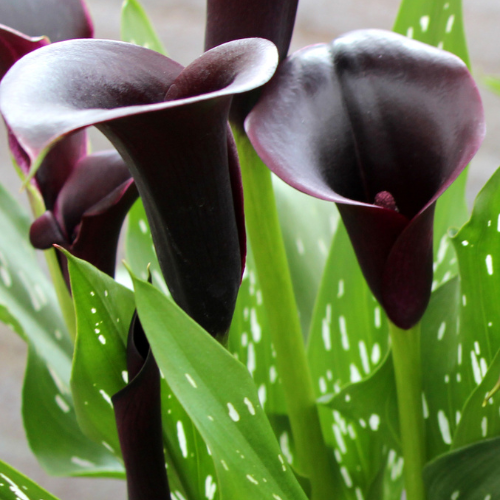
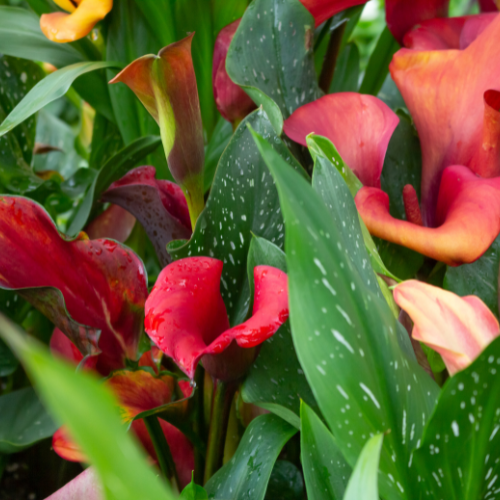
Zantedeschias are adorned with dark green foliage and long-lasting blooms.  Their majestic, elegant flowers are unmistakable and unique and make beautiful long-lasting cut flowers for the vase. They are available in a variety of rich, bold colours.  
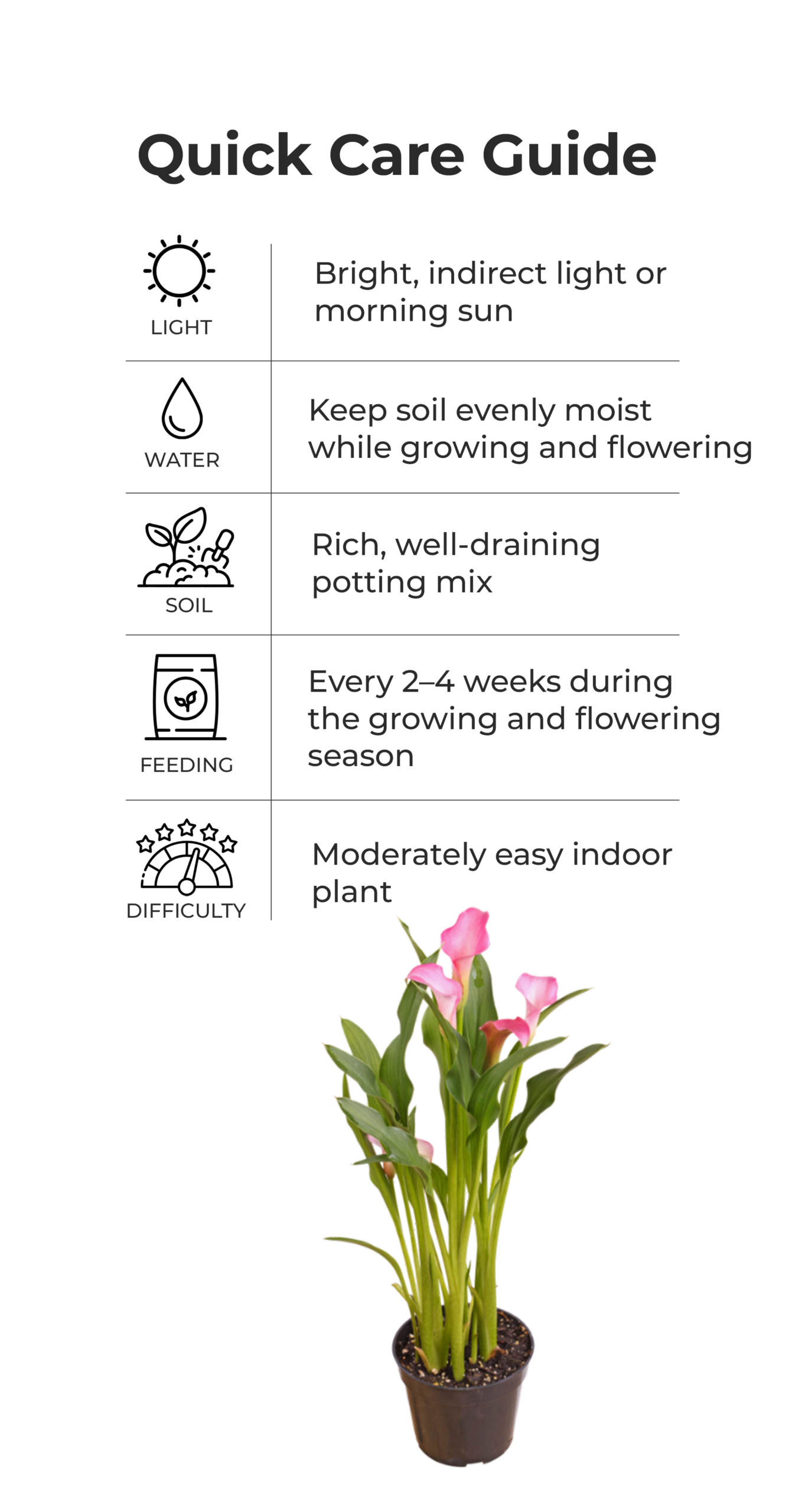
GUIDANCE FOR SUCCESSFUL INDOOR GROWING

Zantedeschia Growing & Care Guide

FAQ

Why are the leaves of my Arum Lily turning yellow?

Yellow leaves can occur when the plant is entering its natural resting period after flowering. Reduce watering and allow the plant to rest until new growth appears.

Why is my Arum Lily not flowering?

Insufficient light or lack of feeding during the growing season can reduce flowering. Move the plant to a brighter position and feed regularly while it is actively growing.

Do Arum Lilies need a resting period?

Yes. After flowering, many Zantedeschia plants naturally go dormant. Allow the foliage to die back and reduce watering until new growth appears.

Where do Arum Lilies Work Best Indoors?

Bright windowsills, dining room tables while in flower, kitchen counters with natural light, living room side tables, sunrooms or enclosed patios, bright entrance halls.

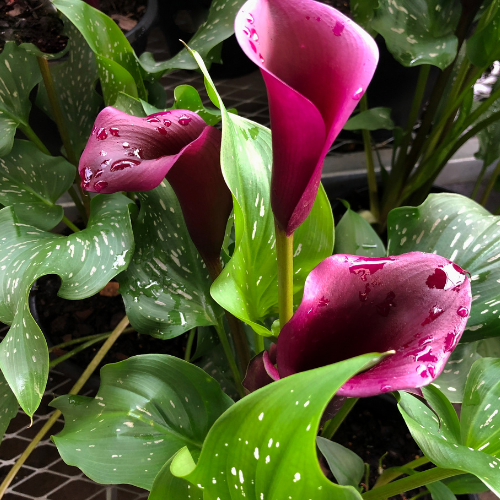
Light

Potted zantedeschias require ample amounts of light for optimal growth and timely blooming. Make sure that you keep the potted plant on a bright windowsill where it receives natural light throughout the day.  (Avoid direct sunlight, especially during the peak parts of the day). 

WATER

Zantedeschias prefer moist conditions and require plenty of water during their growth and flowering phases. Keep the soil moist, but never allow water to sit in the container.  Too much water will cause the bulb to rot.  Water to root level at least twice a week.

SOIL

Soil should be well-drained, preferably on the sandy side, with plenty of compost added.  Adding a layer of mulch to the surface of the soil will help to keep the tubers cool, and help retain moisture.

FERTILISER

During the flowering period, zantedeschias should be fertilised with bulb food approximately every two weeks. 

REPOTTING

After a couple of years, potted zantedeschias tends to become too heavy for their original pot. They can easily be repotted. Simply loosen the soil along the boundary of the pot and gently lift the plant without injuring the roots. Place the plant into its new, larger pot and refill it with fertile potting medium. Water it regularly.

COMMON ISSUES

  • Wilting or drooping: May be underwatered.  Check soil moisture and water gently.
  • Yellowing foliage: Too much water .  Allow the top soil to dry slightly.
  • Poor flowering: Not enough light.  Try a brighter indirect light spot.

SPECIAL NOTES

Zantedeschia blooms are elegant and long-lasting, making them a favourite for indoor colour. After flowering, the plant may go into a resting phase. Reducing water helps it reset before the next growing cycle. Regularly remove spent flowers to encourage renewed growth and keep the plant tidy.

 
DISCLAIMER:  (Note: The information provided in this article is based on general guidelines for cultivating Zantedeschia. Individual plant care may vary, so always observe your plant’s specific needs and adjust your care accordingly.)
The information presented on this website is intended solely as a general guide. We neither endorse specific plant varieties over others nor claim expertise in stock performance. All information is believed to be accurate, based on private inquiries and experiences, and is provided in good faith. Blackwood’s, including its employees, disclaims any responsibility for harm, loss, cost, or damage arising from the use or reliance upon any information on this website, especially if any part of the information proves to be inaccurate or incomplete. Please note that the displayed photos are not representative of current stock but are used for illustrative purposes only.